

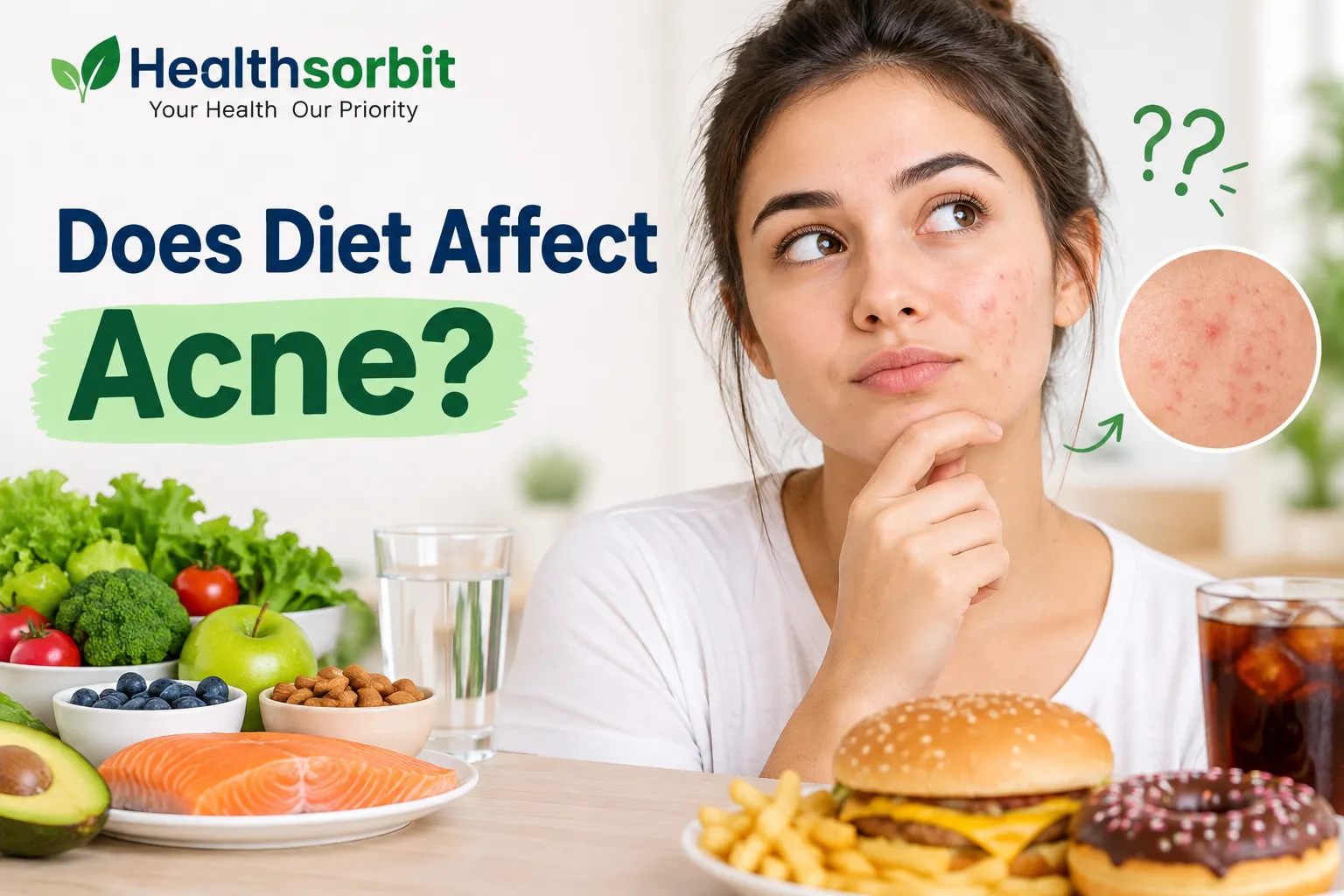
For decades, the relationship between diet and acne was dismissed by much of the medical community as myth. Today, a growing body of research suggests that what we eat may indeed play a role in breakouts for some people, even if it isn’t the sole cause. This article examines what the science actually says about diet and acne, which foods are most frequently linked to flare-ups, and how to approach dietary changes as part of a broader skincare strategy.
Understanding Acne First
Acne develops when hair follicles become clogged with excess oil (sebum) and dead skin cells, creating an environment where acne-causing bacteria can thrive and trigger inflammation. Several factors contribute to this process, including:
- Hormonal fluctuations
- Excess sebum production
- Clogged pores
- Bacterial activity
- Inflammation
- Genetics
Diet is not considered a direct or sole cause of acne, but research increasingly suggests it can influence several of these underlying factors, particularly hormone levels, inflammation, and oil production.
What Does the Research Say?
1. High-Glycemic Foods
Foods that cause rapid spikes in blood sugar — such as white bread, sugary snacks, and processed cereals — may contribute to acne by triggering insulin spikes. Elevated insulin levels can, in turn, increase androgen hormone activity and oil production, both of which are linked to breakouts. Several clinical studies have found that individuals following lower-glycemic diets experienced measurable improvements in acne severity compared to those on higher-glycemic diets.
2. Dairy Products
Some research has pointed to a potential link between dairy consumption — particularly skim milk — and acne, possibly due to hormones naturally present in milk or its effect on insulin-like growth factor (IGF-1), a hormone associated with increased oil production. The evidence here is mixed, and not everyone who consumes dairy will experience breakouts, but it remains one of the most frequently studied dietary connections to acne.
3. Refined Carbohydrates and Sugar
Similar to high-glycemic foods, diets heavy in refined carbohydrates and added sugars have been associated with increased inflammation in the body, which may worsen existing acne or contribute to new breakouts.
4. Whey Protein Supplements
Some studies and dermatological observations have noted a connection between whey protein supplementation — common among athletes and gym-goers — and acne flare-ups, potentially due to its effect on hormone levels and insulin response.
5. Fast Food and Processed Diets
Diets high in processed and fast food have been associated in some studies with a higher prevalence of acne, though it’s difficult to isolate whether this is due to specific ingredients, overall dietary pattern, or other lifestyle factors.
Foods That May Support Clearer Skin
While no single food will “cure” acne, certain dietary patterns are associated with lower inflammation and may support overall skin health:
- Low-glycemic foods – whole grains, legumes, and non-starchy vegetables, which help avoid rapid blood sugar spikes
- Omega-3 rich foods – fatty fish, walnuts, and flaxseeds, which have anti-inflammatory properties
- Antioxidant-rich fruits and vegetables – berries, leafy greens, and colorful produce that help combat oxidative stress
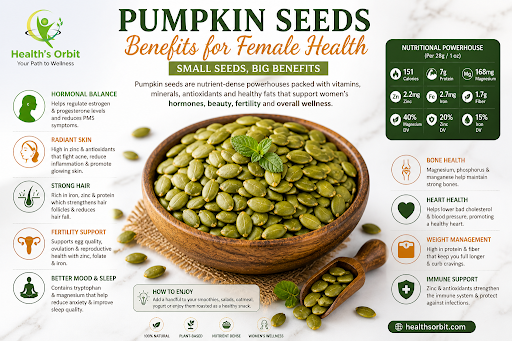
- Zinc-containing foods – pumpkin seeds, legumes, and lean meats, as zinc has been studied for its role in regulating oil production and inflammation
- Probiotic-rich foods – yogurt (for those who tolerate dairy), fermented vegetables, and kefir, which may support gut health that some research links to skin health
Is There a “Best” Anti-Acne Diet?
There isn’t a single universally proven anti-acne diet, since triggers can vary significantly from person to person. However, general dietary patterns often recommended for supporting clearer skin include:
- Prioritizing whole, minimally processed foods
- Reducing intake of refined sugar and high-glycemic carbohydrates
- Moderating dairy intake if a personal connection to breakouts is noticed
- Staying well-hydrated
- Including anti-inflammatory foods like fatty fish and colorful vegetables
How to Identify Your Personal Triggers
Because individual responses to food vary widely, keeping a simple food and skin journal can help identify patterns. Consider:
- Tracking meals and any new breakouts over several weeks
- Noting the timing between eating a suspected trigger food and any flare-up (breakouts often take a few days to appear)
- Trying an elimination approach — removing one suspected food group at a time for a few weeks and monitoring changes
- Reintroducing foods gradually rather than making several changes simultaneously, which makes it easier to isolate the actual trigger
Diet Is Only One Piece of the Puzzle
It’s important to keep expectations realistic. Even with meaningful dietary adjustments, most people with acne will still benefit from — or require — a consistent topical skincare routine, and in some cases, professional treatment. Diet may help reduce frequency or severity of breakouts for some individuals, but it is rarely a complete standalone solution.
When to See a Dermatologist
If acne persists despite dietary and skincare efforts, or if it’s severe, cystic, or leaving scarring, it’s worth consulting a dermatologist. They can help determine whether hormonal factors, underlying conditions, or prescription-strength treatments are needed, and can offer guidance tailored to your specific skin and health history.
Final Thoughts
While diet is not the sole cause of acne, a growing body of evidence suggests that certain eating patterns — particularly high-glycemic foods, dairy, and heavily processed diets — may contribute to breakouts for some individuals. Shifting toward a lower-glycemic, anti-inflammatory diet rich in whole foods may offer modest benefits for skin clarity, though results vary from person to person. Combining thoughtful dietary choices with a consistent skincare routine, and consulting a dermatologist when needed, offers the most balanced approach to managing acne.
Frequently Asked Questions
1. Can cutting out sugar clear up acne completely?
Not necessarily on its own, but reducing sugar and high-glycemic foods may help lower insulin spikes linked to increased oil production, potentially reducing the frequency or severity of breakouts for some people.
2. Does chocolate cause acne?
Chocolate itself hasn’t been strongly linked to acne in most studies; however, chocolate products high in sugar and dairy may indirectly contribute if those ingredients are personal triggers.
3. Is dairy definitely linked to acne?
The evidence is mixed. Some studies suggest a connection, particularly with skim milk, but not everyone who consumes dairy experiences breakouts, and individual responses vary.
4. How long does it take to see skin improvements after changing my diet?
Since skin cell turnover and healing take time, most people need to maintain dietary changes for at least four to eight weeks before evaluating whether it’s made a difference.
5. Are there specific vitamins that help with acne?
Nutrients like zinc, vitamin A, and omega-3 fatty acids have been studied for their potential role in supporting skin health and reducing inflammation, though they work best as part of a balanced diet rather than in isolation.
6. Can drinking more water improve acne?
While proper hydration supports overall skin health, there’s limited direct evidence that water intake alone significantly reduces acne.
7. Should I stop eating dairy if I have acne?
It may be worth trying an elimination period to see if your skin improves, but this should be a personal experiment rather than a universal rule, since not everyone reacts to dairy the same way.
8. Is a low-carb diet good for acne?
Diets lower in refined carbohydrates and high-glycemic foods have shown some promise in research for reducing acne severity, likely due to their effect on insulin and inflammation levels.
9. Can stress-related eating habits worsen acne?
Indirectly, yes — stress can lead to poor dietary choices and hormonal changes, both of which may contribute to breakouts in some individuals.
10. Should I rely on diet alone to treat acne?
No. Diet may support clearer skin for some people, but a consistent skincare routine and, when necessary, professional treatment are typically still needed for effective acne management.