


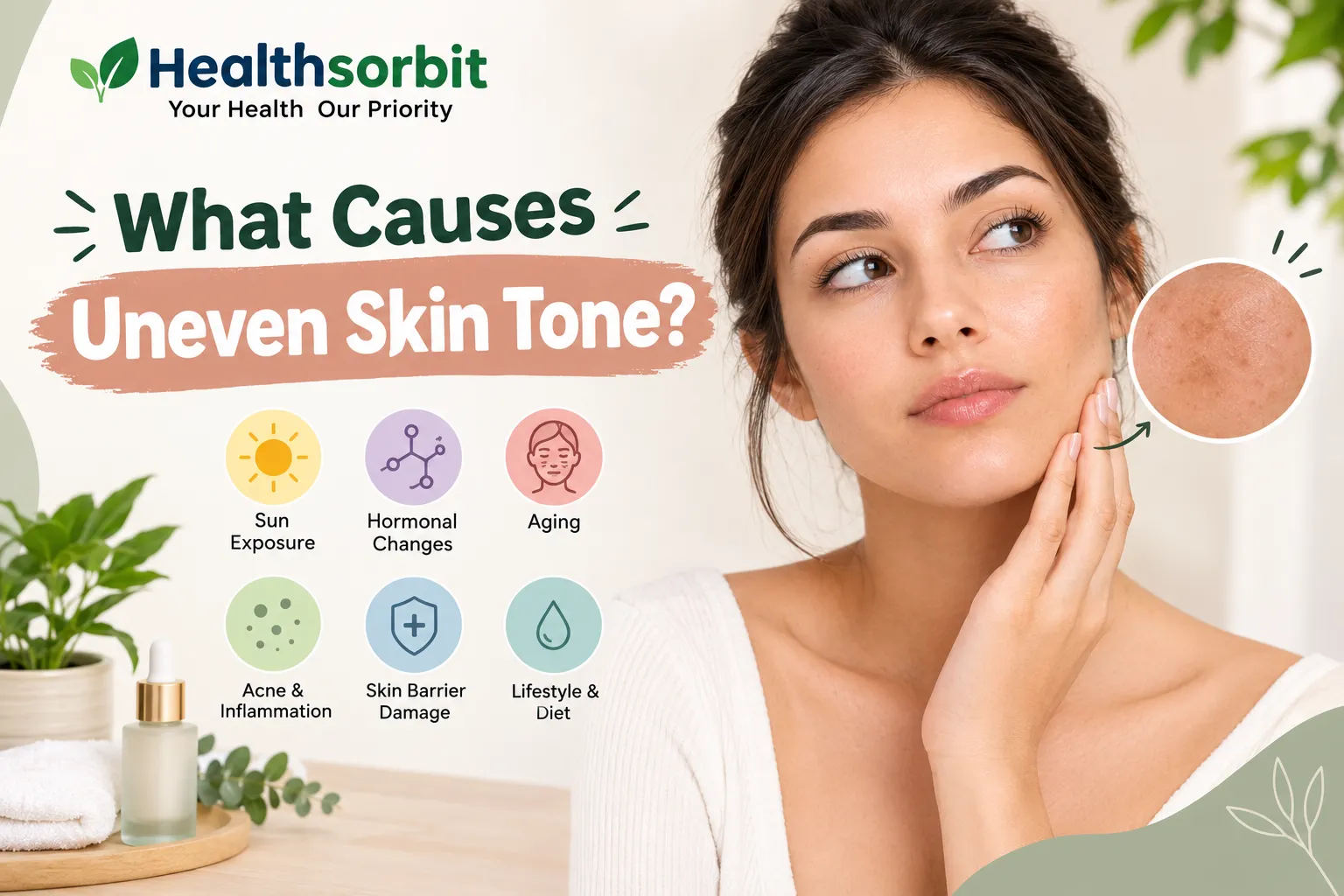
An even, uniform complexion is something most people strive for, yet uneven skin tone is one of the most common skin concerns across all ages and skin types. It can show up as patches of discoloration, redness, dullness, or areas that appear darker or lighter than the surrounding skin. Understanding the root causes is the first step toward addressing it effectively. This article walks through the most common triggers of uneven skin tone, how to identify what might be affecting your skin, and practical ways to help restore a more balanced complexion.
What Does “Uneven Skin Tone” Actually Mean?
Uneven skin tone refers to any noticeable variation in color across the face or body, rather than a single uniform shade. This can include:
- Brown or dark patches (hyperpigmentation)
- Red or pink blotches (often linked to inflammation or broken capillaries)
- Sallow or dull-looking areas
- Patches that appear lighter than surrounding skin (hypopigmentation)
Unlike a specific condition, uneven skin tone is more of an umbrella term that can result from several different underlying causes, sometimes overlapping.
Common Causes of Uneven Skin Tone
1. Sun Exposure
Ultraviolet (UV) rays are one of the leading contributors to uneven pigmentation. Repeated sun exposure triggers the skin to produce excess melanin as a protective response, which can lead to sunspots, freckles, and overall blotchiness, particularly on areas frequently exposed to sunlight such as the face, neck, and hands.
2. Post-Inflammatory Hyperpigmentation (PIH)
When skin experiences trauma — from acne breakouts, cuts, burns, or even aggressive skincare treatments — it can respond by producing extra pigment in the healing area, leaving behind a mark that lingers well after the original injury has resolved.
3. Hormonal Changes
Fluctuations in hormones, such as those occurring during pregnancy, while taking birth control, or due to certain medical conditions, can trigger melasma — a form of pigmentation that typically appears as symmetrical brownish patches on the face.
4. Aging
As skin ages, melanin production can become less evenly distributed, and cell turnover naturally slows down. This often results in age spots and a generally more uneven-looking complexion over time.
5. Acne and Breakouts
Beyond the pigmentation left behind after a blemish heals, active acne itself can cause redness and inflammation that temporarily disrupts the skin’s overall tone.
6. Dryness and Dehydration
Skin lacking adequate moisture can appear dull, flaky, and uneven in texture and tone, as a compromised skin barrier struggles to reflect light evenly.
7. Environmental Pollution
Exposure to pollutants and environmental toxins has been linked to oxidative stress in the skin, which can contribute to dullness and worsen existing pigmentation issues over time.
8. Genetics
Some people are simply more genetically prone to pigmentation irregularities or conditions like melasma, particularly those with medium to deeper skin tones, which tend to produce more melanin in response to triggers.
9. Skin Conditions
Certain underlying skin conditions, such as rosacea, eczema, or vitiligo, can directly cause visible unevenness in skin tone, whether through redness, inflammation, or loss of pigment in specific areas.
10. Poor Skincare Habits
Using harsh or irritating products, skipping sunscreen, or over-exfoliating can damage the skin barrier and trigger inflammation, which in turn can lead to new patches of discoloration or make existing ones worse.
How to Address Uneven Skin Tone
While the right approach depends on the underlying cause, several general strategies can help improve overall skin tone:
Daily Sun Protection
Since UV exposure is one of the biggest drivers of pigmentation, wearing a broad-spectrum sunscreen every day — rain or shine — is one of the most effective preventive measures available.
Gentle Exfoliation
Regular, gentle exfoliation (physical or chemical) helps remove dead skin cells and supports more even cell turnover, gradually revealing fresher, more uniform-looking skin underneath.
Brightening Ingredients
Ingredients such as vitamin C, niacinamide, and licorice extract can help target excess pigment production and support a more even complexion over time when used consistently.
Treating Acne Early
Addressing breakouts promptly and avoiding picking at blemishes can reduce the likelihood of post-inflammatory marks forming in the first place.
Barrier-Supporting Skincare
Using hydrating, barrier-friendly products helps keep skin healthy and less reactive, reducing the chances of inflammation-triggered discoloration.
Professional Treatments
For more persistent or severe cases, dermatologists may recommend treatments such as chemical peels, laser therapy, microneedling, or prescription-strength brightening agents to accelerate improvement.
When to See a Dermatologist
While mild unevenness often responds well to consistent skincare and sun protection, it’s worth seeking professional advice if:
- The discoloration is widespread, deep, or doesn’t improve with home care
- You notice a mole or spot changing in size, shape, or color
- You suspect an underlying condition like melasma, rosacea, or vitiligo
- You want faster or more targeted results than over-the-counter products can provide
A dermatologist can help pinpoint the exact cause of your skin tone concerns and recommend a treatment plan suited to your specific skin type and needs.
Final Thoughts
Uneven skin tone can stem from a wide range of causes, including sun damage, hormonal shifts, acne, aging, and environmental stressors, often overlapping in ways that make it feel harder to pinpoint. The good news is that with consistent sun protection, gentle exfoliation, targeted brightening ingredients, and a supportive skincare routine, most people can see meaningful improvement over time. For deeper or more persistent concerns, a dermatologist can offer more advanced solutions tailored to your skin.
Frequently Asked Questions
1. What is the most common cause of uneven skin tone?
Sun exposure is widely considered one of the leading causes, as UV rays trigger excess melanin production, leading to spots and blotchy discoloration over time.
2. Can uneven skin tone be fully corrected?
In many cases, significant improvement is possible with consistent care, though some causes — like genetic predisposition or certain skin conditions — may require ongoing management rather than a permanent fix.
3. How long does it take to see improvement in skin tone?
Depending on the cause and treatment approach, visible improvement can take anywhere from a few weeks to several months of consistent effort.
4. Does diet affect skin tone evenness?
While diet alone won’t resolve pigmentation issues, a balanced diet rich in antioxidants can support overall skin health and may help reduce inflammation that contributes to unevenness.
5. Is uneven skin tone the same as hyperpigmentation?
Not exactly — hyperpigmentation is one specific cause of uneven skin tone, but the term “uneven skin tone” also covers redness, dullness, and lighter patches, among other variations.
6. Can stress cause uneven skin tone?
Chronic stress can contribute to inflammation and hormonal fluctuations, both of which may indirectly worsen skin tone irregularities in some individuals.
7. Do I need to see a dermatologist for uneven skin tone?
Not always — mild cases often respond to consistent skincare and sun protection. However, persistent, severe, or changing discoloration warrants a professional evaluation.
8. Can makeup make uneven skin tone worse?
Using harsh or comedogenic makeup products, or not properly removing makeup, can contribute to irritation and breakouts, which may indirectly worsen skin tone over time.
9. Are natural remedies effective for uneven skin tone?
Some natural ingredients, like vitamin C and niacinamide (which can also be derived naturally), may offer mild brightening benefits, though results are generally slower and less pronounced than clinical treatments.
10. Can sunscreen alone fix uneven skin tone?
Sunscreen won’t reverse existing discoloration on its own, but it is essential for preventing further damage and allowing other treatments to work more effectively over time.