

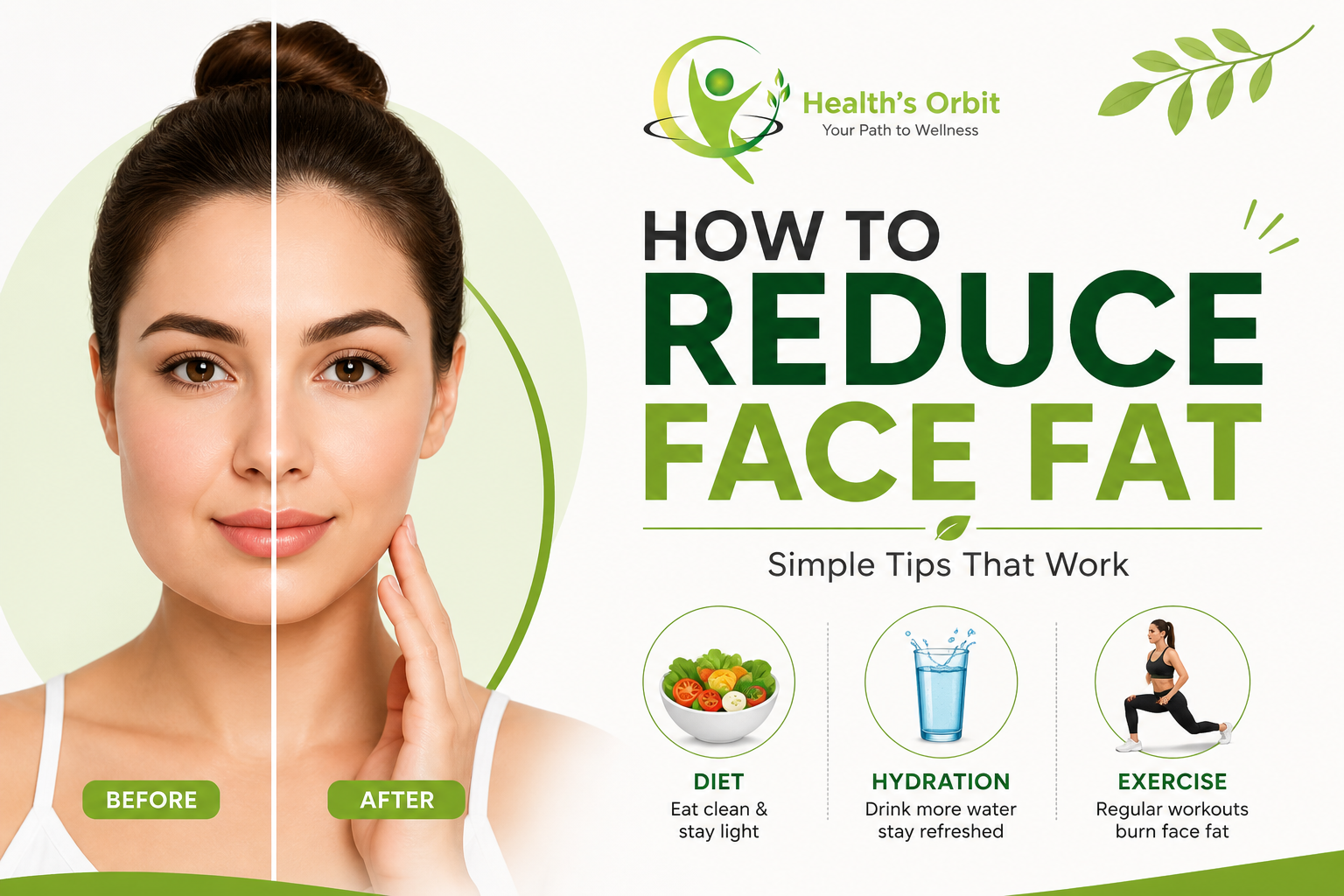
If you’ve been wondering how to reduce face fat, you’re not alone. Many people notice puffiness or fullness in their face and want to know what they can actually do about it. The good news is that with the right habits and a little patience, a slimmer, more defined face is absolutely achievable.
Face fat can be frustrating, especially when you feel like you’re doing everything right but your face still looks rounder than you’d like. Before diving into solutions, it’s important to understand why facial fat accumulates in the first place. Fat in the face is rarely isolated; it usually reflects overall body fat levels, lifestyle habits, or temporary factors like water retention. Addressing the root causes is the most effective and lasting approach.
What Causes Face Fat?
Face fat develops for several reasons, and understanding these causes helps you take the right steps. The most common cause is general weight gain. When your body stores excess fat, the face is one of the places it shows up clearly. However, even people at a healthy weight can experience facial puffiness due to poor diet, dehydration, or hormonal fluctuations.
Water retention is another significant contributor. Consuming too much sodium causes your body to hold onto water, which leads to a bloated, swollen appearance in the face. Similarly, alcohol consumption and lack of sleep both promote fluid retention and inflammation, making the face look puffier than usual.
Genetics also play a role. Some people are naturally predisposed to store fat in the cheeks and chin area. While you can’t change your genetics, you can still make meaningful improvements through consistent lifestyle habits.
How to Reduce Face Fat: Proven Strategies That Work
Learning how to reduce face fat isn’t about targeting the face alone, it’s about making smart, sustainable changes to your overall health.
Quick Comparison: Strategies to Reduce Face Fat
| Strategy | What It Does | Time to See Results | Difficulty Level |
| Calorie Deficit | Reduces overall body fat | 4–8 weeks | Moderate |
| Stay Hydrated | Reduces water retention & bloating | 24–48 hours | Easy |
| Cut Sodium & Alcohol | Minimizes facial puffiness | 2–5 days | Moderate |
| Improve Sleep | Lowers cortisol & inflammation | 1–2 weeks | Easy |
| Cardio + Strength Training | Burns fat, boosts metabolism | 4–8 weeks | High |
| Facial Exercises | Tones facial muscles | 6–12 weeks | Easy |
Table 1: Overview of key strategies, their effects, expected timeline, and difficulty.
1. Lose Overall Body Fat Through a Calorie Deficit
There is no such thing as spot reduction. You cannot burn fat from one area of the body in isolation. Therefore, the most reliable way to reduce face fat is to lower your overall body fat percentage. This is achieved by maintaining a moderate calorie deficit over time. Eating slightly fewer calories than your body burns causes it to draw on fat stores throughout the body, including the face.
Reducing highly processed foods and added sugars not only helps with weight loss but also reduces inflammation, which can contribute to facial puffiness. Even a modest reduction in overall body weight around 5 to 10 percent can make a visible difference in how your face looks.
2. Stay Properly Hydrated
Drinking enough water is one of the simplest and most overlooked steps in learning how to reduce face fat. When your body is dehydrated, it retains water as a survival mechanism. This paradoxically leads to a puffy, bloated appearance. Staying well-hydrated signals to your body that it doesn’t need to hold onto excess fluid.
Aim to drink at least 8 cups of water per day, and more if you’re physically active. Replacing sugary drinks and alcohol with water also reduces calorie intake and supports a leaner face over time. Herbal teas and water-rich foods like cucumber and watermelon are excellent additions to your daily routine.
3. Cut Back on Sodium and Alcohol
High sodium intake is a leading cause of facial puffiness. When you eat salty foods, your body retains water to maintain electrolyte balance, and this shows up most visibly in the face. Reducing sodium by avoiding processed foods, canned soups, salty snacks, and fast food can lead to a noticeably slimmer face within just a few days.
Alcohol is equally problematic. It causes dehydration, promotes water retention, and contains empty calories that contribute to weight gain. Cutting back on alcohol or eliminating it altogether is one of the fastest ways to see a difference in how your face looks and feels.
4. Improve Your Sleep Quality
Poor sleep is closely linked to facial bloating and weight gain. When you don’t sleep enough, your body produces more of the stress hormone cortisol, which encourages fat storage and promotes inflammation. Additionally, poor sleep disrupts appetite-regulating hormones, making you more likely to overeat the following day.
Establishing a consistent sleep schedule, limiting screen time before bed, and creating a cool, dark sleeping environment can all improve sleep quality significantly. Better sleep means a more refreshed and defined face in the morning.
5. Make Exercise a Part of Your Daily Routine
Regular exercise is essential if you want to know how to reduce face fat effectively. Cardiovascular exercise such as running, cycling, swimming, or brisk walking burns calories and reduces overall body fat, which in turn slims the face. Aim for at least 150 minutes of moderate cardio per week for meaningful results.
Strength training is equally important. This supports long-term fat loss throughout the body, including the face. Compound exercises like squats, deadlifts, and push-ups are particularly effective.
6. Try Facial Exercises
While facial exercises alone won’t dramatically reduce face fat, they can tone the underlying muscles and improve the overall appearance of your face. Exercises such as puffing out your cheeks, smiling widely and holding the position, or chewing gum (sugar-free) can help strengthen facial muscles and improve jawline definition over time. They work best as a complement to the other strategies mentioned above, rather than as a standalone solution.
Who Should Be Most Mindful About Face Fat?
Virtually anyone can experience facial puffiness or fullness at some point. However, people who carry excess weight overall, those who eat a high-sodium diet, individuals who drink alcohol frequently, or those with chronic sleep issues are particularly likely to notice unwanted fat accumulation in the face. People going through hormonal changes such as those related to thyroid conditions, pregnancy, or menopause may also experience changes in facial fullness that are worth discussing with a healthcare provider.
If you notice sudden, unexplained facial swelling, it’s always wise to consult a doctor, as this could indicate an underlying medical condition rather than simple weight gain.
Benefits of Reducing Face Fat
Knowing how to reduce face fat offers benefits that go well beyond appearance. The lifestyle changes that slim the face, eating well, exercising, sleeping better, and staying hydrated improve your overall health in profound ways. You may find that you have more energy, better mood, clearer skin, and reduced risk of chronic disease. Weight loss and improved hydration can also benefit cardiovascular health, joint function, and mental wellbeing.
From an aesthetic perspective, a slimmer face often makes people feel more confident in their appearance. Cheekbones and the jawline become more defined, and the overall facial structure looks more sculpted. These changes tend to boost self-esteem and motivation to maintain a healthy lifestyle.
Possible Side Effects and Realistic Expectations
It’s important to approach the goal of reducing face fat with realistic expectations. Results take time typically several weeks to months of consistent effort. Trying to rush the process through extreme calorie restriction or excessive exercise can backfire, leading to muscle loss, nutrient deficiencies, and even a gaunt or aged appearance in the face.
Crash diets, for example, can cause rapid fat loss but also deplete muscle mass, which gives the face a hollow, unhealthy look. The goal should always be gradual, sustainable fat loss around 0.5 to 1 kilogram per week so that the face loses fat while retaining its natural, healthy contours.
Conclusion
Understanding how to reduce face fat comes down to making consistent, evidence-based lifestyle changes. However, by focusing on overall fat loss through a calorie deficit, staying hydrated, reducing sodium and alcohol, improving sleep, and exercising regularly, you can achieve a noticeably slimmer and more defined face over time. The journey is gradual, but the results for your face and your overall health are well worth the effort.
Frequently Asked Questions
Is it possible to lose fat from the face only?
No spot reduction is a myth. You can only reduce face fat by lowering your overall body fat percentage through diet and exercise.
How long does it take to see results in the face?
Most people notice visible changes within 4 to 8 weeks of consistent effort, though this varies depending on starting weight and lifestyle habits.
Do facial exercises actually work for reducing face fat?
Facial exercises can tone muscles and improve definition, but they are most effective when combined with overall weight loss they won’t reduce fat on their own.
Why does my face look puffy even when I’m not overweight?
Puffiness can result from water retention, high sodium intake, alcohol, poor sleep, or allergies none of which are directly related to body weight.
Does drinking more water help reduce face fat?
Yes adequate hydration reduces water retention and bloating, which can make the face look noticeably slimmer, sometimes within just 24 to 48 hours.