


Coffee is one of the most loved beverages on the planet, and for good reason. It wakes us up, fuels our mornings, and gives us that little push to get through a busy day. But have you ever paused mid-sip and wondered exactly how much caffeine in coffee you are actually drinking? The answer is not as simple as you might think, because caffeine content can vary widely depending on the type of bean, brewing method, and serving size. In this article, we will break down everything you need to know about caffeine levels, how caffeine works in your body, its benefits, possible side effects, and who should be more careful with their intake.
What Is Caffeine and Why Does It Matter
Caffeine is a natural stimulant found in coffee beans, tea leaves, and cacao pods. It belongs to a class of compounds called xanthines, which act on the central nervous system to reduce tiredness and increase alertness. When people ask how much caffeine in coffee is present in their daily cup, they are really asking how strong of a stimulant effect they should expect. Understanding this helps you make smarter choices about when and how much coffee to drink, especially if you are sensitive to stimulants or trying to manage your sleep schedule.
How Much Caffeine in Coffee: The Numbers You Need to Know
The amount of caffeine in your coffee depends on several factors, including the brewing method, the type of bean, the roast level, and the cup size. On average, an 8-ounce cup of brewed coffee contains somewhere between 80 and 100 milligrams of caffeine. However, this number can shift dramatically based on how the coffee is prepared.
Caffeine Content by Brewing Method
Below is a simple table showing the approximate caffeine content for common types of coffee. These numbers are estimates, since actual caffeine levels can vary by brand, bean origin, and preparation style.
| Type of Coffee | Serving Size | Approximate Caffeine Content |
| Drip Brewed Coffee | 8 oz (240 ml) | 80–100 mg |
| Espresso | 1 oz (30 ml) shot | 60–75 mg |
| Instant Coffee | 8 oz (240 ml) | 30–90 mg |
| Cold Brew Coffee | 8 oz (240 ml) | 100–200 mg |
| Decaf Coffee | 8 oz (240 ml) | 2–5 mg |
| Americano | 8 oz (240 ml) | 60–100 mg |
As you can see, cold brew tends to pack the strongest punch, mainly because it is steeped for a much longer time using a higher coffee-to-water ratio. On the other hand, decaf coffee still contains a small trace of caffeine, so it is never truly zero.
Why Roast Level Affects Caffeine
A common myth is that darker roasts contain more caffeine than lighter roasts. In reality, the roasting process slightly reduces caffeine content because the beans lose density and mass during roasting. So if you measure coffee by volume, a light roast may actually contain slightly more caffeine than a dark roast, even though dark roast tastes bolder and stronger.
How Caffeine Works in the Body
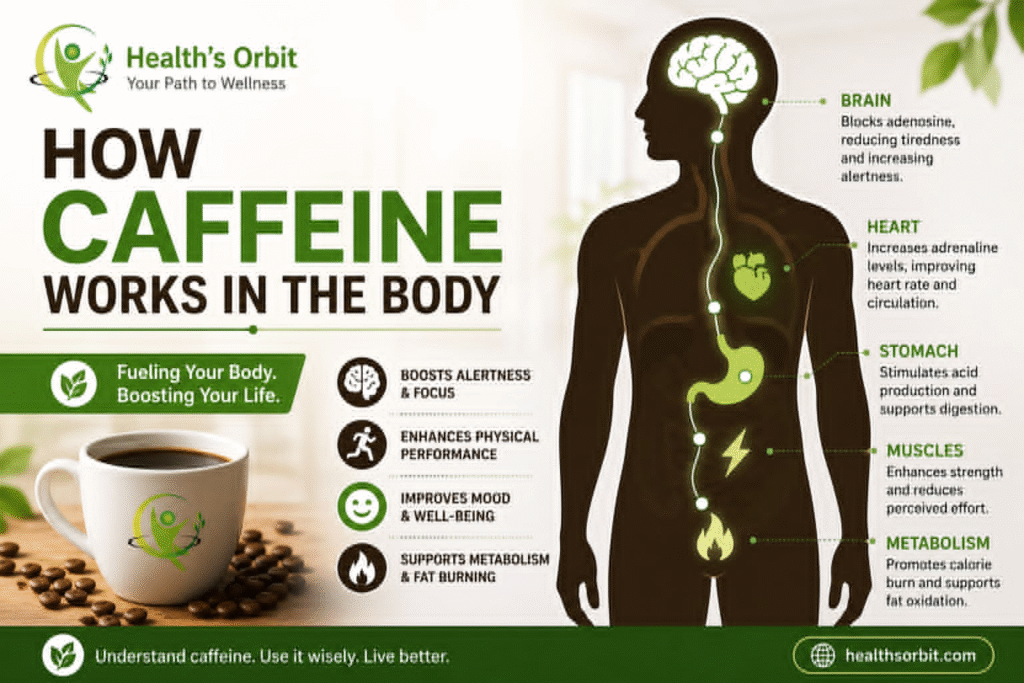
Once you drink coffee, caffeine is absorbed quickly through the stomach and small intestine, usually reaching peak levels in your bloodstream within 30 to 60 minutes. It works by blocking adenosine receptors in the brain, a chemical that normally builds up throughout the day and makes you feel sleepy. By blocking these receptors, caffeine helps you feel more awake, focused, and energized. This is part of the reason people are so curious about how much caffeine in coffee they need to feel that noticeable boost without overdoing it.
Benefits of Drinking Coffee in Moderation
When consumed responsibly, coffee offers several potential health benefits. It can improve concentration, enhance physical performance, and may even support long-term brain health. Many studies suggest that moderate coffee drinkers have a lower risk of certain conditions, including type 2 diabetes and some neurological diseases. Coffee is also rich in antioxidants, which help fight inflammation and protect cells from damage. Knowing how much caffeine in coffee you consume daily allows you to enjoy these benefits while staying within a safe and healthy range.
Possible Side Effects of Too Much Caffeine
While coffee has many upsides, too much caffeine can lead to unwanted side effects. These may include restlessness, increased heart rate, anxiety, digestive discomfort, and trouble sleeping. Most health experts agree that up to 400 milligrams of caffeine per day is generally safe for most healthy adults, which is roughly equivalent to four cups of brewed coffee. Going beyond this amount regularly may increase the risk of jitteriness, headaches, or dependency. This is exactly why understanding how much caffeine in coffee matters so much, since it helps you avoid accidentally consuming more than your body can comfortably handle.
Who Should Be Cautious About Caffeine Intake
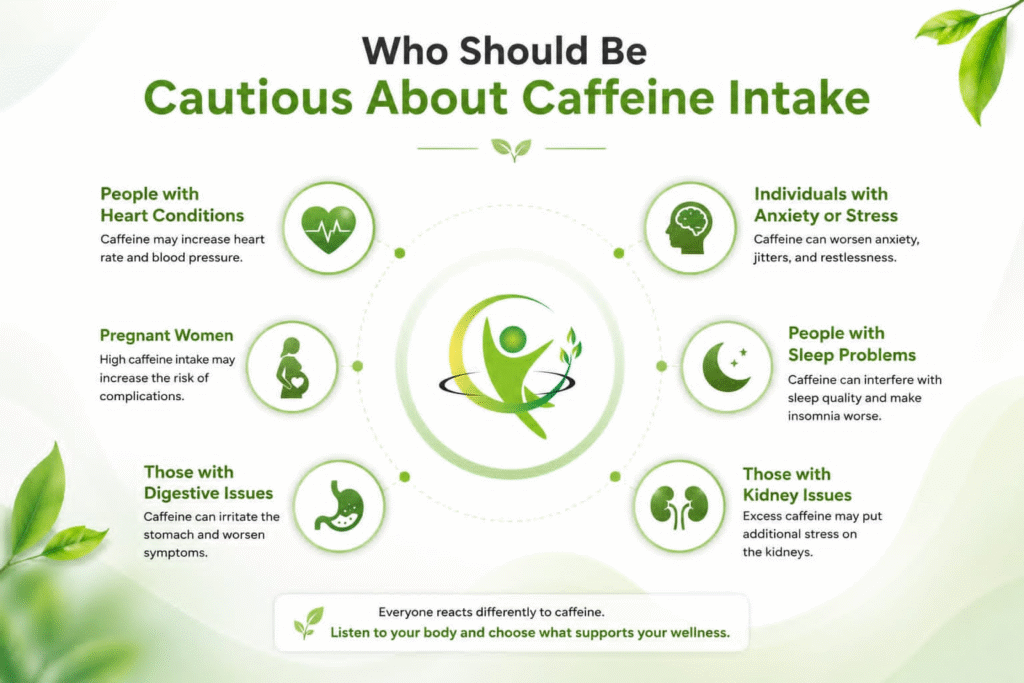
Certain groups of people should pay closer attention to their caffeine consumption. Pregnant women are often advised to limit caffeine intake to around 200 milligrams per day. Individuals with anxiety disorders, heart conditions, or sleep issues may also want to reduce their intake or switch to decaf options. Teenagers and children should generally avoid high caffeine intake altogether, since their bodies are more sensitive to stimulants. If you fall into any of these categories, it becomes even more important to track how much caffeine in coffee you are drinking on a daily basis.
Tips for Managing Your Caffeine Intake
If you want to enjoy coffee without overdoing it, there are a few simple strategies you can use. Try switching to smaller cup sizes, alternating between regular and decaf coffee, or avoiding coffee in the late afternoon to protect your sleep quality. Paying attention to labels and brewing methods can also help you stay informed about your daily intake, especially since different coffee shops and brands can vary significantly in strength.
Conclusion
Coffee is more than just a morning ritual. It is a complex beverage with a wide range of caffeine levels depending on how it is brewed and prepared. By understanding how much caffeine in coffee you are consuming, you can enjoy its benefits, such as improved focus and antioxidant support, while minimizing the risk of side effects like anxiety or sleep disruption. Whether you prefer a strong espresso shot or a smooth cup of decaf, being mindful of your intake is the key to a balanced and healthy coffee habit.
Frequently Asked Questions
1. How much caffeine in coffee is considered safe per day?
Most healthy adults can safely consume up to 400 milligrams of caffeine daily, which is roughly four cups of brewed coffee.
2. Does espresso have more caffeine than regular coffee?
Per ounce, espresso is stronger, but a full cup of brewed coffee usually contains more total caffeine than a single espresso shot.
3. Why does cold brew have higher caffeine levels?
Cold brew is steeped for a longer period with more coffee grounds, which results in a higher caffeine concentration.
4. Is decaf coffee completely caffeine-free?
No, decaf coffee still contains a small amount of caffeine, typically between 2 and 5 milligrams per cup.
5. Can caffeine intake affect sleep quality?
Yes, consuming caffeine too close to bedtime can interfere with falling asleep and reduce overall sleep quality.