

This article is based on a synthesis of current nutritional research, dietary science and established clinical studies related to seed-based nutrition and women’s health. The information provided is intended to reflect evidence-informed dietary insights rather than replace professional medical advice. Nutrient profiles, health mechanisms and biological functions discussed here are commonly supported in peer-reviewed nutrition literature and public health guidelines. However, individual responses to dietary changes may vary depending on age, health status, and underlying medical conditions. Readers are encouraged to consult qualified healthcare professionals before making significant changes to their diet or using food-based remedies for specific health concerns.
For centuries, women have sought natural remedies to support their health across every life stage from adolescence and fertility to menopause and beyond. Today, modern nutrition science confirms what many traditional cultures intuitively understood: pumpkin seeds benefits for female health are profound, wide-ranging and backed by solid research. These small, flat, green seeds scientifically known as Cucurbita pepo are among the most nutrient-dense foods on the planet.
In this comprehensive guide, you will discover the full spectrum of pumpkin seeds benefits for women from how they support hormonal balance and reproductive health to their role in weight management, bone strength and mental well-being. You will also learn the best ways to consume them, how much to take and what science actually says about their effects.
What Are Pumpkin Seeds?
Pumpkin seeds, also known as pepitas, are the edible seeds found inside pumpkins and certain other squash varieties. They are typically flat, oval-shaped, and green in color, with a mild, nutty flavor that becomes richer when lightly roasted. Despite their small size, pumpkin seeds are highly nutrient-dense and contain a concentrated mix of essential minerals, healthy fats, plant-based protein, and antioxidants. They have been consumed for centuries in various traditional diets not only as a food source but also for their functional health properties. In modern nutrition, pumpkin seeds are valued for their ability to support overall wellness, especially due to their naturally high levels of magnesium, zinc and iron, which play important roles in energy production, immune function and cellular health.
Nutritional Profile of Pumpkin Seeds
Before exploring the specific benefits, it is important to understand what makes pumpkin seeds so exceptional from a nutritional standpoint. A single one-ounce (28g) serving contains an impressive array of vitamins, minerals, and macronutrients.
| Nutrient | Amount per 28g (1 oz) | % Daily Value (Women) |
| Calories | 151 kcal | — |
| Protein | 7 g | 14% |
| Total Fat | 13 g | 17% |
| Omega-3 Fatty Acids | 0.05 g | — |
| Carbohydrates | 5 g | 2% |
| Dietary Fiber | 1.7 g | 6% |
| Magnesium | 168 mg | 40% |
| Zinc | 2.2 mg | 20% |
| Iron | 2.7 mg | 15% |
| Phosphorus | 332 mg | 27% |
| Manganese | 0.99 mg | 43% |
| Vitamin K | 1.1 mcg | 1% |
| Antioxidants (Vitamin E) | 0.9 mg | 6% |
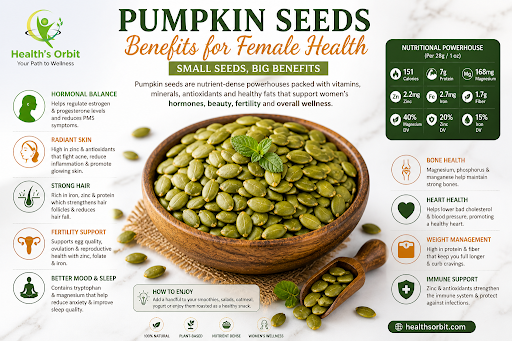
What stands out for women specifically is the high concentration of magnesium (40% DV), zinc (20% DV), and iron (15% DV) , three minerals that are chronically under-consumed by women worldwide. Additionally, pumpkin seeds are a rich source of plant-based phytoestrogens and tryptophan, which play direct roles in hormonal balance and mood regulation.
Pumpkin Seeds Benefits for Female Health: Overview by Category
The following table summarizes the key benefits of pumpkin seeds for women, organized by health category, along with the active nutrients responsible:
| Health Category | Key Benefit | Active Nutrients |
| Hormonal Balance | Regulates estrogen & progesterone levels | Zinc, Magnesium, Phytoestrogens |
| Skin Health | Boosts collagen, reduces acne, anti-aging | Zinc, Vitamin E, Antioxidants |
| Hair Growth | Strengthens follicles, reduces hair fall | Iron, Zinc, Protein |
| Fertility & Reproductive Health | Supports egg quality and cycle regularity | Zinc, Folate, Iron |
| Bone Health | Prevents osteoporosis post-menopause | Magnesium, Phosphorus, Manganese |
| Heart Health | Lowers LDL cholesterol, reduces BP | Magnesium, Omega-3, Fiber |
| Weight Management | Promotes satiety, reduces cravings | Protein, Fiber, Healthy Fats |
| Immune Function | Strengthens immune defense | Zinc, Antioxidants |
| Mental Health | Reduces anxiety, improves sleep quality | Magnesium, Tryptophan |
| Bladder Health | Reduces overactive bladder symptoms | Pumpkin seed extract, Zinc |
Hormonal Balance: The Core Benefit for Women
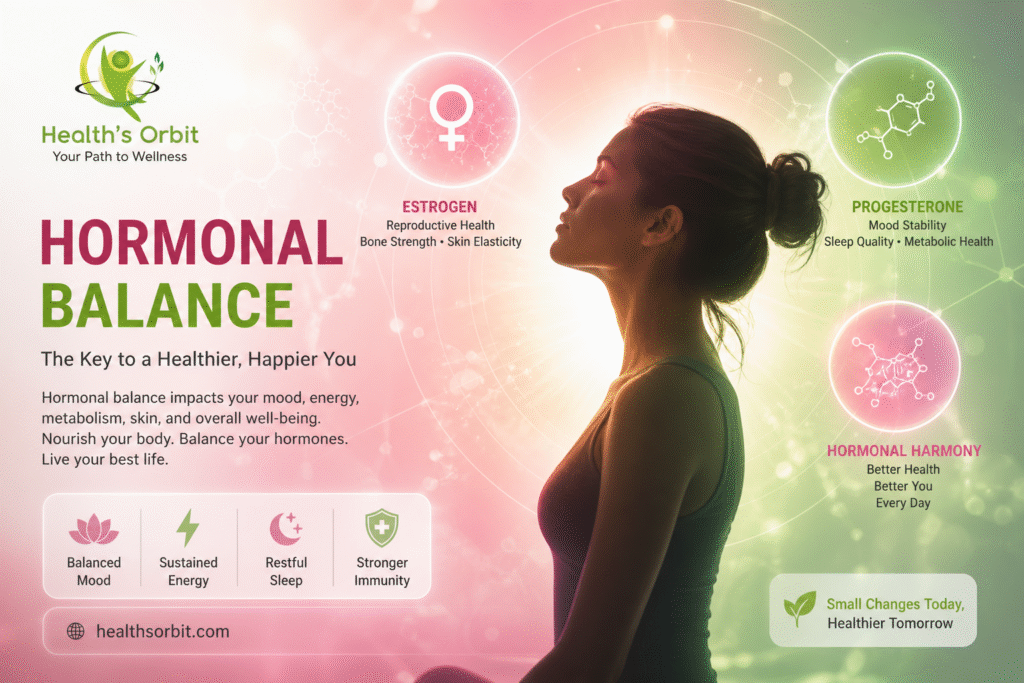
Of all the pumpkin seeds benefits for female health, hormonal support is arguably the most significant. Women experience dramatic hormonal fluctuations throughout their lives during the menstrual cycle, pregnancy, perimenopause, and menopause. These fluctuations can cause symptoms ranging from mood swings and fatigue to irregular periods and hot flashes.
How Pumpkin Seeds Support Hormones
Pumpkin seeds contain natural phytoestrogens plant-based compounds that mimic the activity of estrogen in the body. During perimenopause and menopause, when estrogen levels decline sharply, these phytoestrogens can help cushion the drop and reduce common symptoms like hot flashes, night sweats and mood instability.
Zinc, found in abundance in pumpkin seeds, plays a critical role in regulating the production of progesterone, the hormone responsible for preparing the uterus for pregnancy and maintaining menstrual regularity. Studies suggest that women with low zinc levels are more prone to PMS symptoms, irregular cycles, and fertility challenges.
Magnesium further complements this by helping regulate cortisol (the stress hormone). Elevated cortisol is a known disruptor of both estrogen and progesterone balance. Women who consume adequate magnesium tend to experience less PMS-related cramping, improved mood and better sleep quality during hormonal transitions.
Radiant Skin: What Pumpkin Seeds Do for Your Complexion
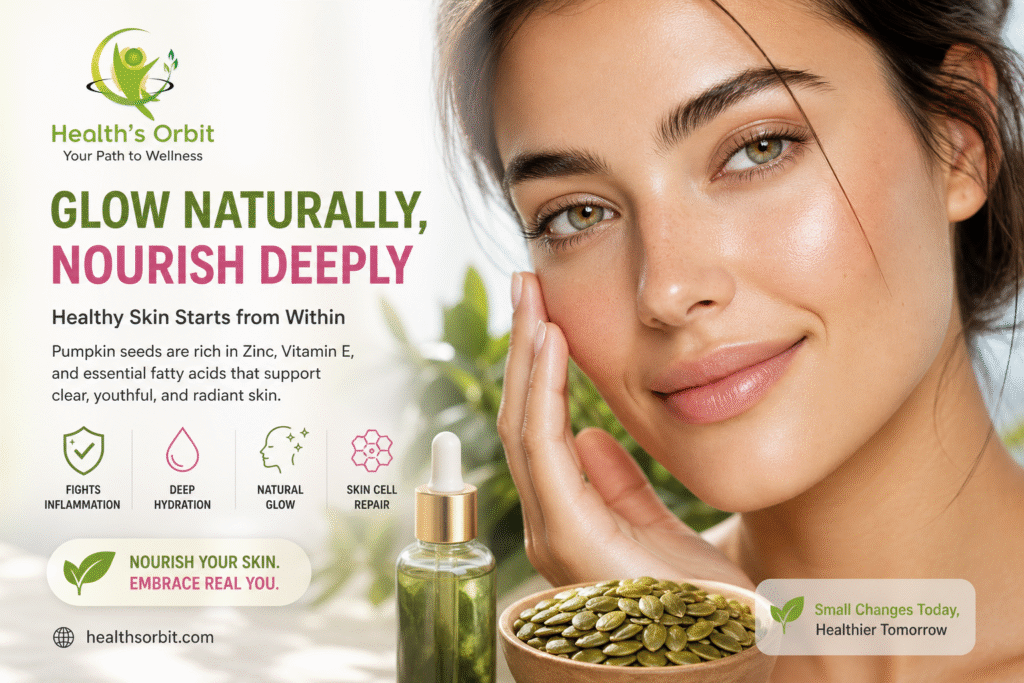
Clear, youthful skin is closely tied to nutritional status and pumpkin seeds deliver several skin-essential nutrients in one compact package. The seeds for female skin health include zinc, vitamin E, antioxidants and essential fatty acids, all of which are present in pumpkin seeds.
Anti-Acne and Anti-Inflammatory Properties
Zinc is one of the most important nutrients for acne management. It regulates sebum production, reduces skin inflammation, and inhibits the growth of acne-causing bacteria. Women who experience hormonal acne particularly around the jawline and chin area during their menstrual cycle may notice significant improvements with regular pumpkin seed consumption.
Anti-Aging and Collagen Support
Vitamin E, a powerful antioxidant found in pumpkin seeds, protects skin cells from oxidative stress caused by UV radiation and pollution. Combined with the zinc content that supports collagen synthesis, pumpkin seeds contribute to firmer, more elastic skin and a reduction in the appearance of fine lines over time.
The healthy fats in pumpkin seeds, particularly linoleic acid, help maintain the skin’s moisture barrier, keeping it hydrated and reducing dryness and flakiness. Women with eczema or psoriasis have reported symptomatic relief when incorporating pumpkin seed oil into their diet.
Hair Growth and Strength: Nourish Your Follicles from Within
Hair loss is a growing concern among women, particularly those experiencing hormonal imbalance, postpartum hair shedding, or iron deficiency anemia. Pumpkin seeds address several root causes of hair thinning simultaneously.
Blocking DHT for Healthier Hair
One of the most researched pumpkin seed benefits for female hair health involves their ability to inhibit the enzyme 5-alpha reductase, which converts testosterone into dihydrotestosterone (DHT). High DHT levels are associated with androgenic alopecia or female pattern baldness. A study published in Evidence-Based Complementary and Alternative Medicine found that pumpkin seed oil supplementation led to significant increases in hair count among participants.
Iron, Zinc and Protein for Follicle Strength
Iron deficiency is the leading nutritional cause of hair loss in women. Pumpkin seeds provide a meaningful source of non-heme iron, which when consumed alongside vitamin C-rich foods can help raise ferritin levels and support hair follicle health. Zinc prevents hair follicle miniaturization, while the protein content (7g per ounce) provides the amino acid building blocks your hair needs to grow strong and resilient.
Fertility and Reproductive Health
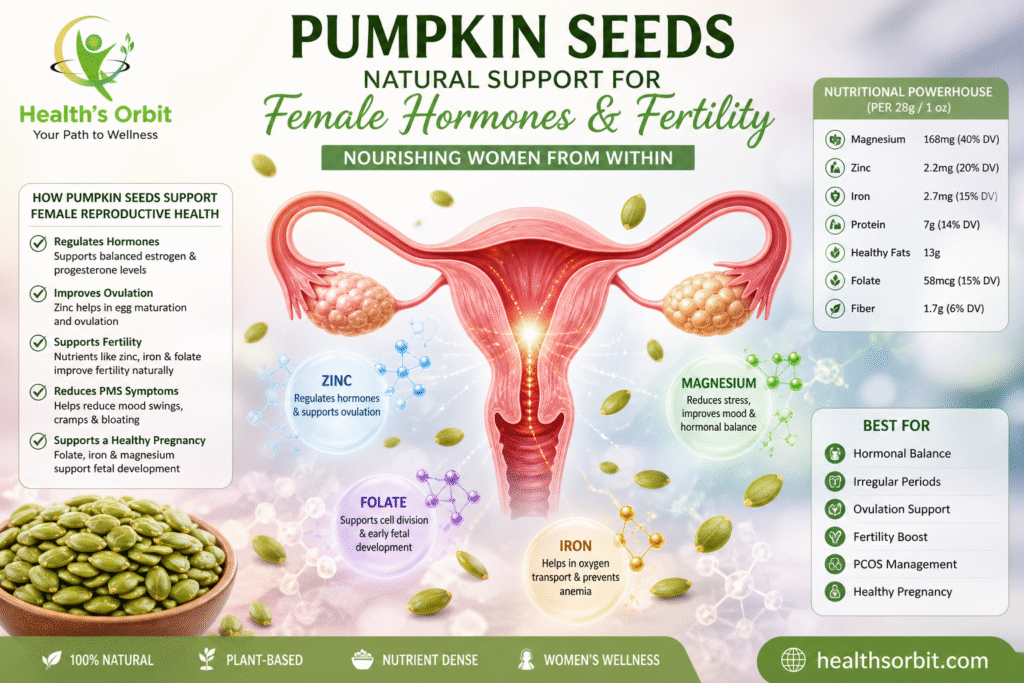
For women trying to conceive, nutrition is one of the most powerful tools available. Seeds for female health like pumpkin seeds are particularly valuable because they supply multiple fertility-supporting nutrients in one food.
Zinc is essential for healthy egg maturation and ovulation. Research has shown that zinc deficiency can impair egg quality and disrupt the regularity of the menstrual cycle. Folate also present in pumpkin seeds supports healthy cell division during early pregnancy and reduces the risk of neural tube defects.
Iron deficiency, one of the most common nutritional issues among women of reproductive age, can inhibit ovulation and increase the risk of anovulatory cycles. Regularly consuming iron-rich foods like pumpkin seeds can help maintain adequate iron stores and support reproductive function.
Additionally, the anti-inflammatory properties of the omega-3 fatty acids and antioxidants in pumpkin seeds help create a healthy uterine environment by reducing inflammation that can interfere with implantation and early pregnancy.
Weight Management and Metabolic Health
Maintaining a healthy weight is a priority for many women, and pumpkin seeds can be a powerful ally in this goal. Despite being calorie-dense, they are highly satiating and have a low glycemic impact.
Protein and Fiber for Satiety
With 7 grams of protein and nearly 2 grams of fiber per ounce, pumpkin seeds rank among the most filling snacks available. Protein reduces levels of the hunger hormone ghrelin, while fiber slows gastric emptying meaning you feel full longer and are less likely to overeat at subsequent meals.
Magnesium and Insulin Sensitivity
Magnesium plays a crucial role in glucose metabolism and insulin sensitivity. Women with low magnesium levels are at significantly higher risk for insulin resistance and type 2 diabetes. Regular pumpkin seed consumption can help improve cellular response to insulin, support healthy blood sugar levels, and reduce fat storage triggered by blood sugar spikes.
When used as a replacement for processed snacks like chips or cookies, pumpkin seeds can contribute meaningfully to caloric reduction without sacrificing satisfaction making them an ideal component of a healthy, balanced approach to weight management.
Heart Health and Cardiovascular Protection
Cardiovascular disease is the leading cause of death among women globally, and diet plays a central role in prevention. The magnesium, healthy fats, antioxidants and fiber in pumpkin seeds collectively contribute to a heart-healthy nutritional profile.
Magnesium helps relax blood vessel walls, reducing blood pressure, a major risk factor for heart disease and stroke. The unsaturated fatty acids in pumpkin seeds have been shown to lower LDL (bad) cholesterol while preserving HDL (good) cholesterol levels. Antioxidants, including vitamin E and carotenoids, prevent the oxidation of LDL particles, a key step in the formation of arterial plaques.
A diet rich in magnesium-rich foods and beneficial seeds for female health, including pumpkin seeds, is consistently associated with lower rates of hypertension, coronary artery disease and cardiovascular events in epidemiological studies.
Bone Health: Critical for Women Over 40
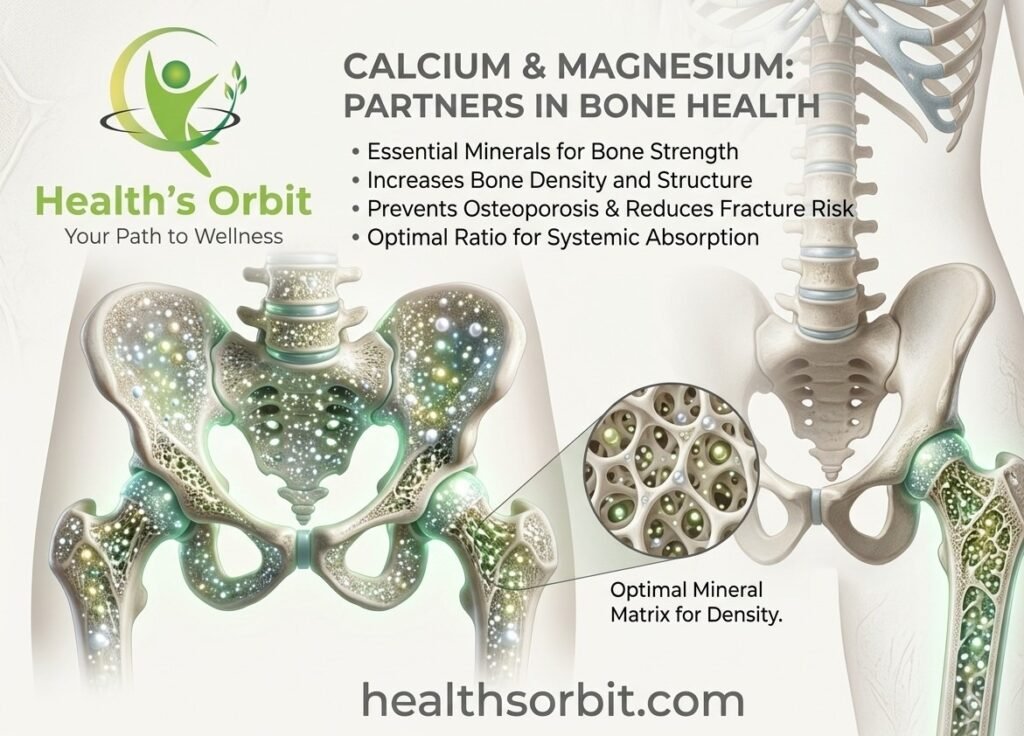
Osteoporosis disproportionately affects women, with post-menopausal women losing bone density rapidly due to declining estrogen. Pumpkin seeds offer three key bone-building minerals: magnesium, phosphorus, and manganese all of which work alongside calcium to maintain skeletal integrity.
Magnesium is essential for converting vitamin D into its active form, which in turn drives calcium absorption in the gut. Without adequate magnesium, calcium supplements are far less effective. Phosphorus forms a structural component of hydroxyapatite, the mineral matrix of bone. Manganese activates enzymes needed for bone matrix synthesis. Together, these nutrients in pumpkin seeds contribute to stronger, denser bones throughout a woman’s life.
Mental Health, Anxiety and Sleep Quality
Women are twice as likely as men to experience anxiety and depression, and nutritional deficiencies particularly in magnesium and tryptophan are closely linked to these conditions. Pumpkin seeds address both.
Tryptophan and Serotonin Production
Tryptophan is an amino acid precursor to serotonin, the neurotransmitter that regulates mood, emotional stability and sleep. Pumpkin seeds are one of the best plant-based sources of tryptophan. Adequate tryptophan intake helps reduce anxiety, improve mood and promote restful sleep particularly important for women experiencing hormonal fluctuations that disrupt sleep architecture.
Magnesium and Nervous System Calm
Magnesium deficiency is strongly associated with heightened anxiety, irritability, and difficulty sleeping. Magnesium acts as a natural calcium channel blocker in the nervous system, reducing neuronal excitability and promoting a state of calm. Women who supplement their diet with magnesium-rich foods including pumpkin seeds often report meaningful reductions in anxiety symptoms and improved sleep quality.
How to Consume Pumpkin Seeds: Best Methods and Combinations
Raw vs. Roasted
Raw pumpkin seeds (pepitas) retain maximum nutritional value, including heat-sensitive antioxidants. Lightly roasting at low temperatures (below 170°C / 340°F) preserves most nutrients while enhancing flavor. Avoid commercially over-roasted or heavily salted varieties, which add unnecessary sodium and reduce antioxidant content.
Creative Ways to Include Pumpkin Seeds Daily
- Sprinkle on Greek yogurt or overnight oats in the morning
- Blend into smoothies for a protein and mineral boost
- Add to salads as a crunchy topping in place of croutons
- Mix into homemade granola or energy bars
- Stir into soups and stews for texture and nutrition
- Use pumpkin seed butter as a spread or dip
- Add to baked goods like muffins or whole-grain bread
Daily Intake Guide: How Much is Right for You?
The right amount of pumpkin seeds depends on your individual health goals, life stage and dietary needs. The following table provides tailored guidance:
| Life Stage / Goal | Recommended Daily Amount | Best Serving Method |
| General Adult Women | 1 oz (28g / ~85 seeds) | Raw or lightly roasted |
| Pregnancy | 1 oz (focus: folate, iron) | Mixed in smoothies or oatmeal |
| Menopause | 1–1.5 oz (phytoestrogen boost) | Sprinkled on salads or yogurt |
| Hormonal Imbalance | 1 oz consistently daily | Morning on empty stomach |
| Weight Loss | 0.5–1 oz as a snack | Dry-roasted, no added salt |
| Hair & Skin Concerns | 1 oz + pumpkin seed oil | As a topping or blended in diet |
| Anxiety / Poor Sleep | 1 oz in the evening | With warm milk or herbal tea |
As a general rule, one ounce (approximately 85 seeds or two heaped tablespoons) per day is sufficient for most adult women to experience meaningful benefits. Consistency matters far more than quantity daily intake over weeks and months is what drives lasting results.
Side Effects and Precautions
Pumpkin seeds are generally safe and well-tolerated for most women.
- High caloric density: Overconsumption (more than 2–3 oz/day) can contribute to excess calorie intake. Stick to recommended portions.
- Digestive discomfort: The fiber content can cause bloating or loose stools if you dramatically increase intake too quickly. Introduce gradually.
- Allergies: Although rare, pumpkin seed allergy exists. Discontinue use if you experience itching, hives, or digestive distress.
- Drug interactions: Pumpkin seeds have mild diuretic and blood-pressure-lowering properties. Women on antihypertensive medications should monitor their intake.
- Pregnancy: While pumpkin seeds are highly nutritious during pregnancy, pumpkin seed oil supplements should be used under medical guidance.
Practical Daily Routine: Incorporating Pumpkin Seeds for Maximum Benefit
Sample Daily Integration Plan
Morning (7:00–8:00 AM): Add 1 tbsp of raw pumpkin seeds to your oatmeal, yogurt, or smoothie bowl.
Midday (12:00–1:00 PM): Sprinkle pumpkin seeds over your salad or grain bowl at lunch.
Afternoon Snack (3:00–4:00 PM): Enjoy a small handful of dry-roasted pumpkin seeds in place of chips or crackers.
Evening (7:00–8:00 PM): Add pumpkin seeds to your dinner as a topping for soups or stir-fry.
Consistency is the most important factor. Rather than consuming a large quantity occasionally, small daily portions allow your body to steadily absorb and utilize the nutrients over time. Pair pumpkin seeds with vitamin C-rich foods (like bell peppers or citrus) to maximize iron absorption from the seeds.
Conclusion
The evidence is compelling: pumpkin seeds are one of the most powerful superfoods available for supporting female health at every stage of life. From hormonal balance and fertile health to radiant skin, strong hair, a healthy heart, and a calm mind these small seeds punch well above their weight nutritionally.
What makes pumpkin seeds especially valuable is their versatility and accessibility. They require no special preparation, fit seamlessly into existing meals, and are affordable year-round. By incorporating just one ounce of pumpkin seeds into your daily routine whether tossed on a salad, blended into a smoothie, or enjoyed as a snack you provide your body with a concentrated dose of the nutrients it craves most.
Begin today and maintain consistency. Let the natural power of pumpkin seeds benefits for female wellness transform your health from the inside out.
Frequently Asked Questions (FAQs)
Q1: How many pumpkin seeds should a woman eat per day?
A: One ounce (28g or roughly 85 seeds) per day is the recommended amount for most adult women. This provides a meaningful dose of magnesium, zinc, and iron without excess calories.
Q2: Can pumpkin seeds help balance hormones naturally?
A: Yes. Pumpkin seeds contain phytoestrogens, zinc and magnesium all of which play documented roles in supporting estrogen and progesterone balance, reducing PMS symptoms and easing menopausal discomfort.
Q3: Are pumpkin seeds beneficial for female hair loss?
A: Absolutely. Pumpkin seeds help block DHT (a hormone linked to hair loss), while their iron, zinc, and protein content nourish hair follicles directly. Consistent daily intake has been shown to improve hair density.
Q4: When is the best time to eat pumpkin seeds for hormonal benefits?
A: For hormonal support, morning on an empty stomach or with breakfast is often recommended. For improved sleep and anxiety relief (tryptophan benefits), consuming them in the evening with a light snack can be more effective.
Q5: Can pumpkin seeds improve fertility in women?
A: Evidence suggests that the zinc, iron, folate, and anti-inflammatory compounds in pumpkin seeds support egg quality, cycle regularity, and a healthy uterine environment, all of which are important factors for female fertility.
Medical Disclaimer: This article is intended for informational and educational purposes only. It does not constitute medical advice, diagnosis, or treatment. The information provided about pumpkin seeds benefits for female health is based on general nutritional research and should not be used as a substitute for professional medical consultation. Individual health needs vary — please consult a licensed healthcare professional before making significant dietary changes, especially if you are pregnant, nursing, managing a chronic condition, or taking medications.