

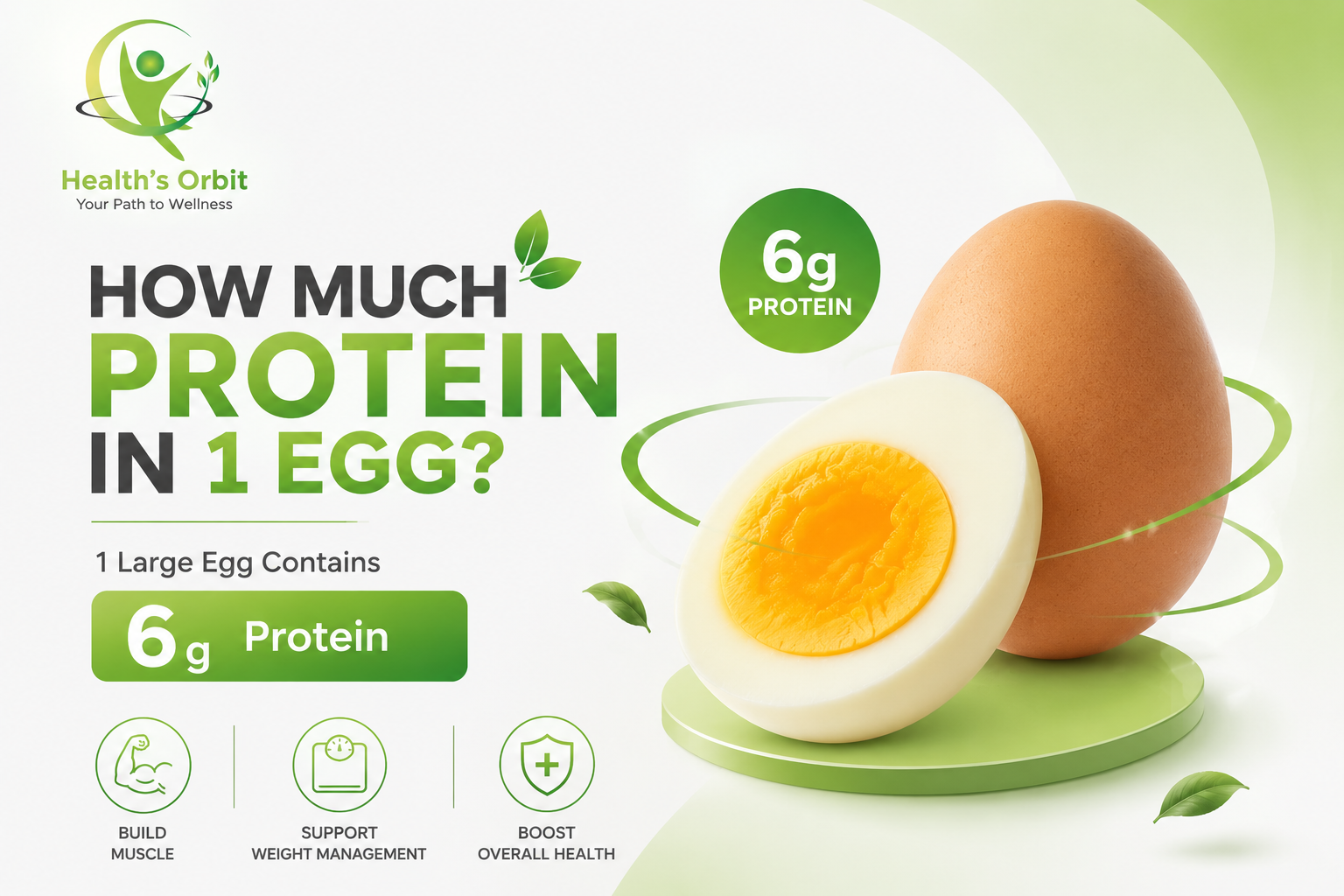
One large egg contains approximately 6 to 7 grams of protein, making it one of the most affordable, nutrient-dense protein sources available. But the full picture is more detailed ,egg size, which part of the egg you eat, and even how you cook it all influence what you actually get from each egg.
Why Egg Protein Is Considered High Quality
Before diving into the exact numbers, it helps to understand why eggs are consistently ranked among the best protein foods.
Protein quality is measured by how well a food’s amino acid profile matches what the human body needs. Eggs contain all nine essential amino acids , histidine, isoleucine, leucine, lysine, methionine, phenylalanine, threonine, tryptophan, and valine , in proportions that are highly usable by the body. This makes eggs a complete protein source.
One standard used to measure protein quality is the Protein Digestibility-Corrected Amino Acid Score (PDCAAS). Egg protein scores close to 1.0 on this scale , the highest possible rating , meaning your body can absorb and use nearly all of it. According to the American Egg Board, egg proteins are easily digested and contain all of the essential amino acids the body cannot produce on its own.
Another key amino acid worth highlighting is leucine. Present in good amounts in eggs, leucine plays a direct role in triggering muscle protein synthesis , the process by which your body builds and repairs muscle tissue. This makes eggs particularly valuable for athletes, older adults, and anyone focused on maintaining or building muscle mass.
How Much Protein in 1 Egg by Size
The amount of protein in 1 egg varies depending on size. Here is a breakdown based on USDA FoodData Central data:
| Egg Size | Weight | Protein |
| Medium | 44 g | ~5.5 g |
| Large | 50 g | ~6.3 g |
| Extra Large | 56 g | ~7.0 g |
Most nutrition labels and recipes use the large egg as the standard. When you see a protein value quoted for 1 egg, it almost always refers to a large egg weighing approximately 50 grams.
Protein in Egg White vs. Egg Yolk
A common question is whether the protein in 1 egg comes mostly from the white or the yolk.
Egg White: The white of one large egg contains around 3.6 grams of protein and only 17 calories. It is almost entirely made up of water and protein, with minimal fat. This makes egg whites popular among people who want high protein with very low calorie intake.
Egg Yolk: The yolk of one large egg provides approximately 2.4 to 2.7 grams of protein along with 53 calories. While the yolk contributes slightly less protein by weight, it is where virtually all of the egg’s fat-soluble vitamins, minerals, and bioactive compounds are concentrated , including vitamin D, vitamin B12, selenium, choline, and the antioxidants lutein and zeaxanthin.
The Case for Eating the Whole Egg: Research published in the American Journal of Clinical Nutrition found that consuming whole eggs after resistance exercise stimulated greater muscle protein synthesis compared to consuming egg whites alone. This effect is attributed to the synergistic role of the yolk’s nutrients in supporting the protein absorbed from the white. If your goal includes muscle recovery and overall nutrition, eating the whole egg is the more beneficial choice.
Full Nutritional Profile of 1 Large Egg
Understanding how much protein in 1 egg is useful, but egg nutrition goes far beyond protein alone. Here is a snapshot of what one large egg provides:
| Nutrient | Per Large Egg |
| Calories | ~71 kcal |
| Protein | ~6.3 g |
| Total Fat | ~5 g |
| Carbohydrates | ~0.4 g |
| Choline | ~147 mg |
| Selenium | ~15.4 mcg |
Source: USDA FoodData Central
Choline deserves special mention. One large egg supplies roughly 25–30% of the daily adequate intake for choline , a nutrient critical for brain development, liver function, and metabolism. Many people do not get enough choline from their diet, making eggs a practical dietary solution.
Does Cooking Change the Protein in 1 Egg?
This is one of the most frequently asked questions about egg nutrition.
The short answer is no , cooking does not significantly reduce protein content. A boiled egg, a scrambled egg, and a raw egg all contain roughly the same amount of protein. What cooking changes is the texture of the protein molecules through a process called denaturation, not the total amount.
However, there is a nuance worth noting: cooking actually improves protein digestibility. One study found that the body absorbs around 91% of protein from cooked eggs, compared to roughly 51% from raw eggs. This means that while raw and cooked eggs contain the same amount of protein, your body extracts significantly more usable protein from a cooked egg. Eating raw eggs is therefore not more nutritious from a protein standpoint , it is actually less efficient.
The cooking method does not meaningfully differentiate protein yield either. Whether you prefer boiled, poached, fried, or scrambled eggs, the protein in 1 egg remains essentially the same.
How Many Eggs Per Day Is Reasonable?
For most healthy adults, eating 1 to 3 whole eggs per day is generally considered safe and nutritionally beneficial. Decades of research have largely cleared dietary cholesterol , the kind found in egg yolks , from being a direct driver of heart disease in otherwise healthy people. Major nutrition guidelines have moved away from strict daily cholesterol limits.
That said, people with type 2 diabetes or existing cardiovascular conditions may want to discuss egg consumption with their healthcare provider, as individual responses to dietary cholesterol can vary.
For those with high protein needs , such as athletes, bodybuilders, or older adults trying to prevent muscle loss , eggs are one of the most cost-effective protein sources available. A single large egg delivers around 6 grams of complete protein for approximately 15–25 cents depending on your location, making it difficult to beat on a per-gram-of-protein cost basis.
Comparing Egg Protein to Other Protein Sources
To put the protein in 1 egg in perspective:
| Food Item | Protein Content |
| 1 large egg | ~6.3 g |
| 100g chicken breast | ~31 g |
| 100g Greek yogurt | ~10 g |
| 100g canned tuna | ~24 g |
Eggs sit in a reasonable range for a single-serve food, particularly when you factor in their micronutrient richness, convenience, low cost, and versatility in cooking. Unlike many high-protein foods, eggs require no preparation complexity and can be ready in under five minutes.
Practical Tips to Maximize Egg Protein Intake
1. Eat the whole egg. The yolk’s nutrients work in concert with the white’s protein for better overall absorption and muscle-building effects.
2. Cook your eggs. Cooked eggs offer nearly double the protein digestibility of raw eggs. Scrambled, boiled, or poached , all are effective.
3. Pair eggs with carbohydrates for muscle recovery. Combining protein from eggs with carbohydrates post-workout supports glycogen replenishment and muscle repair simultaneously.
4. Use eggs at breakfast for appetite control. Studies show that eating eggs at breakfast reduces feelings of hunger throughout the morning more effectively than high-carbohydrate breakfasts like cereal, which may support overall calorie management over time.
5. Track by size, not just count. If you are closely monitoring protein intake, remember that a medium egg has about 5.5g of protein and a jumbo has nearly 8g. Size matters more than many people realize when logging nutrition.
Bottom Line
So, how much protein in 1 egg? A large egg delivers approximately 6 to 7 grams of complete, highly digestible protein , split between the white and yolk , along with a rich array of vitamins, minerals, and health-supporting compounds. Egg protein is among the highest quality available in any whole food, with near-perfect amino acid composition and excellent digestibility when cooked.
Whether your goal is building muscle, managing weight, fueling athletic performance, or simply eating a balanced diet, eggs offer exceptional nutritional value at minimal cost. Including 1 to 3 whole eggs per day as part of a varied diet is a practical, evidence-backed strategy for meeting your daily protein needs.
Sources & References
- USDA FoodData Central — Egg, whole, raw, fresh (FDC ID: 171287). U.S. Department of Agriculture. https://fdc.nal.usda.gov/food-details/171287/nutrients
- American Egg Board — Egg Nutrition: Protein Quality and Amino Acid Composition. https://www.incredibleegg.org/professionals/colleges-universities/egg-nutrition/
- Evenepoel P, et al. (1998). Digestibility of cooked and raw egg protein in humans as assessed by stable isotope techniques. Journal of Nutrition, 128(10), 1716–1722. https://doi.org/10.1093/jn/128.10.1716
- van Vliet S, et al. (2017). Consumption of whole eggs promotes greater stimulation of postexercise muscle protein synthesis than consumption of isonitrogenous amounts of egg whites in young men. American Journal of Clinical Nutrition, 106(6), 1401–1412. https://doi.org/10.3945/ajcn.117.159855
- Leidy HJ, et al. (2015). The role of protein in weight loss and maintenance. American Journal of Clinical Nutrition, 101(6), 1320S–1329S. https://doi.org/10.3945/ajcn.114.084038
- Institute of Medicine — Dietary Reference Intakes for Choline. National Academies Press. https://www.nap.edu/read/6015/chapter/14
- Ratliff J, et al. (2010). Consuming eggs for breakfast influences plasma glucose and ghrelin, while reducing energy intake during the next 24 hours in adult men. Nutrition Research, 30(2), 96–103. https://doi.org/10.1016/j.nutres.2010.01.002
- Hu FB, et al. (1999). A prospective study of egg consumption and risk of cardiovascular disease in men and women. JAMA, 281(15), 1387–1394. https://doi.org/10.1001/jama.281.15.1387
Always consult a registered dietitian or healthcare provider for personalized nutrition advice.