

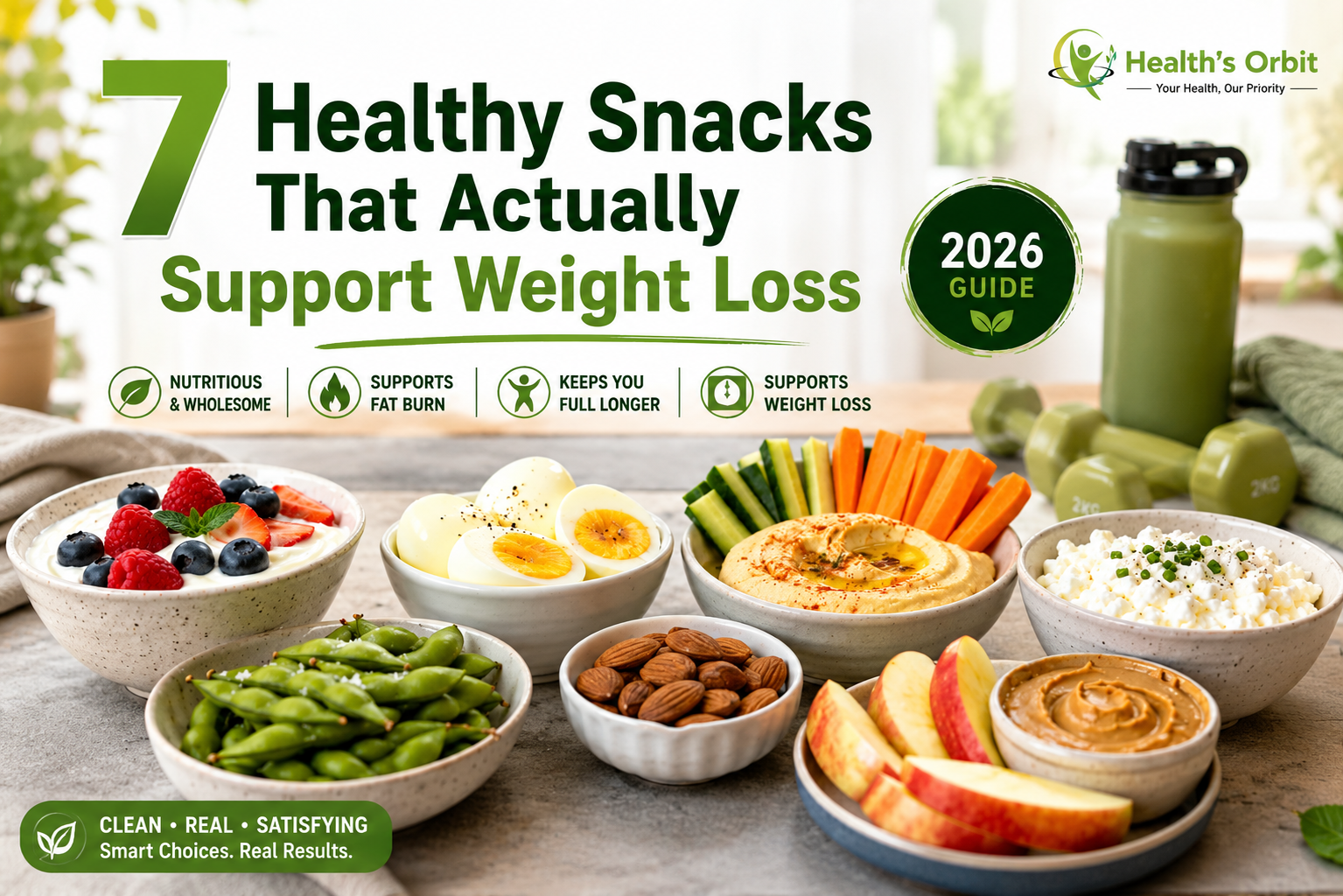
7 Healthy Snacks for Weight Loss
| 📌 Quick Answer Featured SnippetHealthy snacks for weight loss are low-calorie, high-protein or fiber-rich foods such as Greek yogurt, hard-boiled eggs, and edamame that reduce hunger hormones, stabilize blood sugar, and support a sustained calorie deficit without triggering overeating. |
Most people don’t lose their diet at breakfast or dinner. They lose it in the quiet moments between meals standing in front of the pantry, reaching for whatever is closest. Choosing the right healthy snacks for weight loss is often the single most impactful change a person can make, not because snacking is magic, but because unplanned snacking is one of the most consistent sources of hidden calories in modern diets.
Done strategically, snacking supports a calorie deficit and prevents overeating at main meals. It also stabilizes blood sugar and makes the process feel far less restrictive.
This guide goes beyond surface-level advice. It covers the biology behind effective snacks, the specific foods that deliver results, the timing strategies that amplify fat loss, the behavioral mistakes most people never catch and a dedicated section for snacks that keep your day under 100 calories. Every claim is grounded in peer-reviewed nutritional science.
Modern nutrition research highlights that food quality has a significant impact on satiety and metabolic response, sometimes even more than calorie count alone.
What Are Healthy Snacks ?
Healthy snacks are nutrient-dense foods eaten between meals to control hunger, stabilize blood sugar, and support energy levels without adding excessive calories. Unlike highly processed snacks, they typically contain a balance of protein, fiber, healthy fats, or complex carbohydrates that help increase fullness and reduce overeating. In a weight loss plan, healthy snacks are used strategically to maintain a calorie deficit while preventing cravings and energy crashes throughout the day.
Why Certain Snacks Make Weight Loss Easier
Not every low-calorie food qualifies as a genuinely useful weight loss snack. The most effective options do three things simultaneously: they control your insulin response, support your macronutrient balance, and promote satiety without pushing you past your daily calorie ceiling. A balanced weight loss snack usually contains at least two of these three components: protein, fiber, or healthy fats. Understanding what constitutes truly healthy snacks for weight loss starts with these three mechanisms and why most processed snacks fail all three tests.
When you eat something high in refined sugar or simple carbohydrates, blood glucose spikes rapidly and then crashes within 60 to 90 minutes.That crash is the real enemy. It suppresses energy and triggers cortisol release.
As a result, it drives the next craving and makes a calorie deficit difficult to sustain. A 2019 study published in Cell Metabolism found that ultra-processed food consumption directly led to increased caloric intake compared to whole-food equivalents, even when both diets were matched for macronutrients.
Metabolism plays a direct role as well. The thermic effect of food, the energy your body uses to digest and process what you eat, varies dramatically by macronutrient. Protein has the highest thermic effect of any macronutrient, burning roughly 25 to 30 percent of its own calories during digestion. A boiled egg is therefore a smarter metabolic choice than a rice cracker, even if both appear in a similar calorie range on paper.
Additionally, volume eating adds another layer. Low calorie snacks with high water and fiber content cucumber, celery, air-popped popcorn, watermelon fill your stomach physically and trigger stretch receptors that send fullness signals to the brain. This means satiety arrives without a meaningful caloric contribution, which is a powerful tool for anyone managing a deficit.
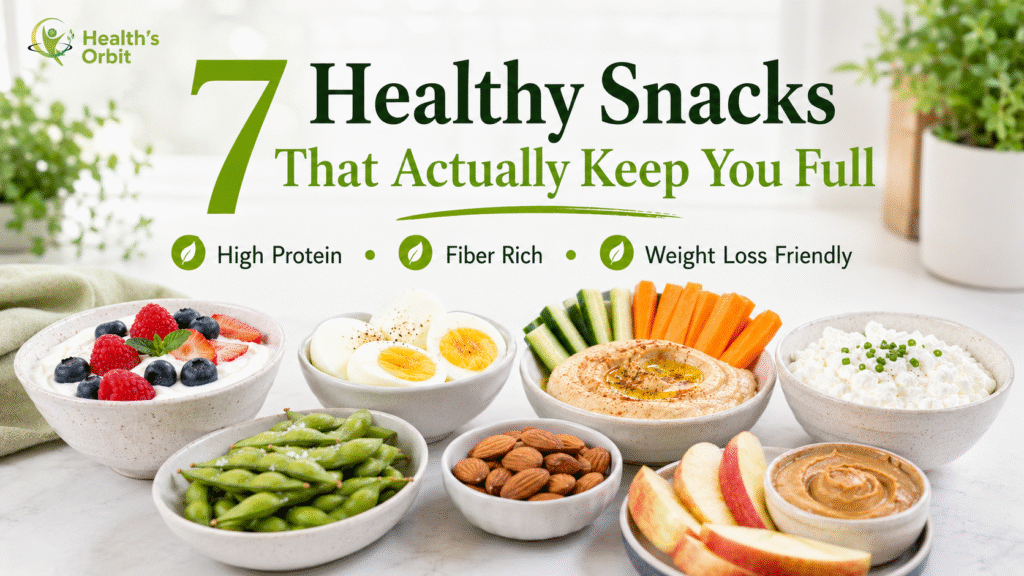
7 Healthy Snacks That Actually Keep You Full
This is where most articles stop at a list and move on. Rather than staying on the surface, let’s explore the science behind these ingredients and how to utilize them as effective healthy snacks for weight loss.
1.Greek Yogurt with Berries
Greek Yogurt with Mixed Berries is one of the most well-researched options backed by nutritional science. Plain Greek yogurt delivers 15 to 20 grams of protein per cup, which directly suppresses appetite-stimulating hormones.
Researchers in the American Journal of Clinical Nutrition confirmed that high-protein dairy intake significantly reduced appetite and improved satiety scores versus low-protein alternatives. The berries layer in antioxidants and fiber without a significant sugar load. Together, the combination sits under 150 calories while providing genuine satiety for two to three hours.
2.Hard-Boiled Eggs
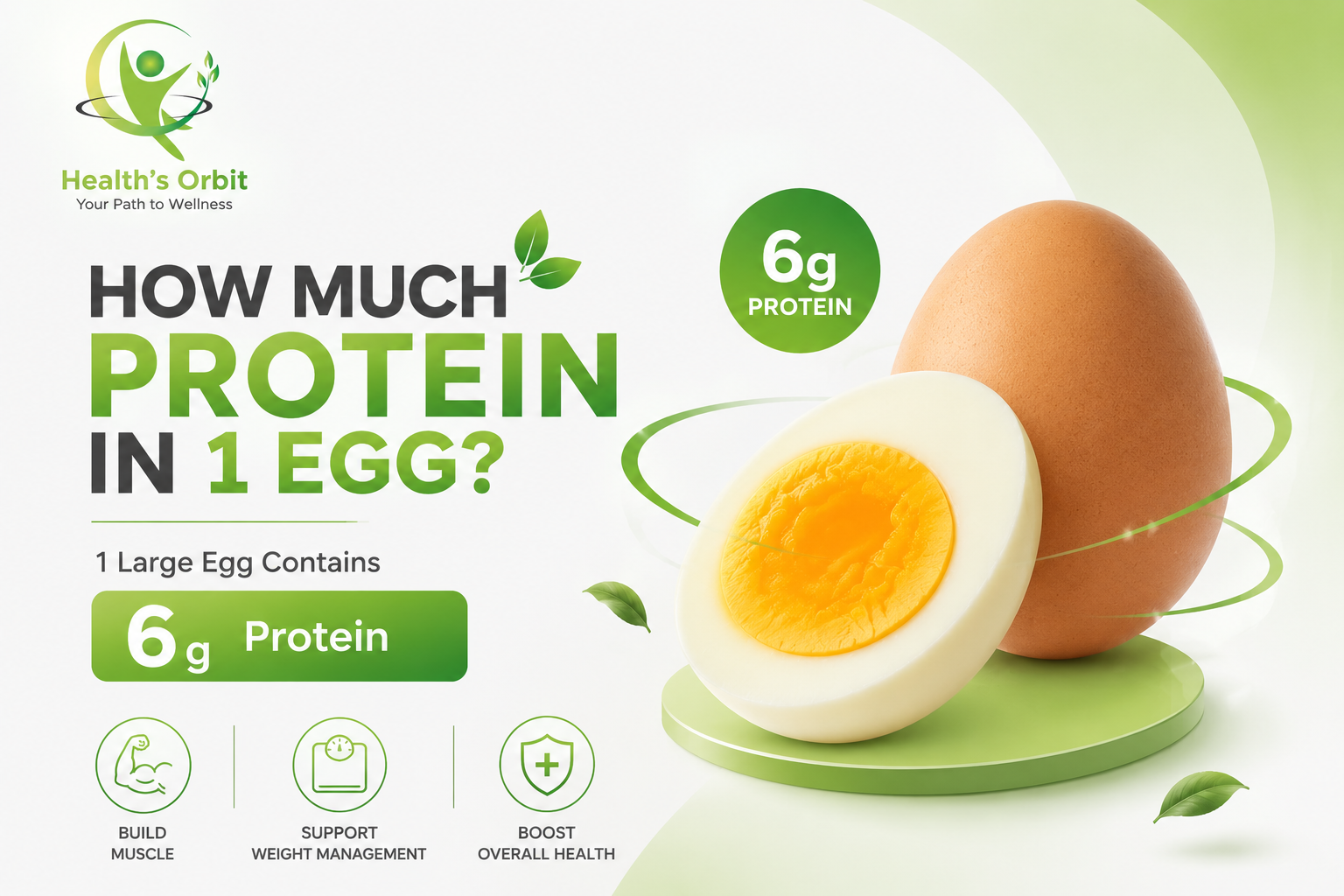
Hard-Boiled Eggs are among the most underestimated fat burning foods in snack format. Every single egg provides about 70 calories alongside 6 grams of premium, complete protein.The fat in the yolk long unfairly demonized slows gastric emptying and sustains fullness between meals. Two eggs as a mid-morning snack can measurably reduce caloric intake at lunch without requiring any effort or restriction.
3.Almonds and Walnuts
Almonds and Walnuts are excellent low carb snacks when portioned correctly. A one-ounce serving (roughly 23 almonds) provides 6 grams of protein, 3.5 grams of fiber, and heart-healthy monounsaturated fats at roughly 160 calories. Research from the Journal of Nutrition consistently shows that people who include nuts in their diet have better long-term weight management outcomes than those who avoid them. The critical variable is measured portions.
4.Hummus and Veggies
Pairing hummus with fresh vegetable sticks offers a crunchy, savory experience that is as filling as it is nutritionally balanced. The chickpea base delivers plant-based protein and resistant starch, which feeds beneficial gut bacteria and improves insulin sensitivity over time. Using cucumber, bell pepper strips or celery instead of pita bread keeps the entire snack well under 150 calories while significantly increasing fiber intake.
5.Cottage Cheese
Cottage Cheese is the most underrated of all weight loss diet snacks. Half a cup provides roughly 13 grams of slow-digesting casein protein at just 90 calories. Its slow release into the bloodstream makes it particularly effective as a healthy evening snack, sustaining satiety through the night without triggering a significant insulin response.
6.Edamame
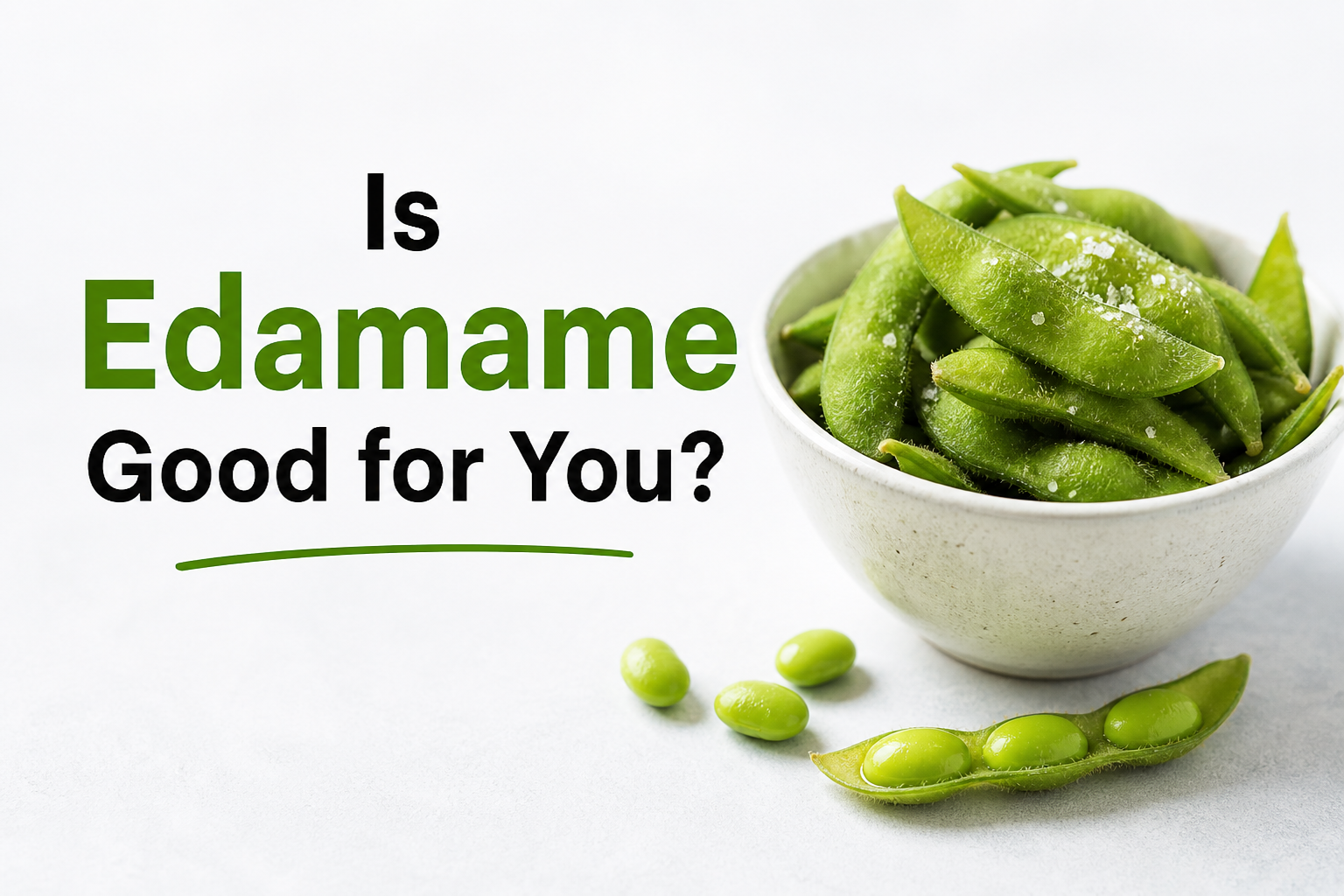
Edamame offers a complete plant-based protein profile in a convenient, portable format. One cup of shelled edamame contains approximately 17 grams of protein and 8 grams of fiber at around 180 calories, making it one of the most nutrient-dense portion control snacks available.
7.Apple with Almond Butter
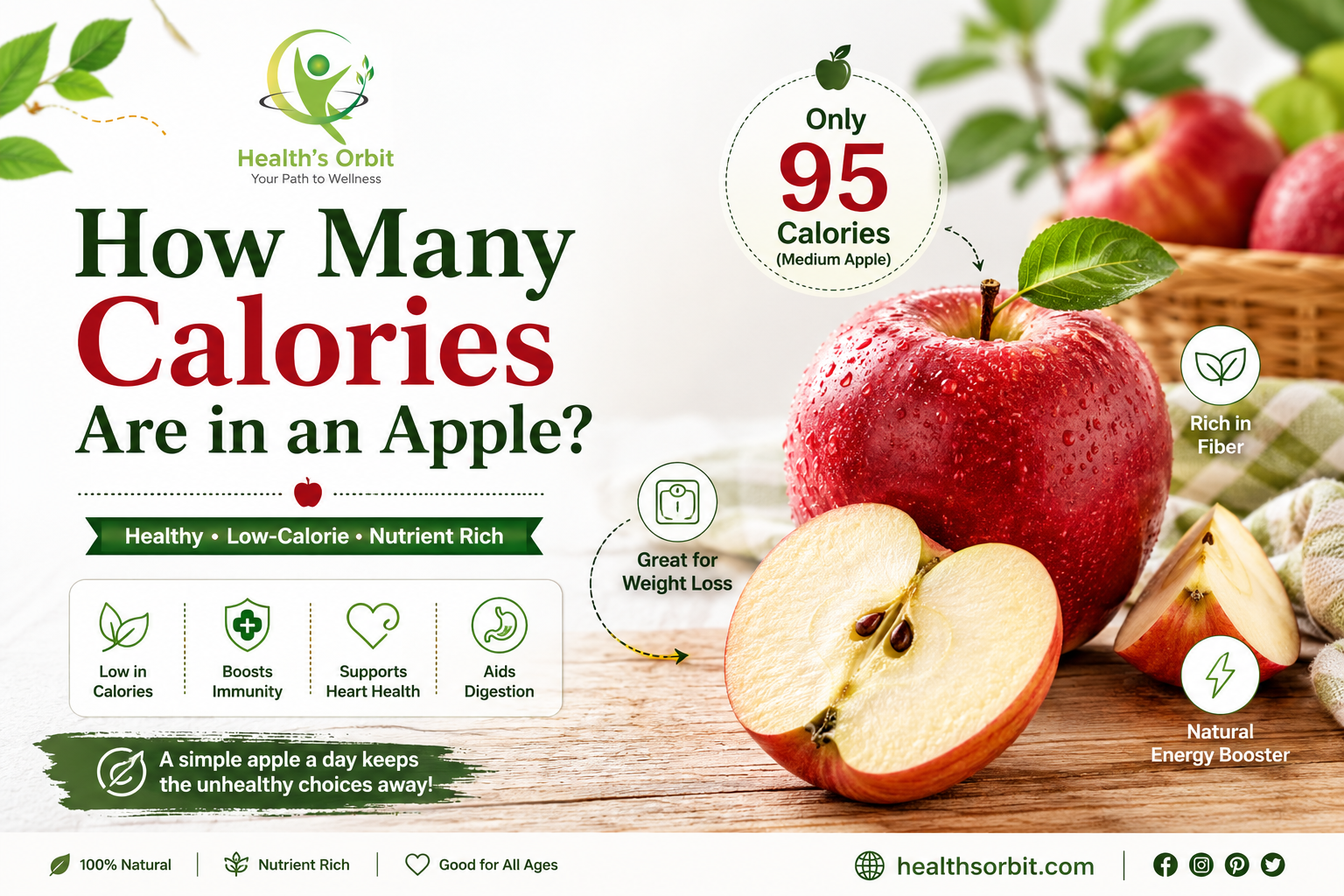
Apple with Almond Butter balances natural sweetness, fiber, and fat in a format that satisfies cravings without derailing a calorie plan. The soluble fiber in the apple blunts blood sugar rise, while almond butter extends satiety by slowing gastric emptying.
The Snack Types That Support Weight Loss Best
High-Protein Snacks
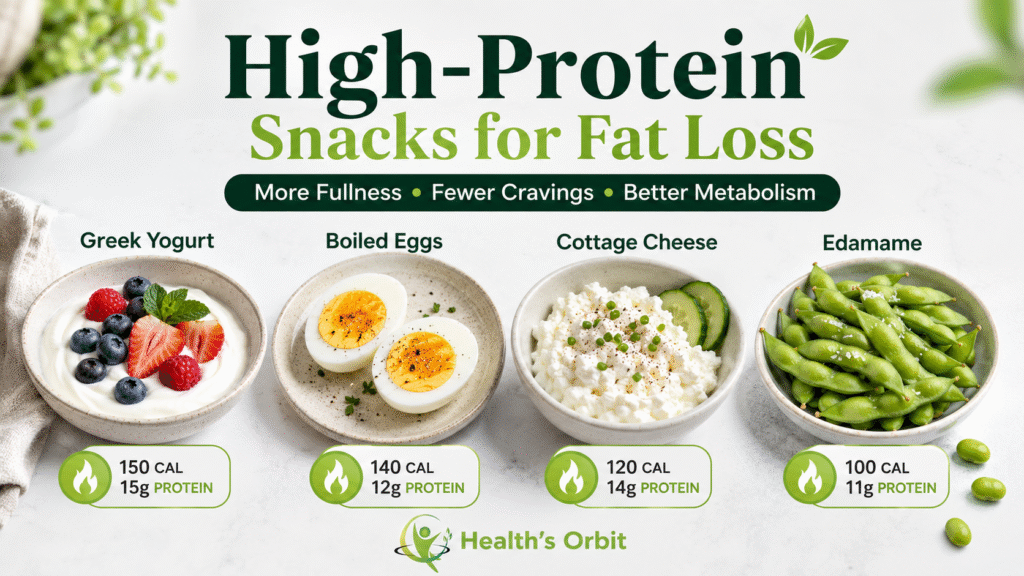
Protein is the most powerful macronutrient for sustained weight management and high protein snacks for fat loss work on multiple biological pathways simultaneously. Protein increases the production of satiety hormones PYY and GLP-1 while suppressing ghrelin the primary hunger hormone. According to research in Obesity Reviews, high-protein diets can reduce overall daily calorie consumption by 300 to 400 calories without requiring conscious restriction.
From a practical standpoint, reaching for a protein-forward snack between meals Greek yogurt, cottage cheese, a hard-boiled egg, smoked salmon on a cucumber round directly interrupts the unplanned snacking cycle that drives gradual weight gain. The thermic effect also means your body does metabolic work simply by digesting the protein, which compounds the fat-burning benefit over time.
Fiber-Rich Snacks
Fiber does something no other nutrient can replicate: it physically expands in the digestive tract, creating mechanical fullness while simultaneously feeding beneficial bacteria that regulate metabolism, inflammation and insulin response. A healthy gut microbiome has been directly linked to improved weight regulation in multiple large-scale studies and snack time is the most practical window to increase daily fiber intake.
Fiber rich snacks like raspberries, pears, lentil crackers, chia seed pudding and roasted chickpeas deliver four to ten grams of fiber per serving. Soluble fiber found in oats, apples and legumes forms a gel-like substance in the intestine that slows nutrient absorption and blunts blood sugar spikes. This is the biological reason a fiber-rich snack keeps you full long after a low-fiber option would have worn off.
Low-Calorie Snacks
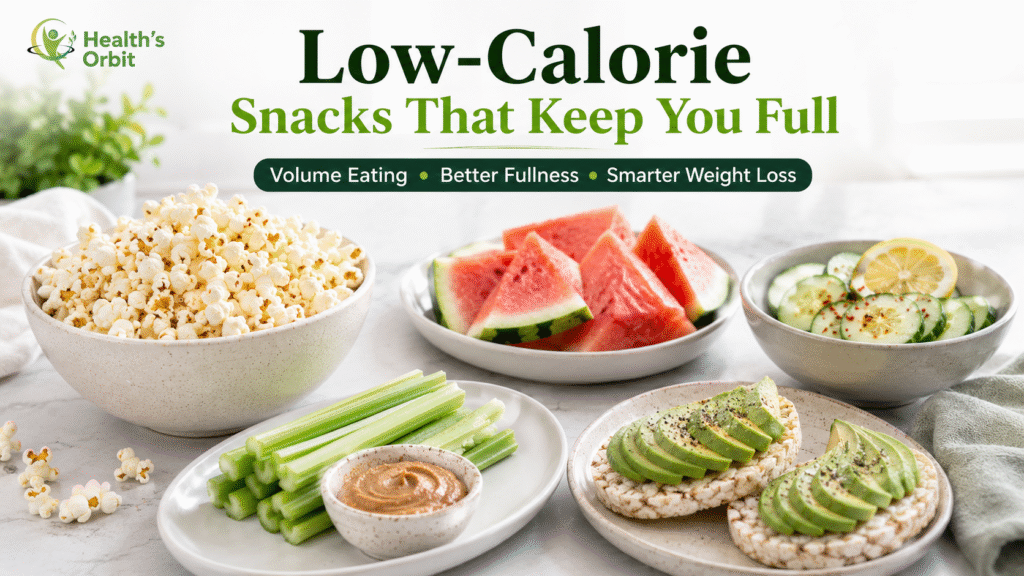
Volume eating is a legitimate, evidence-backed strategy for managing hunger within a calorie deficit. The premise is practical. Eating a physically large volume of low-energy-density food creates fullness without creating a calorie surplus.
Snacks under 100 calories that leverage volume include three cups of air-popped popcorn (approximately 90 calories), watermelon slices, cucumber with lemon and chili, celery with a teaspoon of almond butter and plain rice cakes topped with a thin layer of avocado.
These snacks work best when consumed mindfully away from screens, with intentional attention to taste and texture. Research on distracted eating consistently shows that food consumed without attention leads to overconsumption, regardless of what is being eaten.
Simple Nutrition Breakdown for Effective Snacks:
- Protein → reduces hunger hormones
- Fiber → slows digestion and improves fullness
- Healthy fats → support satiety and energy stability
Common Snacking Mistakes That Prevent Weight Loss
Even people who commit fully to healthy snacks for weight loss often undermine their own efforts through a handful of predictable mistakes. The most widespread is portion blindness eating directly from a bag or container without measuring.
Even metabolism boosting foods like nuts or dark chocolate contribute to a caloric surplus when portions exceed a single serving. A bag of almonds consumed casually over 20 minutes can deliver 400 to 500 calories three times what a measured serving provides.
Confusing “healthy” with “calorie-neutral” is the second most common error. Granola, flavored yogurts, fruit juices, protein bars with long ingredient lists these products are marketed with health-adjacent language but frequently contain more sugar and more calories than people expect.
Reading nutrition labels with close attention to serving size is non-negotiable for anyone using snacking as a structured component of a weight loss plan.
Emotional eating operates in a category entirely its own. Stress, loneliness, boredom, and even celebration trigger the desire to eat in ways that have no connection to physiological hunger. The key distinction is this: physical hunger builds gradually, is satisfied by most foods, and fades after eating.
Emotional hunger arrives suddenly, demands specific foods (usually high-sugar or high-fat), and is often not resolved by eating at all. Recognizing that distinction is one of the most important behavioral skills in sustainable weight management.
Healthy Snacks vs. Processed Snacks
The difference between a whole-food snack and a processed one extends far beyond calorie counts. Food manufacturers engineer processed snacks to override the body’s satiety signals. They are high in refined sugar, sodium and hyper-palatable fat combinations that trigger dopamine release the same neurological pathway involved in addictive behavior making it biologically difficult to stop at a single serving.
This is precisely why healthy snacks for weight loss outperform processed alternatives even at identical calorie levels. A 200-calorie serving of hummus and vegetables engages fiber, protein, and water pathways that create genuine satiety. A 200-calorie bag of flavored crackers does not. Two hours after eating, the difference in hunger level between these two choices is measurable and consistent.
A landmark study in BMJ Open found that ultra-processed food consumption was significantly associated with excess weight gain independent of total caloric intake meaning the food type matters beyond the numbers.
Furthermore, whole food snacks also provide micronutrients, vitamins, minerals, antioxidants that support the hormonal and metabolic processes underlying fat loss. Processed snacks, by contrast, supply what nutritional science calls empty calories: energy without meaningful nutritional contribution and frequently with ingredients that actively promote inflammation and fat storage.
Comparing the Best Snacks for Weight Loss
| Snack Type | Calories | Protein | Fiber | Weight Loss Benefit |
|---|---|---|---|---|
| Greek Yogurt, plain (1 cup) | 130 | 17g | 0g | High satiety, gut health support |
| Hard-Boiled Eggs (2) | 140 | 12g | 0g | Thermic effect, protein density |
| Almonds (1 oz) | 160 | 6g | 3.5g | Healthy fats, portion-friendly |
| Hummus + Veggie Sticks | 120 | 5g | 6g | Low glycemic, fiber-rich |
| Cottage Cheese (½ cup) | 90 | 13g | 0g | Casein protein, evening-safe |
| Edamame (1 cup, shelled) | 180 | 17g | 8g | Complete protein, high fiber |
| Air-Popped Popcorn (3 cups) | 90 | 3g | 3.5g | Volume eating, under 100 cal |
| Apple + Almond Butter (1 tbsp) | 155 | 2g | 4g | Fiber, natural sweetness |
| Orange (1 medium) | 62 | 1g | 3g | Vitamin C, low calorie |
| Cucumber + Lemon (20 slices) | 25 | 0.5g | 0.5g | Near-zero calories, hydrating |
Real-Life Snacking Strategy (Experience-Based)
After working through structured nutrition plans with real clients across varying lifestyles and starting points, one observation stands out above everything else: people who pre-plan their snacks lose weight more consistently and maintain that loss longer than those who decide in the moment.
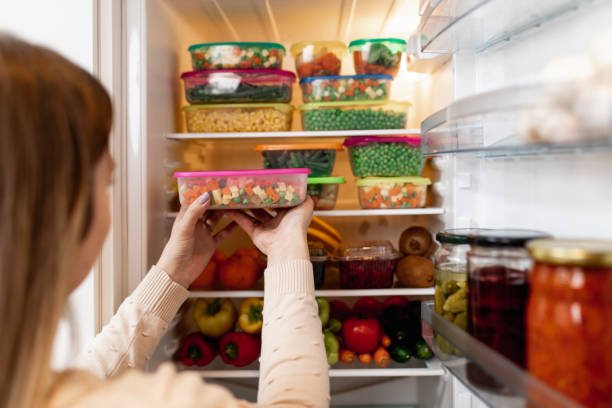
The decision-making environment matters enormously. When you are genuinely hungry and standing in front of a pantry, willpower is at its lowest point. Preparation is not a supplementary habit, it is the primary strategy.
Clients who achieve lasting results consistently share several practical behaviors. They portion snacks into individual containers at the start of each week. They keep two or three go-to quick healthy snacks stocked at all times, usually cut vegetables, hard-boiled eggs, or individually portioned nuts. And they time those snacks around their personal highest-craving windows, not by the clock.
Late-afternoon sweet cravings, for example, are almost never genuine hunger. They are blood sugar responses to an inadequate or low-fiber lunch. Addressing that craving with a high-fiber, moderate-protein snack, a pear with a small piece of aged cheese, or a few lentil crackers with hummus resolves the urge within 15 minutes and costs a fraction of the calories that impulsively grabbing something processed would.
Standard meal plans often overlook the underlying challenge of emotional eating, which rarely resolves itself through a simple schedule. Identifying personal triggers, work pressure, evening isolation, social gatherings and having a pre-decided alternative ready, makes the difference between sustainable progress and cyclical relapse.
Being honest about healthy snacking for weight loss working within the complexity of real life with stress, social eating, and imperfect days is what makes the approach stick across months, not just weeks.
Conclusion
Healthy snacks for weight loss are not simply low-calorie options, they are strategic biological tools that manage hunger hormones, support metabolic function, preserve lean muscle during a deficit, and make calorie-controlled eating sustainable without the mental cost of constant deprivation. Snacking is not the enemy of weight loss. Unplanned, emotionally driven, and nutritionally empty snacking is.The goal is to eat with intention.Center your snacking habits around a solid foundation of protein, fiber and high-volume foods. Time your snacks around your highest-risk craving windows rather than by habit or convenience. Pre-portion everything you can. Choose consistency over perfection because the most effective dietary approach is always the one you can maintain across months without feeling like you are fighting yourself every single day.
Start with two or three snacks from this guide and build from there. Within a few weeks, the improvement in your hunger levels, your energy stability, and eventually your scale progress will validate the strategy more convincingly than any article can. Consistent dietary habits help people achieve sustainable weight loss, not restrictive eating patterns or short-term fixes.
Frequently Asked Questions
Q1. How many snacks should I eat per day for weight loss?
Most frameworks recommend one to two planned snacks per day, timed between meals to prevent blood sugar dips and impulsive overeating.
Q2. Are healthy snacks for weight loss suitable for people with diabetes?
Yes, low-glycemic, high-fiber, and protein-rich options are particularly beneficial for managing blood sugar alongside body weight goals.
Q3. What is the best snack to eat before bed without gaining weight?
Cottage cheese or plain Greek yogurt — their slow-digesting casein protein supports overnight muscle repair without triggering significant insulin activity.
Q4. Can I lose weight by just changing my snacks?
Replacing processed snacks with whole-food alternatives can create a 300–500 calorie daily deficit on its own, producing meaningful weight loss over several weeks.
Q5. Are fruits good snacks for weight loss?
Yes, particularly high-fiber, lower-sugar fruits like berries, apples and pears satisfy sweet cravings while providing fiber that slows digestion.