

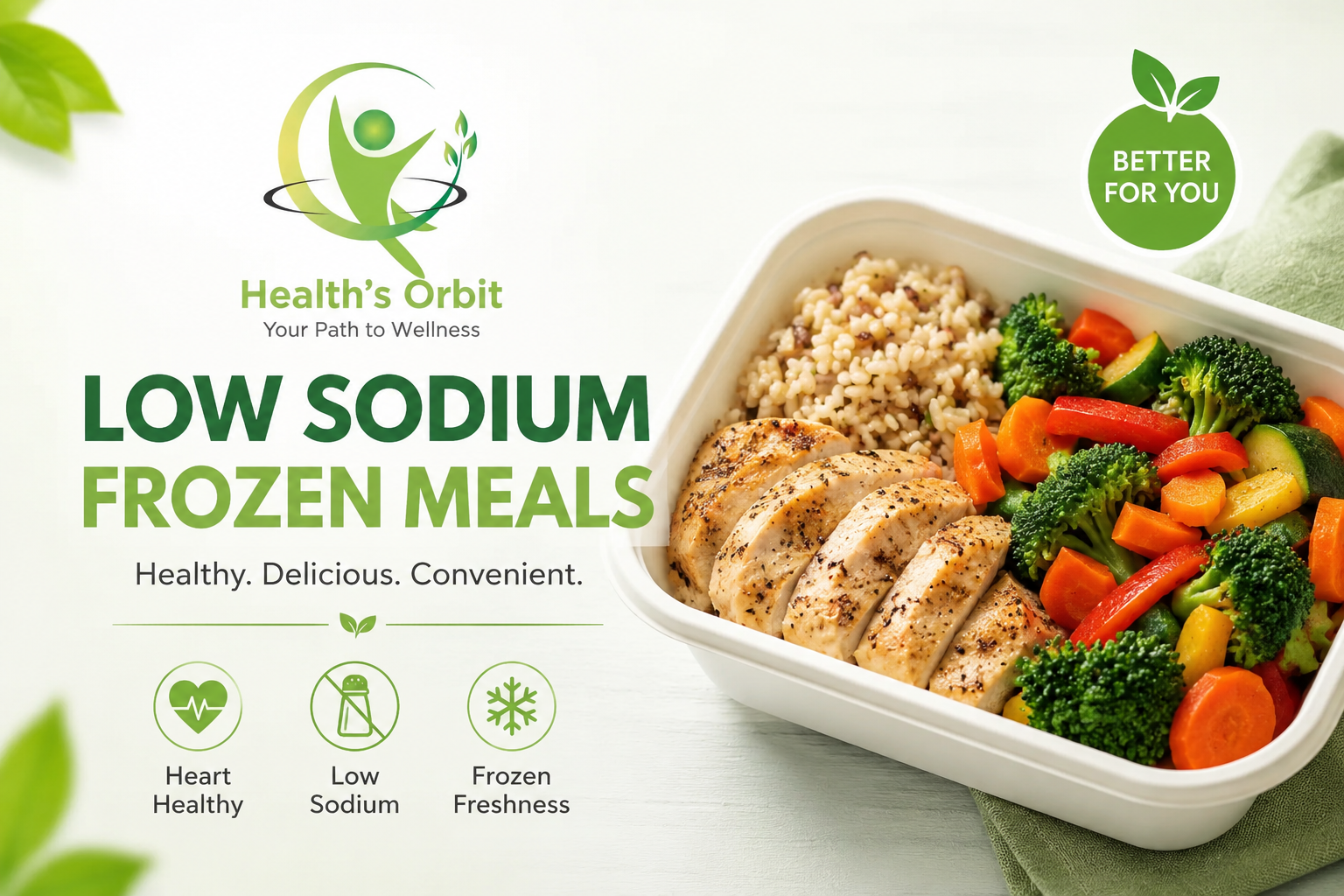
Key Takeaway: Low sodium frozen meals can be a smart, convenient option for people managing heart health, blood pressure, or kidney conditions provided you know what to look for. The CDC recommends choosing frozen meals with fewer than 600 mg of sodium per serving. This guide covers everything you need to make an informed choice.
Table of Contents
- What Are Low Sodium Frozen Meals?
- Benefits of Choosing Low Sodium Frozen Meals
- How to Pick Healthy Frozen Meals
- Best Ingredients to Look For
- Frozen Meals to Avoid on a Low Sodium Diet
- Low Sodium Meal Options for Weight Loss
- Budget-Friendly Low Sodium Frozen Meals
- Quick Lunch and Dinner Ideas
- Tips for Reducing Sodium Intake
- Are Frozen Meals Healthy?
- Frozen Meals With the Lowest Sodium Content
- Best Brands for Low Sodium Frozen Meals
- FAQs
What Are Low Sodium Frozen Meals?
Low sodium frozen meals are pre-packaged, ready-to-heat meals specifically formulated with reduced sodium content. According to the U.S. Food and Drug Administration (FDA), a product labeled “low sodium” must contain 140 mg or fewer of sodium per serving. However, in practical terms, the Centers for Disease Control and Prevention (CDC) considers any prepared meal with less than 600 mg of sodium per serving to fall within a healthy range for most adults.
Sodium is one of the most prevalent additives in conventional frozen meals. It serves as a preservative, flavor enhancer, and texture stabilizer. The challenge is that over 70% of the sodium Americans consume comes from processed and packaged foods not from a salt shaker. That’s why switching to low sodium frozen meals is one of the most impactful dietary changes you can make without overhauling your entire routine.
3,400mg
Average daily sodium consumed by Americans
2,300mg
AHA recommended daily limit
<600mg
CDC target per frozen meal serving
70%
Sodium from packaged & restaurant foods
Benefits of Choosing Low Sodium Frozen Meals
Choosing low sodium frozen meals is not just about convenience — it is a health-forward decision backed by science. The American Heart Association (AHA) states that reducing sodium intake by as little as 1,000 mg per day can significantly improve blood pressure and reduce the risk of heart disease and stroke. Here are the most important reasons to make the switch:
- Supports healthy blood pressure levels and reduces cardiovascular risk
- Beneficial for people managing chronic kidney disease (CKD)
- Reduces water retention and bloating
- Helps prevent fluid buildup, which is critical for those with heart failure
- Easier portion control compared to home cooking for most people
- Convenient for seniors, busy professionals, and people with limited mobility
- Modern low sodium options deliver excellent flavor without excess salt
Note for Patients: If you have been diagnosed with hypertension, heart failure, or kidney disease, your physician may recommend staying under 1,500 mg of sodium per day — not just per meal. Always cross-reference these guidelines with your healthcare provider’s advice.
How to Pick Healthy Frozen Meals
Walking through the frozen foods aisle can feel overwhelming, especially when every package claims to be healthy, light, or “balanced.” Knowing how to decode labels and identify genuinely nutritious low sodium frozen meals separates smart shoppers from impulse buyers. Follow these evidence-based criteria.
Check the Nutrition Label
The nutrition label is the most reliable tool you have. Always check the sodium value in milligrams per serving , not per package, as many meals contain more than one serving. Target meals with fewer than 600 mg per serving. Ideally, aim for 400 mg or less if you are strictly managing sodium intake. Also verify that the serving size listed matches the amount you actually intend to eat, as smaller stated servings are a common marketing trick to make sodium numbers look lower.
Choose Meals With Lean Protein
Protein is essential for satiety, muscle maintenance, and metabolic function. When evaluating low sodium frozen meals, look for options that include at least 10 to 15 grams of protein per serving. Lean protein sources such as grilled chicken breast, turkey, tofu, legumes, lentils, and baked fish are naturally lower in sodium than processed meats like sausage, pepperoni, or deli-style ham. Meals featuring these whole protein sources are almost always better choices both nutritionally and from a sodium standpoint.
Avoid High-Sodium Sauces
Many frozen meals that appear healthy are actually sodium traps in disguise , buried in creamy cheese sauces, teriyaki glazes, soy-based dressings, or heavy marinara. These condiments can single-handedly push a meal’s sodium content past 800–1,000 mg even if the base ingredients are lean. Look for meals seasoned with herbs, citrus, garlic, onion, pepper, or wine reductions, which add complexity without the salt load. If a sauce is listed among the first three ingredients, that is a warning sign.
Add Fresh Vegetables for Extra Nutrition
One underrated strategy when eating low sodium frozen meals is to treat them as a base rather than a complete dish. Adding half a cup of steamed broccoli, sautéed spinach, roasted bell peppers, or a simple green salad alongside your frozen entrée boosts fiber, vitamins, and phytonutrients significantly. This also increases volume and satiety without meaningfully increasing sodium, especially when you use fresh or frozen plain vegetables with no added salt.
Compare Sodium Levels Before Buying
Within the same product line, sodium levels can vary dramatically from one flavor to the next. For example, a chicken marsala frozen entrée from a popular brand might contain 460 mg of sodium while the brand’s beef enchilada version exceeds 800 mg. Always compare two or three similar options side by side on the shelf before selecting. Many smartphone health apps now allow you to scan barcodes and instantly compare sodium content, making this process faster than ever.
Best Ingredients to Look For
Beyond sodium numbers, the quality of ingredients in low sodium frozen meals matters enormously for overall nutritional value. The best options prioritize whole, minimally processed foods that nourish rather than just fill.
- Whole grains ; brown rice, quinoa, whole wheat pasta, farro, or barley
- Lean proteins ; chicken breast, turkey, tofu, edamame, lentils, chickpeas, baked fish
- Non-starchy vegetables ; broccoli, spinach, kale, bell peppers, zucchini, green beans
- Legumes ; black beans, kidney beans, peas (high fiber, plant-based protein)
- Healthy fats ; olive oil, avocado, nuts or seeds in small amounts
- Natural seasonings ; garlic, herbs, citrus zest, turmeric, cumin (flavor without sodium)
- Low-fat dairy ; small amounts of real cheese or yogurt-based sauces
Pro Tip: Look for the American Heart Association’s Heart-Check Certification seal on frozen meal packaging. Meals bearing this mark have undergone rigorous review and are confirmed to meet AHA guidelines for fat, sodium, and overall heart health.
Frozen Meals to Avoid on a Low Sodium Diet
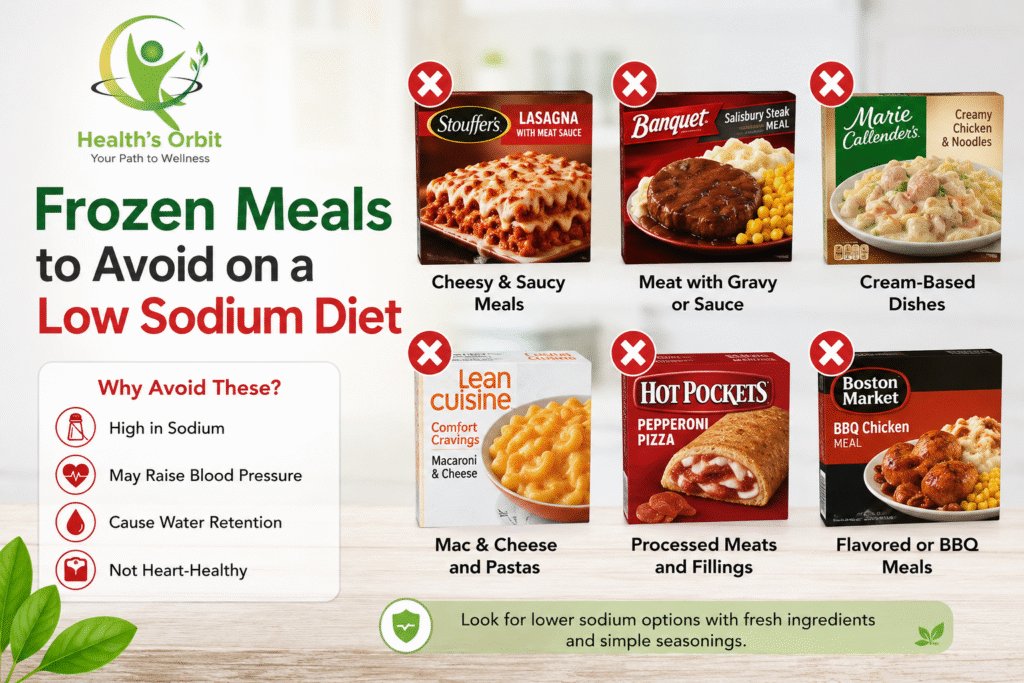
Just as important as knowing what to seek out is recognizing which frozen meal types to skip when you are managing sodium intake. Some categories are almost universally high in sodium regardless of brand.
Frozen pizzas and flatbreads (typically 700–1,100 mg per serving)
Pot pies and pastry-topped dishes (high sodium in both crust and filling)
Frozen burritos and chimichangas with cheese and processed meat fillings
Macaroni and cheese entrees with powdered cheese sauce
Asian-style meals with soy sauce, oyster sauce, or teriyaki as primary flavoring
Frozen soups and ramen cups (often 900–1,400 mg per serving)
Processed meat-based meals: pepperoni, sausage, corned beef, or salami entrees
Meals labeled “reduced sodium” rather than “low sodium” (may still be very high)
Warning
“Reduced sodium” simply means 25% less sodium than the original product , not that the meal is low in sodium. A meal with 900 mg sodium labeled “reduced sodium” may have originally contained 1,200 mg. Always check the actual milligram figure rather than trusting marketing language.
Low Sodium Meal Options for Weight Loss
Low sodium frozen meals and weight management are a natural pairing. Excess sodium contributes to water retention and bloating, which can mask actual fat loss progress on the scale. By choosing low sodium frozen meals that are also calorie-conscious, you support both cardiovascular health and body composition goals simultaneously.
For weight loss, target low sodium frozen meals that provide 250 to 400 calories per serving, at least 15 grams of protein, and at least 4 to 5 grams of dietary fiber. Protein and fiber together are the two most powerful satiety nutrients, helping you stay full between meals without overeating. Meals built around grilled lean protein, steamed vegetables, and whole grains are ideal. Brands like Healthy Choice Simply Steamers and Amy’s Kitchen Light in Sodium line consistently meet these criteria, delivering flavorful options under 500 calories with sodium well below the 600 mg threshold.
Pairing your low sodium frozen meal with a side of plain steamed or roasted vegetables is one of the smartest weight loss strategies available. It adds volume, micronutrients, and additional fiber at minimal caloric cost while keeping total meal sodium controlled.
Budget-Friendly Low Sodium Frozen Meals
A common misconception is that healthy, low sodium frozen meals are expensive. While premium organic brands do carry higher price tags, there are genuinely affordable options available at most major grocery chains, warehouse stores, and discount retailers. Lean Cuisine frozen meals typically range from $2 to $6 per serving, while store-brand alternatives at chains like Walmart and Aldi often deliver comparable sodium profiles at even lower prices.
To maximize value on low sodium frozen meals, consider buying in bulk during sales, exploring store-brand “Simply” or “Naturals” lines that mirror name-brand formulations at lower cost, and choosing simple meal formats like rice bowls and steamer bags, which tend to be cheaper than elaborate multi-component dishes. Family-size packs that you portion yourself can also reduce the per-serving cost substantially while giving you better control over serving size and sodium per meal.
Budget Tip: Plain frozen vegetables with no added sauce or salt are among the most affordable foods on earth and an excellent complement to any low sodium frozen meal. A $1.50 bag of frozen broccoli can stretch across four meals while adding virtually zero sodium.
Quick Lunch and Dinner Ideas
Incorporating low sodium frozen meals into daily meal planning is easier than most people expect. For lunch, options like Amy’s Kitchen Mexican Casserole Bowl (370 mg sodium) or Healthy Choice Simply Steamers Creamy Spinach and Tomato Linguini (420 mg sodium) heat in under five minutes and provide a complete, balanced midday meal. Pair either with a simple green salad dressed with lemon juice and olive oil for a meal that feels fresh rather than frozen.
For dinner, slightly heartier low sodium frozen meals like Lean Cuisine Garlic Sesame Asian-Style Noodles with Beef (510 mg sodium) or Sweet Earth Bulgogi Bowl (460 mg sodium) make a satisfying evening plate. Add a cup of no-salt steamed edamame on the side to boost protein and fiber, turning a modest frozen entree into a genuinely filling dinner under 600 mg of total sodium.
Tips for Reducing Sodium Intake
Choosing low sodium frozen meals is just one part of a broader sodium-reduction strategy. These practical, expert-recommended habits will help you lower overall sodium intake across your entire diet:
- Cook from scratch at least three nights per week using no-added-salt herbs and spices
- Rinse canned beans and vegetables under running water to remove up to 40% of added sodium
- Swap regular soy sauce for low-sodium or coconut aminos (reduces sodium by up to 50%)
- Use fresh or frozen unseasoned vegetables instead of canned varieties with salt
- Read labels on condiments ; ketchup, mustard, hot sauce, and salad dressings are often high in sodium
- Track daily sodium using a free app like MyFitnessPal or Cronometer
- Drink sufficient water ; adequate hydration helps the kidneys excrete excess sodium
- Gradually reduce sodium rather than cutting it all at once , taste buds adapt over two to four weeks
Low Sodium Snacks to Pair With Meals
Rounding out a low sodium meal plan means thinking beyond main entrees. Excellent low sodium snack options include unsalted mixed nuts (less than 5 mg sodium per serving), plain Greek yogurt with fresh fruit (around 50–70 mg sodium), fresh vegetables with hummus made without added salt, plain rice cakes, and air-popped popcorn without butter or salt. These snacks complement your low sodium frozen meal routine by keeping sodium in check throughout the day, not just at mealtimes.
Are Frozen Meals Healthy?
The straightforward answer is: it depends entirely on which frozen meals you choose. The frozen food aisle has transformed dramatically over the past decade. Many brands now collaborate with registered dietitians and nutritionists to develop meals that meet specific dietary guidelines for sodium, fat, and added sugar. Today’s best low sodium frozen meals are genuinely nutritious options with whole ingredients, lean proteins, and real vegetables , a far cry from the high-sodium, low-fiber TV dinners of the 1970s.
That said, frozen meals are most beneficial when treated as a convenient tool within a broader healthy diet , not as a complete nutritional solution. Rotating between home-cooked meals, fresh foods, and well-chosen low sodium frozen meals gives you the best of all worlds: convenience on busy days without sacrificing the nutritional variety and freshness that only whole foods can provide.
Storage and Reheating Tips
Proper storage and reheating preserves both the nutritional quality and safety of low sodium frozen meals. Keep frozen meals stored at 0°F (-18°C) or below until ready to use. Never refreeze a thawed frozen meal, as this degrades texture and may affect food safety. When reheating, follow the package instructions carefully , most microwave-safe frozen meals reach optimal texture and temperature in two to four minutes with a brief standing period afterward to allow heat to distribute evenly. If your microwave heats unevenly, stir midway through cooking. For best results with steamer-bag style meals, do not pierce the bag before placing it in the microwave, as the steam buildup is part of what cooks the vegetables properly and preserves moisture in the protein.
Frozen Meals With the Lowest Sodium Content
The following comparison table highlights some of the best low sodium frozen meals currently available, based on verified nutrition data. All meals listed fall below the CDC’s 600 mg benchmark per serving.
| Meal | Brand | Sodium (mg) | Calories | Protein (g) | Fiber (g) | Price (est.) |
| Mexican Casserole Bowl (Light in Sodium) | Amy’s Kitchen | 370 mg | 370 | 13 | 6 | ~$6.00 |
| Creamy Spinach & Tomato Linguini | Healthy Choice Simply Steamers | 420 mg | 250 | 10 | 7 | ~$4.00 |
| Grilled Chicken Marsala | Healthy Choice Simply Steamers | 460 mg | 290 | 10 | 3 | ~$4.00 |
| Bulgogi Bowl (Tofu) | Sweet Earth | 460 mg | 300 | 14 | 6 | ~$5.00 |
| Garlic Sesame Noodles with Beef | Lean Cuisine | 510 mg | 240 | 16 | 2 | ~$3.50 |
| Harvest Autumn Squash Ravioli | Lean Cuisine | 510 mg | 300 | 14 | 6 | ~$3.50 |
| Butter Chicken | Various (AHA-certified) | 570 mg | 300 | 30 | 5 | ~$5.50 |
| Greek-Style Chicken Bowl | Healthy Choice | 600 mg | 350 | 22 | 4 | ~$4.50 |
Note: Sodium content and pricing can vary slightly by retailer and product reformulation. Always verify figures on the current product packaging before purchase. Green badges indicate sodium below 480 mg; amber indicates 480–600 mg.
Best Brands for Low Sodium Frozen Meals
Several manufacturers have consistently distinguished themselves as reliable sources of quality low sodium frozen meals. Below is an overview of the standout brands in this category.
Amy’s Kitchen $5–$8
Specializes in organic, non-GMO frozen meals with a dedicated “Light in Sodium” line that cuts sodium by 50% versus original versions. Excellent for vegetarian and vegan eaters. Mexican Casserole Bowl at 370 mg sodium is one of the lowest on the market.
Healthy Choice $3–$6
One of the most accessible and affordable brands with a broad range of low sodium frozen meals. Simply Steamers line uses steam-cooking to preserve nutrients and keep sodium under 500 mg. Free from artificial ingredients, with gluten-free and high-protein options available.
Lean Cuisine $2–$6
A long-standing leader in the reduced-calorie frozen meal category. Several options carry the AHA Heart-Check Certification, confirming they meet cardiovascular health standards. Best value for sodium-conscious meals under $4. Always read individual labels as sodium varies widely across their range.
Sweet Earth $4–$7
Plant-forward frozen meals with globally inspired flavors. The Bulgogi Bowl and other legume-based options are naturally lower in sodium. Good choices for vegetarians who want more diverse flavor profiles without excess salt.
Saffron Road $6–$8
All meals are non-GMO, gluten-free, and certified halal. Focuses on authentic global flavors — South Asian, Middle Eastern, East Asian. Select the lower-sodium options carefully as the range varies. Lemongrass Basil Chicken is a standout low sodium pick.
Frequently Asked Questions
What is considered a low sodium frozen meal?
A low sodium frozen meal contains fewer than 600 mg of sodium per serving, per CDC guidelines. The FDA defines “low sodium” on a food label as 140 mg or less per serving. For optimal heart health, aim for frozen meals with 400–500 mg of sodium or less.
Are low sodium frozen meals safe for people with high blood pressure?
Yes. Low sodium frozen meals can be a practical part of a blood pressure management plan. The American Heart Association recommends staying below 2,300 mg total daily sodium — ideally under 1,500 mg for those with hypertension. Choosing frozen meals under 600 mg per serving helps you stay within that range. Always combine with a broader low-sodium diet and consult your physician for personalized guidance.
Which brand makes the best low sodium frozen meals?
Amy’s Kitchen, Healthy Choice, and Lean Cuisine are consistently rated the best brands for low sodium frozen meals. Amy’s Kitchen leads organic and vegetarian options, Healthy Choice offers the widest affordable range under 500 mg sodium, and Lean Cuisine provides AHA Heart-Check Certified options at budget-friendly prices. The best brand for you depends on dietary preferences and budget.
Can I eat frozen meals every day on a low sodium diet?
You can include low sodium frozen meals daily if they fit within your overall sodium budget of 2,300 mg per day. However, nutrition experts recommend treating them as a convenient supplement to not a complete replacement for a diet rich in whole, fresh foods. Rotating frozen meals with home-cooked meals ensures better dietary variety, fiber intake, and micronutrient balance over time.
What is the difference between “low sodium” and “reduced sodium” on a frozen meal label?
Low sodium, means the product contains 140 mg or fewer of sodium per serving, as defined by the FDA. “Reduced sodium” simply means the product has at least 25% less sodium than the original version , it does not guarantee a low actual sodium level. A reduced sodium meal could still contain 800–1,000 mg per serving. Always check the milligram figure on the label rather than relying on marketing claims.
Disclaimer
This article is for informational purposes only and does not constitute medical or dietary advice. Consult a registered dietitian or physician before making significant dietary changes, particularly if you have a diagnosed medical condition. Sodium values referenced are based on publicly available nutritional data and may vary by product batch or formulation