

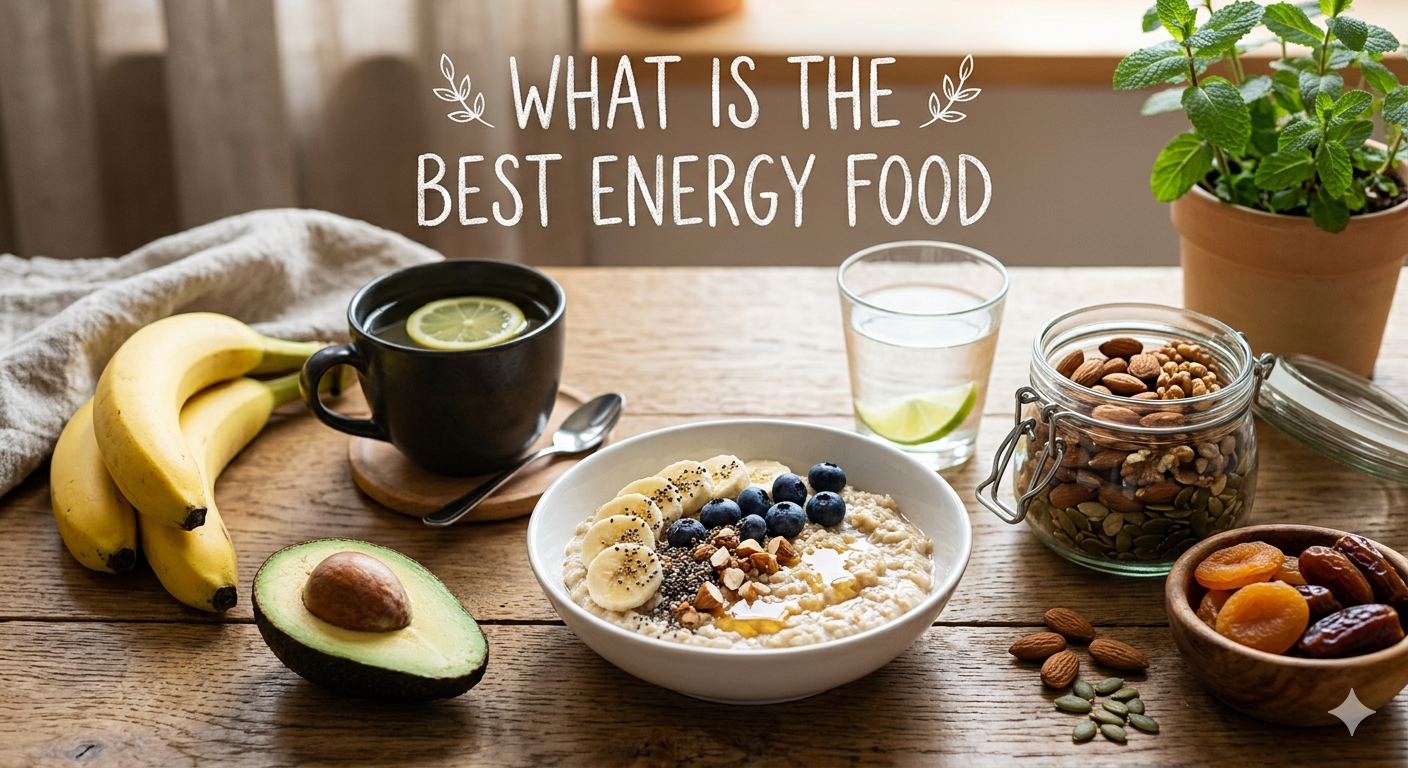
The question of what is the best energy food comes up constantly in conversations about health and productivity, and for good reason. Fatigue is one of the most common complaints doctors hear globally. Rather than turning to stimulants or processed snacks, understanding which foods genuinely fuel the body at a cellular level makes a profound difference. In this article, I share my personal journey alongside nutritional science to help you make the best choices every day.
Why Your Diet Is the Foundation of Daily Energy
Before we get into specific foods, it’s worth understanding why food matters so much for energy in the first place. Every cell in your body runs on adenosine triphosphate (ATP), a molecule produced through the metabolism of the nutrients you eat. Carbohydrates, proteins, and fats all contribute to ATP production but not equally, and not at the same speed.
When I started paying attention to what I ate for breakfast, my energy levels by mid-morning were dramatically different. Swapping a sugary pastry for oats with banana took about two weeks to feel like a habit, but the difference in sustained focus and mood was undeniable.
Important Note: Energy from food is not just about calories. Micronutrients like B vitamins, iron, and magnesium are equally critical for energy metabolism. A calorie-rich but nutrient-poor diet can still leave you exhausted.
The 10 Best Energy Foods (Backed by Science and My Own Kitchen)
Below are the ten foods I personally tested and researched extensively. These are not random selections; each one has a solid nutritional mechanism for sustaining energy throughout the day.
Oats
Complex carbs + beta-glucan = slow, steady glucose release. My go-to breakfast.
Bananas
Potassium, B6, and natural sugars. Nature’s fastest whole-food energy bar.
Eggs
Complete protein + B12 + choline. Fuels brain and muscle equally well.
Fatty Fish
Omega-3s + B vitamins convert food to usable energy, supporting brain function.
Chickpeas
Fiber, protein, B6, and complex carbs stabilize blood sugar for hours.
Spinach
Iron + magnesium = improved oxygen transport and energy metabolism.
Berries
Antioxidants reduce inflammation-related fatigue. Blueberries are my personal favorite.
Nuts & Seeds
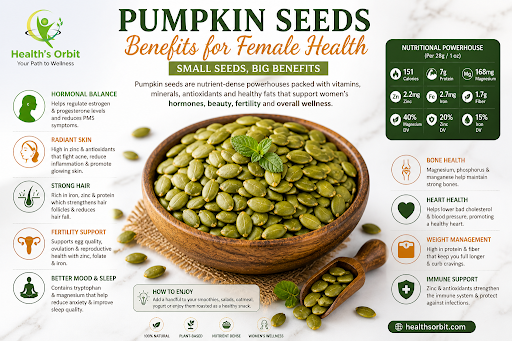
Healthy fats + protein + magnesium = prolonged, crash-free energy release.
Sweet Potatoes
Complex carbs + vitamin C + manganese support energy and immune function.
Dark Chocolate
Natural caffeine + flavonoids improve blood flow and mental alertness.
Oats: The Undisputed Champion of Morning Energy
If I had to pick a single best energy food from personal experience, oats would win. The beta-glucan fiber in oats forms a gel in the digestive tract, significantly slowing the absorption of glucose into the bloodstream. This means no spike, no crash, just steady, focused energy for three to four hours. Oats also contain B vitamins, which are essential co-factors for converting carbohydrates into ATP. I eat steel-cut or old-fashioned oats specifically not the instant variety, which tends to have a higher glycemic index.
My Tip: Make overnight oats with chia seeds, banana slices, and a tablespoon of almond butter. This combination gives you complex carbs, healthy fats, protein, and potassium in one bowl a genuinely complete energy meal.
Eggs: The Most Underrated Energy Food I Know
I used to skip eggs entirely, thinking they were just a high-cholesterol food. That was a mistake. Eggs contain every essential amino acid your body needs, and research consistently shows that complete-protein foods improve satiety and sustained energy more effectively than incomplete protein sources. The vitamin B12 in eggs is particularly valuable if you follow a plant-leaning diet, as B12 deficiency is one of the most common and overlooked causes of chronic fatigue. Three eggs give you roughly 75% of your daily B12 requirement alongside 18 grams of high-quality protein.
Energy Impact: A Quick Visual Score
Sustained Energy Rating (Personal + Nutritional Score, out of 10)
| Oats |
| 9.5 |
| Eggs |
| 9 |
| Fatty Fish |
| 8.8 |
| Chickpeas |
| 8.5 |
| Sweet Potato |
| 8.2 |
| Banana |
| 8 |
| Nuts & Seeds |
| 8 |
| Berries |
| 7.5 |
| Spinach |
| 7.2 |
| Dark Chocolate |
| 6.5 |
Nutritional Breakdown: What Makes Each Food Work
Understanding the specific nutrients behind each food helps you choose strategically based on what your body actually needs. Here is a detailed breakdown of the key energy nutrients in each of our top ten picks.
| Food | Key Energy Nutrients | Energy Type | Best For | GI Level |
| Oats | Beta-glucan, B vitamins, iron | Slow-release carbs | All-day focus | Low GI |
| Eggs | Complete protein, B12, choline | Protein-based sustained | Brain + muscle | Low GI |
| Fatty Fish | Omega-3, B vitamins, selenium | Fat + protein sustained | Cognitive energy | Low GI |
| Banana | Potassium, B6, natural sugars | Quick + sustained | Pre-workout boost | Medium GI |
| Chickpeas | Fiber, protein, B6, iron | Slow-release carbs | Blood sugar control | Low GI |
| Spinach | Iron, magnesium, vitamin C | Micronutrient support | Oxygen transport | Low GI |
| Berries | Antioxidants, vitamin C, K | Anti-fatigue support | Inflammation reduction | Low GI |
| Nuts & Seeds | Healthy fats, protein, magnesium | Slow-release fat | Long-haul endurance | Low GI |
| Sweet Potatoes | Complex carbs, vitamin C, manganese | Sustained carbs | Post-workout recovery | Medium GI |
| Dark Chocolate | Caffeine, flavonoids, iron | Quick cognitive boost | Afternoon slump | Low GI |
Comparison Table: Best Energy Food for Your Goal
One of the most common mistakes people make when choosing energy foods is picking one that doesn’t match their specific need. A food that’s brilliant before a workout may be suboptimal for a focused work session. This comparison table helps you match your goal to the right best energy food.
| Your Goal | Best Food Choice | Why It Works | When To Eat | Budget Level |
| All-day focus (work/study) | Oats + eggs | Slow glucose + complete protein = sustained mental clarity | Morning | Low cost |
| Pre-workout energy | Banana + peanut butter | Fast carbs + fat = immediate fuel without GI distress | 30–45 min before | Low cost |
| Post-workout recovery | Eggs + sweet potato | Protein repairs muscle; carbs replenish glycogen stores | Within 45 min after | Low cost |
| Afternoon slump fix | Dark chocolate + nuts | Flavonoids + natural caffeine + healthy fat = gentle stimulation | 2–4 pm | Moderate |
| Brain/cognitive energy | Fatty fish + berries | Omega-3s + antioxidants protect neurons and enhance focus | Lunch | Moderate |
| Fatigue from iron deficiency | Spinach + chickpeas | Plant iron + vitamin C = improved absorption and oxygen delivery | Any meal | Low cost |
| Quick on-the-go energy | Banana or trail mix | Portable, no prep, fast-acting natural sugars + fats | Any time | Low cost |
| Long endurance activity | Oats + chia seeds | Chia improves oxygen utilization; oats give steady glucose | 2 hrs before | Low cost |
What to Avoid: Foods That Steal Your Energy
Just as important as knowing what the best energy food is, understanding which foods drain your energy is crucial. In my own experience, cutting back on these made almost as much difference as adding the beneficial ones. Highly refined carbohydrates white bread, pastries, and sweetened cereals cause a rapid blood sugar spike followed by an equally rapid crash. This roller-coaster effect leaves you feeling worse than before you ate. Sugary drinks, including most commercial energy drinks, follow the same pattern.
Ultra-processed foods are also problematic because they tend to be calorie-dense but micronutrient-poor. Your body needs those micronutrients to run the enzymes that produce energy. Eating a diet high in processed food is a bit like putting cheap, dirty fuel into a precision engine. It might technically run, but it won’t run well.
Remember: Alcohol is among the most overlooked energy disruptors. Even moderate consumption interferes with deep sleep stages, meaning you wake up nutritionally fed but physiologically exhausted despite a full night in bed.
Meal Timing: When You Eat Matters as Much as What You Eat
Through my own experimentation, I found that the timing of my energy food intake was as significant as the food itself. Eating a large, heavy meal close to important work or a workout simply didn’t work. Blood flow prioritizes digestion, leaving me sluggish. Smaller, more frequent meals spaced roughly three to four hours apart kept my energy remarkably stable throughout the day.
Research on meal timing supports this pattern. Consuming complex carbohydrates and lean protein at breakfast jumpstarts metabolism and cortisol regulation, while a protein-rich lunch prevents the classic 2 pm slump. A light, nutrient-dense dinner focused on vegetables and healthy fats allows the body to transition smoothly into recovery mode without overloading the digestive system during sleep.
Personal Tip: I stopped eating within two hours of bed and noticed my morning energy improved significantly within a week not because of what I was eating, but when I stopped. Good digestion during sleep equals better recovery energy upon waking.
Final Thoughts
After months of experimenting, journaling, and reading the science, I can say with confidence that there is no single magic best energy food. What there is, however, is a clear hierarchy of whole foods that work with your body’s chemistry rather than against it. Oats, eggs, and fatty fish are my personal daily anchors. Bananas, dark chocolate, and nuts show up when I need targeted, time-sensitive support.
The most important shift was moving away from thinking about energy as something I could get from a drink or a supplement, toward understanding it as the direct output of how well I nourish myself throughout the day. Good food is the best energy investment you can make and unlike most investments, the returns start showing up within days.
Frequently Asked Questions
What is the single best energy food you can eat every day?
Oats are widely considered the best energy food for daily consumption. They provide complex carbohydrates, beta-glucan fiber, iron, and B vitamins that deliver slow, sustained energy without blood sugar spikes. Steel-cut or rolled oats eaten at breakfast support focus and stamina for three to four hours.
Which energy food works fastest when you need an immediate boost?
A banana is the fastest whole-food energy option. Its natural sugars glucose, fructose, and sucrose are rapidly absorbed, while its potassium and B6 content support muscle function and brain activity. Pair it with a small amount of nut butter for a quick boost that also lasts longer.
What are the best energy foods for people with low iron?
Spinach and chickpeas are the best energy foods for iron-deficient individuals. Both are rich in non-heme iron, and when combined with vitamin C-containing foods (like lemon juice or bell peppers), iron absorption increases significantly. Iron deficiency is one of the most common nutritional causes of fatigue.
Are energy drinks a good alternative to energy foods?
No. Most commercial energy drinks provide a short stimulant spike from caffeine and sugar, followed by a rebound crash. Unlike whole foods, they offer no sustained nutrition, and their high sugar content can worsen long-term energy regulation. Whole foods like oats, eggs, and fatty fish provide lasting, crash-free fuel with genuine nutritional benefit.
How many energy-boosting foods should I eat per day for optimal results?
Aim to include at least three to five energy-supporting foods across your daily meals. A practical approach is to anchor each meal around one complex carbohydrate source, one lean protein, and one micronutrient-rich vegetable or fruit. This combination naturally covers the B vitamins, iron, magnesium, and macronutrients your body needs to produce consistent cellular energy.