

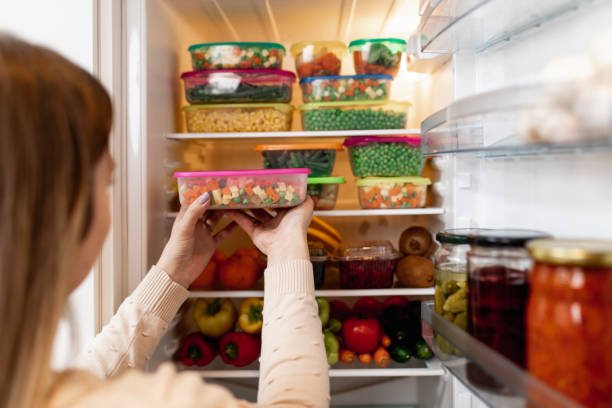
Life gets busy. Between work, family, and everything else pulling at your time, cooking a nutritious meal from scratch every single day can feel impossible. That’s exactly where healthy frozen meals come in. Once dismissed as bland, sodium-packed convenience food, today’s frozen dinner options have completely transformed. Modern choices are carefully crafted with whole ingredients, balanced macros, and real nutritional value. If you’ve been curious about whether these convenient options can genuinely support your wellness goals, this article will give you everything you need to know from what they are and how they work, to their real benefits and a few things to watch out for.
What Are Healthy Frozen Meals?
Healthy frozen meals are pre-cooked, nutritionally balanced dishes that are flash-frozen to preserve freshness and then reheated before eating. Unlike traditional frozen dinners loaded with preservatives, artificial flavors, and excessive sodium, these options are designed with clean ingredients, sensible portion sizes, and macronutrient balance in mind.
They typically include a source of lean protein such as grilled chicken, fish, legumes, or tofu paired with complex carbohydrates like brown rice, quinoa, or sweet potato, and a generous serving of vegetables. Many brands now cater to specific dietary needs as well, offering frozen options that are gluten-free, dairy-free, vegan, keto-friendly, or low-calorie. The variety available today is genuinely impressive, and the quality has never been better.
How Do They Work?
The science behind these convenient meals is straightforward. After the meal is cooked and portioned, it undergoes a process called flash-freezing, where the temperature is rapidly dropped to very low levels. This process locks in nutrients, flavor, and texture far more effectively than slow freezing. It also eliminates the need for many chemical preservatives, since the cold itself prevents bacterial growth.
When you’re ready to eat, most frozen options can be microwaved in three to five minutes or heated in an oven for a slightly better texture. The convenience factor is a major part of their appeal. You get a complete, ready-to-eat meal without any prep time, cooking skill, or cleanup and when you choose wisely, you get solid nutrition along with it.
Key Benefits of Choosing Nutritious Frozen Options
There are many compelling reasons why healthy frozen meals have become a staple for health-conscious people around the world. Let’s explore the most important ones.
Convenience Without Sacrificing Nutrition
The most obvious benefit of these frozen options is how much time they save. For busy professionals, students, parents, or anyone with a packed schedule, having a nutritious meal ready in minutes is genuinely life-changing. The best part is that convenience no longer has to mean compromise. Many of these products are formulated by dietitians and nutritionists to meet specific calorie, protein, and micronutrient targets so you’re not just saving time, you’re also fueling your body well.
Excellent for Portion Control and Weight Management
One of the underrated advantages of pre-portioned frozen dinners is built-in portion control. Every meal comes in a fixed size with clearly labeled nutrition information. This makes it far easier to track calories, protein, and carbohydrates, something that’s much harder to do when cooking at home without precise measurements. For people trying to lose weight or maintain a healthy body composition, these meals take a lot of the guesswork out of eating right.
Long Shelf Life Reduces Food Waste
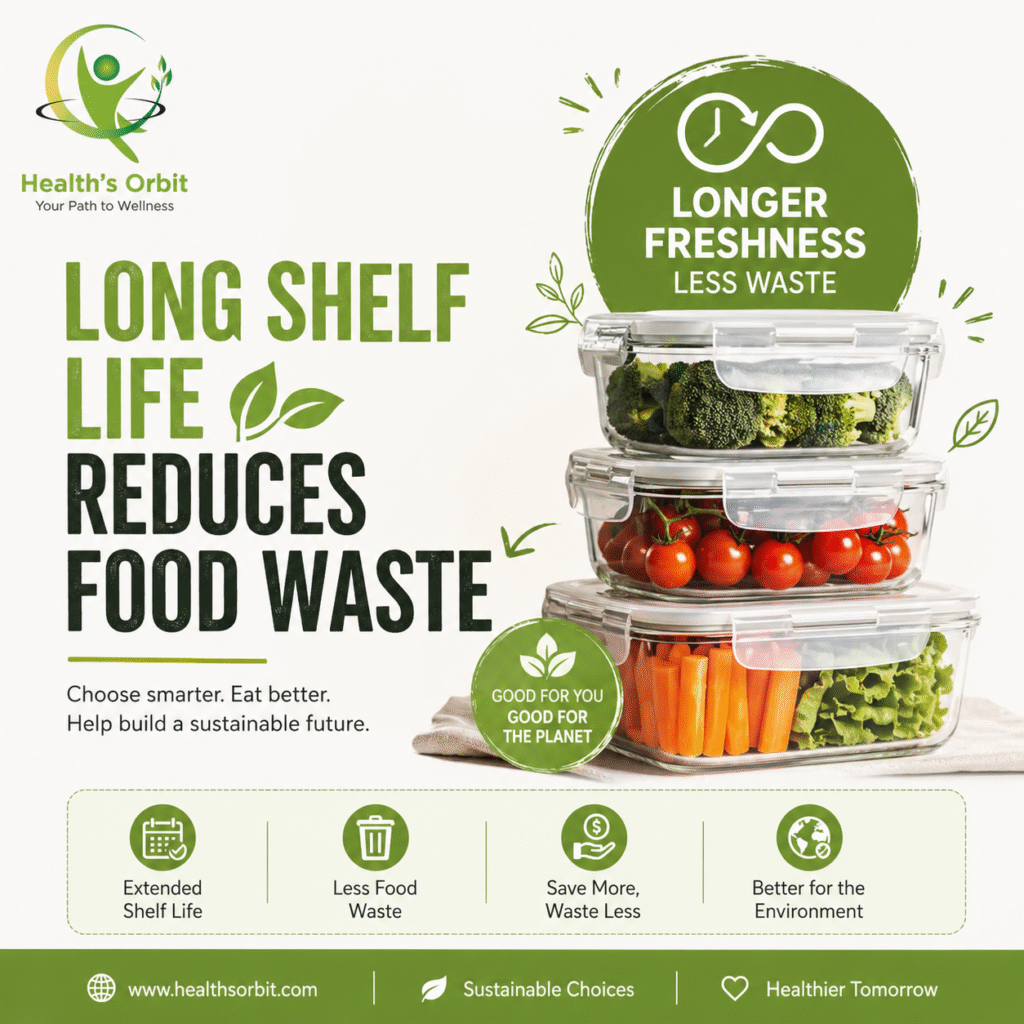
Fresh produce and proteins spoil quickly, which leads to both financial waste and frustration. Frozen options, on the other hand, can last months in the freezer without losing their nutritional value. This makes them an economical and practical choice. You can stock up during a sale, keep a variety of options on hand, and always have something nourishing available even when your fresh groceries run out.
Supports Consistent Healthy Eating Habits
Consistency is one of the hardest parts of maintaining a balanced diet. When you’re tired, stressed, or short on time, it’s easy to reach for fast food or skip a proper meal altogether. Keeping healthy frozen meals stocked in your freezer solves this problem by giving you a reliable fallback option that’s still aligned with your health goals. Having that safety net available makes a real difference over the long run.
Wide Variety for Different Dietary Needs
Today’s market for nutritious frozen dinners is incredibly diverse. Whether you follow a vegan, paleo, Mediterranean, or low-carb lifestyle, there are options tailored to your preferences. This variety makes frozen options a flexible tool for almost any dietary approach, rather than a one-size-fits-all solution.
Quick Reference: What to Look for in a Healthy Frozen Meal
Not every frozen meal labeled “healthy” lives up to that promise. Use this guide to make smarter choices at a glance:
| Feature | What to Look For | Why It Matters |
| Protein Content | Minimum 15–20g per serving | Supports muscle repair and keeps you full |
| Sodium Level | Under 600–700mg per serving | High sodium linked to blood pressure issues |
| Ingredient Quality | Whole, recognizable ingredients | Avoid long lists of additives or preservatives |
| Vegetable Serving | At least 1 cup of vegetables | Ensures fiber and micronutrient intake |
| Calorie Range | 300–500 kcal per meal | Fits most weight management goals |
| Dietary Labels | Gluten-free, vegan, keto, etc. | Match your specific health or lifestyle needs |
| Added Sugar | Less than 5g per serving | Excess sugar undermines health benefits |
| Carbohydrate Source | Brown rice, quinoa, sweet potato | Complex carbs for sustained energy |
Are There Any Downsides?
While healthy frozen meals offer many benefits, it’s important to go in with realistic expectations. Not every frozen meal labeled “healthy” actually lives up to that claim. Some products still contain high levels of sodium, which can be a concern for people managing blood pressure. Others may include added sugars, low-quality oils, or a disappointing amount of vegetables despite the healthy-sounding packaging.
Additionally, these meals are designed to be convenient supplements to your diet not permanent replacements for all home cooking. Relying on them exclusively means you may miss out on the benefits of cooking fresh, whole foods, which generally offer more fiber, more variety, and a broader range of micronutrients. The key is balance. Use these frozen options as a smart tool, not your entire strategy.
Some people also find the texture of certain frozen dinners less satisfying than freshly cooked food, particularly when it comes to vegetables and proteins that don’t reheat as well. Choosing oven-ready options or brands known for better quality can help address this.
Who Should Consider Them?
Healthy frozen meals are a great fit for a wide range of people. Busy professionals who don’t have time to cook every night will benefit enormously. Students living away from home for the first time and still developing their cooking skills can use these convenient options to eat well without much effort. People recovering from illness or surgery who need easy, nutritious food also stand to gain a lot. Seniors living alone who find cooking for one impractical will find frozen dinners both convenient and cost-effective. Even dedicated home cooks can benefit from keeping a few of these options around for unpredictable days when a planned meal simply doesn’t happen.
Conclusion
Healthy frozen meals have come a long way from their reputation as nutritionally empty convenience food. Today, they represent a genuine, science-backed option for eating well on a busy schedule. From their nutrient-preserving flash-freeze technology to their built-in portion control and incredible variety, these frozen options offer real advantages for real people living real lives. The key is to choose wisely to read labels, prioritize meals with whole ingredients, manageable sodium levels, and balanced macros. When used thoughtfully, they can be one of the most practical tools in your wellness toolkit.
Frequently Asked Questions
Q.1 Are healthy frozen meals actually good for you?
Yes when chosen carefully, these meals can provide balanced nutrition, controlled portions, and clean ingredients that genuinely support a healthy diet.
Q.2 How much sodium should I look for in frozen dinners?
Aim for options with less than 600–700mg of sodium per serving, as high sodium intake is one of the most common downsides of convenience food.
Q.3 Can frozen meals help with weight loss?
Their pre-portioned servings and clear nutrition labels make calorie tracking much easier, which is a significant advantage for anyone managing their weight.
Q.4 Are frozen dinners safe to eat every day?
Eating them daily is generally safe, but it’s best to rotate with fresh home-cooked meals to ensure a broader range of nutrients and dietary variety.
Q.5 What should I look for when buying nutritious frozen options?
Look for meals with recognizable whole-food ingredients, at least 15–20 grams of protein, a good serving of vegetables, and limited added sugar and artificial additives.