

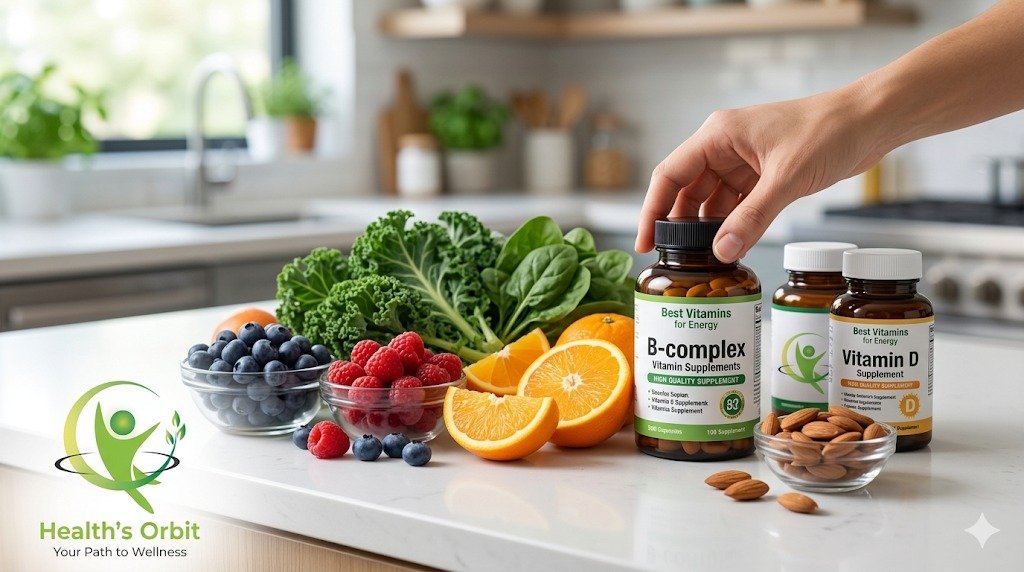
Calories from food provide your body with fuel, vitamins and minerals are the essential spark plugs that convert that fuel into usable energy. If you are feeling constantly drained, a nutrient deficiency might be the silent culprit.
In this guide, we explore the best vitamins for energy, how they work at a cellular level, and how to identify if you need a supplement to reclaim your vitality.
1. Vitamin B12 and the B-Complex Family
The B-complex vitamins are often called the energy vitamins because their primary role is to help your body metabolize carbohydrates, proteins, and fats into adenosine triphosphate (ATP) , the body’s energy currency.
Vitamin B12 (Cobalamin)
Vitamin B12 is crucial for the formation of red blood cells, which transport oxygen throughout the body. Without enough B12, your cells become oxygen-deprived, leading to a condition known as megaloblastic anemia, characterized by extreme weakness.
- Best for: Vegans, vegetarians, and older adults who may have difficulty absorbing B12 from food.
- Top Food Sources: Beef, clams, fortified cereals, and nutritional yeast.
Other B-Vitamins
- Vitamin B6 (Pyridoxine): Helps the body use and store energy from protein and carbohydrates.
- Vitamin B1 (Thiamine): Essential for glucose metabolism.
- Vitamin B3 (Niacin): Supports mitochondrial function (the powerhouse of the cell).
2. Vitamin D: The Sunshine Vitamin
Recent research in 2026 continues to highlight the link between low Vitamin D levels and chronic fatigue. Vitamin D receptors are found in the mitochondria, suggesting that this vitamin plays a direct role in how muscles and cells generate energy.
Low levels of Vitamin D are also linked to seasonal affective disorder (SAD) and depression, both of which can manifest as physical lethargy.
- Best for: People living in northern latitudes, office workers, or those with darker skin tones.
- Evidence: A 2024 meta-analysis showed that correcting Vitamin D deficiency significantly improved energy scores in patients with fatigue.
3. Iron: The Oxygen Carrier
Iron is not a vitamin, but it is one of the most critical minerals for energy. It is a key component of hemoglobin. If your iron levels are low, your blood cannot effectively carry oxygen to your brain and muscles, resulting in brain fog and physical exhaustion.
- Iron Deficiency Anemia: This is one of the most common causes of fatigue worldwide, particularly in women of childbearing age.
- Pro Tip: Always take iron with a source of Vitamin C (like orange juice) to enhance absorption.
4. Magnesium for Cellular Repair
Magnesium is involved in over 300 biochemical reactions in the body, including the synthesis of ATP. If you are low in magnesium, your body has to work harder to perform basic functions, which depletes your energy reserves faster.
- Symptoms of Low Magnesium: Muscle cramps, restless legs, and difficulty sleeping.
- Top Food Sources: Pumpkin seeds, spinach, almonds, and dark chocolate.
5. Coenzyme Q10 (CoQ10)
CoQ10 is a naturally occurring antioxidant found in every cell of the body. It is vital for the electron transport chain, the process that generates 95% of your cellular energy. As we age, our natural production of CoQ10 declines, which can lead to increased tiredness.
- Best for: Older adults and individuals taking statin medications (which can deplete CoQ10 levels).
How to Choose the Best Energy Supplement
When looking for the “best vitamins for energy,” keep these three SEO-backed tips in mind to ensure safety and efficacy:
Check for Third-Party Testing
Since the FDA does not regulate supplements the same way as drugs, look for labels with NSF Certified for Sport or USP seals. These ensure the product contains what it claims and is free of contaminants.
Identify Your Specific Deficiency
Taking a B12 supplement won’t help your energy if your fatigue is actually caused by an iron deficiency.
Experience Tip: Before starting any regimen, request a “Full Micronutrient Panel” from your healthcare provider to pinpoint exactly what your body is missing.
Bioavailability Matters
Methylcobalamin vs Cyanocobalamin: Which Vitamin B12 is Best?
Look for active forms of vitamins, such as Methylcobalamin (for B12) and Methylfolate (for B9). These are “pre-converted” forms that the body can use immediately without further processing.
Summary Table: Best Nutrients for Energy
| Nutrient | Primary Function | Signs of Deficiency |
| Vitamin B12 | Red blood cell production | Tingling in hands, pale skin |
| Vitamin D | Mitochondrial support | Bone pain, low mood |
| Iron | Oxygen transport | Shortness of breath, cold hands |
| Magnesium | ATP synthesis | Muscle twitches, insomnia |
| CoQ10 | Cellular energy production | General muscle weakness |
Conclusion
The best vitamins for energy are the ones your body is currently lacking. For most people, a combination of B-Complex, Vitamin D, and Magnesium provides the foundation for sustained vitality. However, supplements are only one piece of the puzzle. Ensure you are also prioritizing 7–9 hours of sleep, staying hydrated, and managing stress to truly optimize your energy levels.
FAQs
Which vitamin gives the fastest energy boost?
Vitamins are not stimulants like caffeine; they take time to work. However, if you have a severe B12 or Iron deficiency, you may feel an improvement in energy within 1 to 4 weeks of consistent supplementation.
Can I take too many vitamins for energy?
Yes. Fat-soluble vitamins (A, D, E, and K) can build up to toxic levels in the body. Water-soluble vitamins like B and C are generally excreted in urine, but excessive doses can still cause digestive upset or nerve issues.
Is it better to get vitamins from food or pills?
The “Food First” approach is always recommended. Whole foods contain fiber and phytonutrients that help vitamins work more effectively. Supplements should be used to “plug the gaps” that diet cannot fill.