

When it comes to nature’s most convenient snack, the banana reigns supreme. Whether you are an athlete looking for a quick energy boost or someone tracking their daily intake, understanding the calories in a banana is essential for maintaining a balanced diet.
In this comprehensive guide, we will break down the nutritional profile of bananas, explore how their calorie count changes with size, and discuss why this fruit is a staple in both weight loss and muscle-building regimens.
How Many Calories in a Banana?
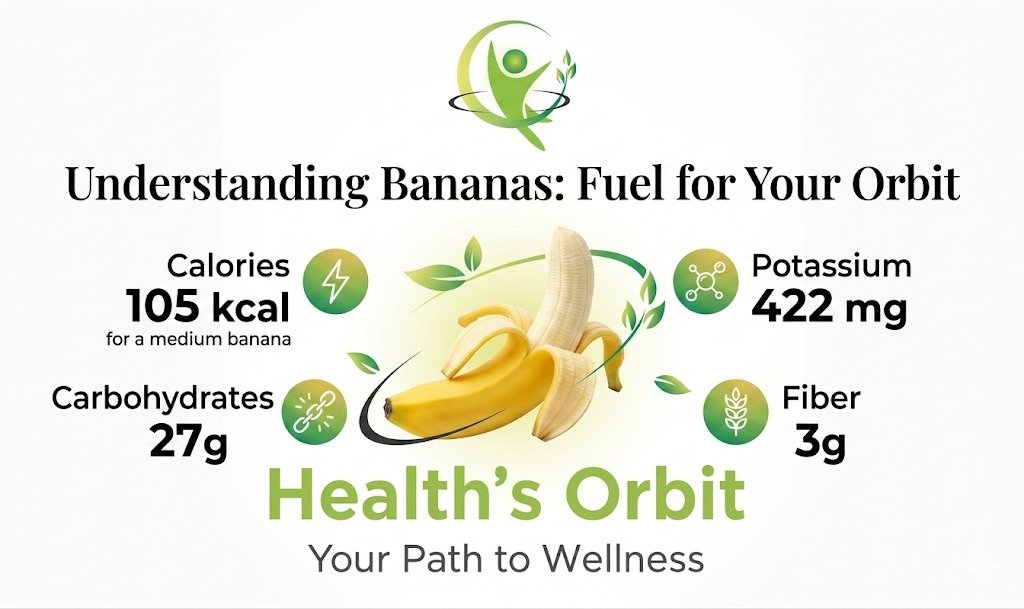
On average, a medium sized banana consists of approximately 105 calories. However, because bananas vary significantly in size, the actual number can range from 72 to 135 calories.
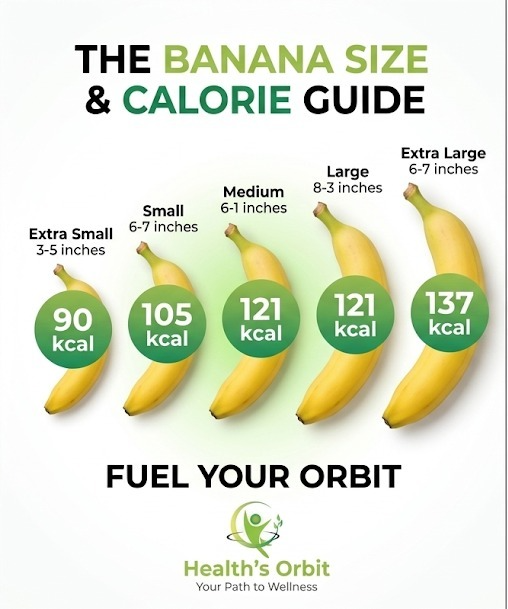
To help you track your macros accurately, here is a breakdown of the banana calories based on standard sizes:
- Extra Small (less than 6 inches): 72 calories
- Small (6–7 inches): 90 calories
- Medium (7–8 inches): 105 calories
- Large (8–9 inches): 121 calories
- Extra Large (9 inches or longer): 135 calories
- Sliced (1 cup): 134 calories
- Mashed (1 cup): 200 calories
While the calorie count is important, it is the quality of these calories that makes the banana a nutritional powerhouse. Most of the energy in a banana comes from carbohydrates, with very little protein and almost zero fat.
Nutritional Composition of a Banana
Understanding the calories in a banana requires looking beyond the number on the scale. Bananas are packed with essential vitamins and minerals that support heart health, digestion, and energy levels.
Carbohydrates and Fiber
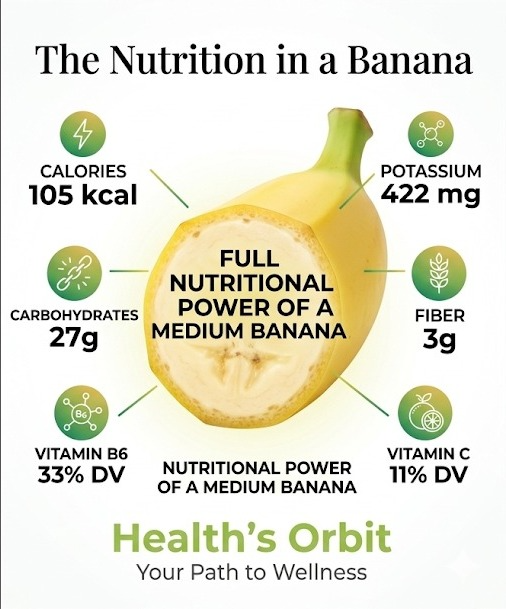
A medium banana holds almost 27g of carbohydrates. This includes sugars (glucose, fructose, and sucrose) and fiber. A single medium banana provides about 3 grams of dietary fiber, which helps regulate digestion and keeps you feeling full longer.
Essential Vitamins and Minerals
Bananas are famous for their potassium content, but they offer much more:
- Potassium: 422 mg (9% of the Daily Value)
- Vitamin B6: 33% of the Daily Value
- Vitamin C: 11% of the Daily Value
- Magnesium: 8% of the Daily Value
Potassium is an important electrolyte that helps to maintain liquid levels in the body and regulates the movement of nutrients and waste products in and out of cells.
Does Ripeness Affect the Calories in a Banana?
A common question among health enthusiasts is whether a green banana has fewer calories than a spotted, yellow one. Technically, the total calories in a banana remain relatively constant as it ripens, but the type of calories changes.
Green vs. Ripe Bananas
- Unripe (Green) Bananas: These are high in resistant starch. Resistant starch acts like fiber; it passes through the small intestine undigested and feeds the healthy bacteria in your gut. This can lead to a smaller glycemic response.
- Ripe (Yellow/Spotted) Bananas: As the fruit matures, enzymes convert the starch into simple sugars (sucrose, glucose, and fructose). This makes the banana taste sweeter and makes the energy more readily available for a quick burst of fuel.
If you are managing blood sugar levels, opting for slightly under-ripe bananas might be more beneficial, even if the total calories in a banana are the same.
Bananas and Weight Loss: Friend or Foe?
Many people avoid bananas when dieting because of their relatively high carb and sugar content compared to berries or melons. However, the calories in a banana are accompanied by high satiety levels.
The Satiety Factor
Because bananas contain a good amount of fiber and resistant starch, they are more filling than many other processed snacks that have the same number of calories. Eating a banana as a mid afternoon snack can prevent overeating during dinner, making it a valuable tool for weight management.
Low in Fat, High in Volume
With virtually no fat and a high water content, bananas allow you to consume a significant volume of food for relatively few calories. This is a core principle of volume eating,where the goal is to feel physically full while maintaining a calorie deficit.
The Role of Bananas in Fitness and Muscle Building
Athletes often turn to the banana calories as a primary source of fuel. There is a reason you see professional tennis players or marathon runners snacking on them mid match.
Pre-Workout Fuel
The simple sugars in a ripe banana provide a quick spike in energy, while the complex carbs offer a more sustained release. This combination makes it an ideal pre-workout snack about 30 to 60 minutes before hitting the gym.
Post-Workout Recovery
After a workout, your body needs to restock glycogen stores. Pairing the calories in a banana with a protein source (like a protein shake or Greek yogurt) can speed up muscle recovery. Additionally, the potassium helps prevent muscle cramps and soreness caused by electrolyte imbalances.
How to embed Bananas into a Healthy Diet
If you are worried about the banana calories adding up, the key is moderation and smart pairings. Here are a few ways to enjoy bananas without overdoing your calorie limit:
- The Smoothie Base: Use a frozen banana to give smoothies a creamy texture without needing dairy or added sugars.
- Oatmeal Topping: Slice a small banana over your morning oats to add natural sweetness and fiber.
- Healthy Baking: Use mashed bananas as a substitute for oil or butter in muffin and pancake recipes.
- Nut Butter Pairing: A classic snack is a banana with a tablespoon of almond or peanut butter. The healthy fats and protein from the nut butter slow down the absorption of the banana’s sugars.
Are There Any Downsides to Eating Bananas?
While the calories in a banana are generally healthy, they may not be suitable for everyone in large quantities.
- Diabetes Management: Because bananas are higher in carbs, people with diabetes should monitor their intake and for smaller sizes or less ripe versions to avoid sharp blood sugar spikes.
- Kidney Issues: Individuals with advanced kidney disease may need to limit potassium-rich foods, as their kidneys might struggle to filter excess potassium from the blood.
For the average healthy adult, eating one to two bananas a day is perfectly fine and highly recommended by nutritionists.
Conclusion
The calories in a banana provide far more than just energy. This fruit is a dense source of micronutrients and fiber that supports everything from heart health to digestive regularity. While a medium banana has about 105 calories, its ability to keep you full and provide clean, natural energy makes it a superior choice to any processed 100-calorie snack pack.
Whether you are eating them for weight loss, athletic performance, or simply because you love the taste, bananas are a nutritional gem. By understanding the banana calories and how size and ripeness play a role, you can easily fit this versatile fruit into your daily wellness routine.
FAQs
How many calories are in a medium-sized banana?
A medium-sized banana typically contains approximately 105 calories.
Do green bananas have fewer calories than yellow ones?
The total calories in a banana remain the same, but green bananas contain more digestion-resistant starch.
Can eating the calories in a banana help with weight loss?
Yes, the high fiber content helps increase satiety and prevents overeating throughout the day.
How many calories in a banana are derived from fat?
Bananas are virtually fat-free, with less than half a gram of fat per serving.
Is the potassium in a banana beneficial for athletes?
Potassium is a key electrolyte that helps prevent muscle cramps and supports recovery after exercise.