

If you have been struggling to shed stubborn fat despite eating well and exercising regularly, you may have come across the term lipotropic injections. These specialized shots are gaining attention in wellness clinics and weight loss programs across the world. However, many people are still unsure about what they actually contain, how they function in the body, and whether they are a safe and effective option. This article breaks down everything you need to know in a clear, easy-to-understand way.
What are lipotropic injections?
Lipotropic injections are a type of supplemental injection designed to support the body’s natural fat-burning processes. The word “lipotropic” comes from the Greek roots meaning “fat” and “to move toward,” which perfectly describes their purpose. These injections typically contain a combination of vitamins, amino acids, and other nutrients that work together to help the liver break down and metabolize fat more efficiently.
The most common ingredients found in this treatment include methionine, inositol, choline, and vitamin B12. Some formulations also include additional B vitamins such as B6, B1, and B complex, along with amino acids like L-carnitine. Each of these components plays a specific role in supporting liver function and enhancing the body’s ability to process dietary fat. Together, they form what is often called a “MIC injection,” referring to the three core compounds: methionine, inositol, and choline.
The table below provides a quick overview of the key ingredients found in a typical lipotropic injection and their primary roles in the body:
| Ingredient | Type | Primary role | Additional benefit |
| Methionine | Amino acid | Prevents fat buildup in the liver | Supports antioxidant production |
| Inositol | Sugar alcohol | Regulates fat metabolism at cellular level | Improves insulin sensitivity |
| Choline | Essential nutrient | Transports fat out of the liver | Supports brain and nerve function |
| Vitamin B12 | Water-soluble vitamin | Boosts energy production | Supports red blood cell formation |
| L-Carnitine | Amino acid derivative | Carries fatty acids into cells for energy | Enhances exercise performance |
| Vitamin B6 | Water-soluble vitamin | Supports protein and fat metabolism | Regulates mood and sleep |
How do these injections work?
To understand the mechanism, it helps to know the role the liver plays in fat metabolism. The liver is responsible for processing and transporting fat throughout the body. When the liver is overburdened or deficient in certain nutrients, fat can accumulate and become harder to lose. This treatment provides the liver with the tools it needs to function at its best.
The role of key nutrients
Methionine is an essential amino acid that helps prevent fat from building up in the liver. It also supports the production of other important compounds that assist in fat breakdown. Inositol, a type of sugar alcohol, supports insulin sensitivity and helps regulate fat metabolism at the cellular level. Choline, meanwhile, is critical for the transport of fats out of the liver and into the bloodstream, where they can be used for energy.
Vitamin B12 plays a particularly important role in energy production. Many people, especially those following vegetarian or vegan diets, are deficient in B12. Delivering it through an injection rather than oral supplementation ensures that the body absorbs it directly and efficiently. This often leads to noticeable improvements in energy levels, which in turn supports more active lifestyles and better workout performance.
Benefits of this treatment

Lipotropic injections offer several potential benefits, particularly when used as part of a comprehensive weight management plan. First and foremost, they can accelerate fat metabolism, helping the body burn through fat stores more quickly than it would otherwise. This makes them a valuable option for individuals who have hit a weight loss plateau and need an extra boost to keep progressing.
In addition to fat-burning properties, this therapy is often associated with increased energy levels and improved mood. Because many of the ingredients support the nervous system and metabolic function, people who receive these shots frequently report feeling more alert and motivated. Furthermore, the treatment may help reduce fat accumulation in the liver, which can be beneficial for people at risk of fatty liver disease.
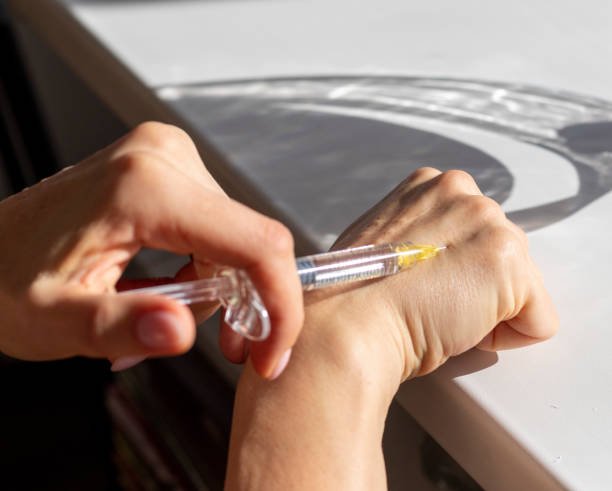
Another notable advantage is the speed and efficiency of nutrient delivery. Since the compounds are injected directly into the muscle, they bypass the digestive system entirely. This means the body receives a higher concentration of active nutrients compared to oral supplements, where much of the content can be lost during digestion.
Possible side effects and risks
Like any medical treatment, lipotropic injections are not without potential side effects. Most people tolerate them well, but some may experience mild discomfort at the injection site, including redness, swelling, or tenderness. In rare cases, individuals may have allergic reactions to one or more of the ingredients.
Other reported side effects include gastrointestinal discomfort, fatigue, or mild headaches, particularly in the first few days of use. It is also worth noting that this therapy is not a standalone solution. It works best when combined with a balanced diet and regular physical activity. Relying on shots alone without addressing lifestyle habits is unlikely to produce lasting results.
Therefore, it is essential that anyone considering this treatment consults with a qualified healthcare provider first. A doctor or licensed practitioner can assess your health history, identify any contraindications, and create a personalized plan that safely incorporates the therapy into your wellness routine.
Who should consider lipotropic injections?
This treatment may be a good fit for a specific group of people. Lipotropic injections are most commonly recommended for adults who are trying to lose weight and have not achieved their desired results through diet and exercise alone. They are also frequently used by individuals experiencing fatigue related to B12 deficiency, or those who want to support liver health as part of a broader wellness program.
That said, this option is not suitable for everyone. Pregnant or breastfeeding women should avoid it unless specifically advised by a physician. People with kidney disease, liver conditions unrelated to fat accumulation, or known allergies to any of the ingredients should also proceed with caution. As always, professional medical guidance is the most important first step before starting any new health regimen.
Conclusion
Lipotropic injections can be a powerful addition to a well-rounded weight loss and wellness strategy. By delivering key nutrients directly into the bloodstream, they support the liver’s ability to metabolize fat, boost energy levels, and help the body function more efficiently. While they are not a magic solution, when used correctly and under professional supervision, these injections offer real, measurable benefits for those who qualify. If you are curious about whether this approach might be right for you, the best first step is a conversation with your healthcare provider.
FAQs
Q.1 How often should I get lipotropic injections?
Most healthcare providers recommend receiving them once or twice a week, depending on your individual health goals and the specific formulation being used.
Q.2 How long does it take to see results ?
Many people begin to notice increased energy within the first week. Visible fat loss results typically become more apparent after four to six weeks of consistent use alongside a healthy diet and exercise.
Q.3 Are lipotropic injections FDA-approved?
The individual ingredients , such as B12 and amino acids, are generally recognized as safe. However, the combined formulation itself is not specifically FDA-approved as a weight loss treatment.
Q.4 Can I get them if I am not trying to lose weight?
Yes. Some people use this treatment primarily for the energy-boosting effects of B12 or to support liver health, even if weight loss is not their primary goal.
Q.5 Do lipotropic injections hurt?
Most people experience only mild discomfort during the injection, similar to a standard vitamin shot. Any soreness at the injection site typically fades within a day or two.