


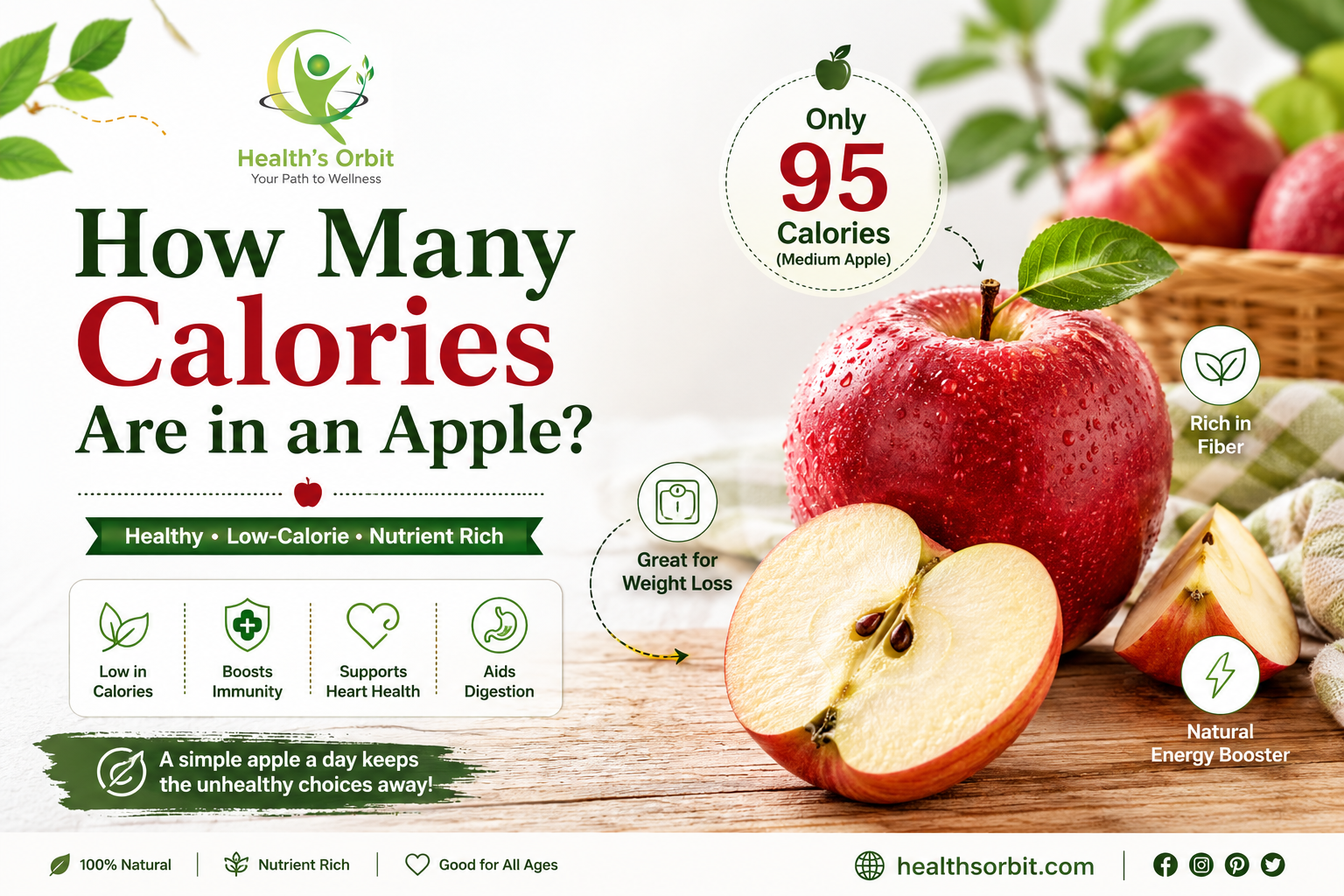
People ask how many calories are in an apple? every single day and it is one of the smartest nutrition questions you can ask. Apples are found in nearly every kitchen around the world. They are portable, affordable, naturally sweet, and incredibly versatile. Yet despite their popularity, most people have no idea how many calories they are actually consuming when they reach for one.
This article gives you a thorough, honest, and easy-to-follow answer. We will walk you through calorie counts by apple size and variety, a complete nutritional breakdown, proven health benefits, potential drawbacks, and practical tips for including apples in your daily diet. Whether you are on a weight-loss journey, managing a health condition, or simply trying to eat better, this guide has you covered.
How Many Calories Are in an Apple? The Direct Answer
The most direct answer to how many calories are in an apple? is this: a medium raw apple weighing around 182 grams contains approximately 95 calories. However, that number shifts depending on the size of the apple. A small apple (149g) delivers about 77 calories, and a large apple (223g) can contain up to 116 calories. These figures apply to unpeeled, raw apples with nothing added to them.
The variety of the apple has a smaller impact on calories than most people expect. Sweeter apples like Fuji or Gala sit slightly higher in calories, while tart varieties like Granny Smith are a little lower. But the difference is usually no more than 10 to 16 calories between types of the same size. So if calorie control is your priority, focusing on size matters far more than choosing a specific variety.
Apple Calories by Type and Size Detailed Comparison Table
The table below makes it simple to see exactly how many calories different apples contain, along with their fiber content, so you can make the best choice for your health goals:
| Apple Type | Serving Size | Calories | Fiber (g) |
| Small Apple | 149g | 77 kcal | 3.6g |
| Medium Apple | 182g | 95 kcal | 4.4g |
| Large Apple | 223g | 116 kcal | 5.4g |
| Gala Apple | 182g | 90 kcal | 4.0g |
| Granny Smith | 182g | 80 kcal | 4.6g |
| Fuji Apple | 182g | 96 kcal | 3.8g |
| Peeled Apple | 182g | 82 kcal | 2.1g |
As you can see, Granny Smith is the leanest option for calorie-conscious eaters, while Fuji apples are slightly higher. Peeling the apple removes a small amount of fiber and marginally reduces calories, but it also strips away many of the beneficial antioxidants found in the skin. Eating apples with their skin on is always the better nutritional choice.
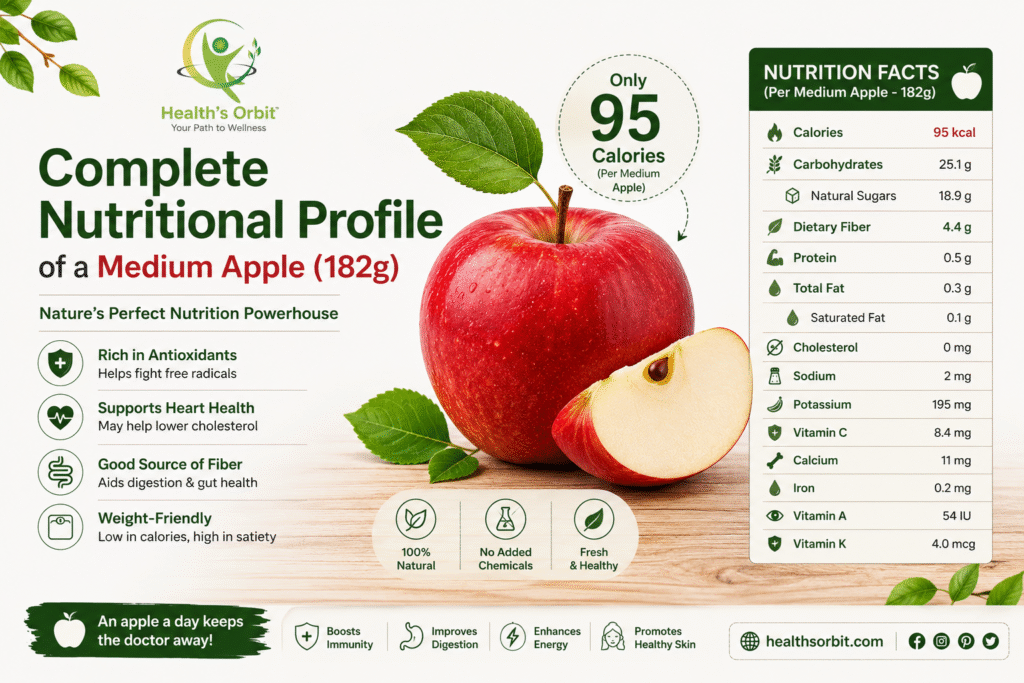
Complete Nutritional Profile of a Medium Apple (182g)
Macronutrients
Beyond just calories, a medium apple packs a surprisingly complete nutritional profile. Here is what you get with every medium apple you eat:
Calories: 95 kcal
Carbohydrates: 25g
Dietary Fiber: 4.4g
Natural Sugar: 19g
Protein: 0.5g
Fat: 0.3g
Water Content: ~86%
Key Vitamins and Minerals
Apples provide Vitamin C for immune support and skin health, potassium for healthy blood pressure and muscle function, and Vitamin K for proper blood clotting. They also contain small but useful amounts of Vitamin B6, folate, and manganese. While no single nutrient in an apple is found in massive quantities, the combination of them all working together gives this humble fruit its impressive health reputation.
Top Health Benefits of Eating Apples
Once you know how many calories are in an apple? you begin to appreciate just how efficiently those calories are spent. Every calorie in an apple comes loaded with fiber, antioxidants, and plant compounds that actively protect your body. Here are the most important health benefits backed by research:
1. Effective for Weight Management
Apples are among the most filling low-calorie foods you can eat. Their combination of fiber and water stretches the stomach and sends fullness signals to the brain faster than most processed snacks. Studies show that eating a whole apple before a meal reduces total calorie consumption at that meal. If you are trying to lose weight or maintain a healthy weight, replacing processed snacks with apples is one of the most effective and enjoyable strategies available.
2. Promotes Healthy Digestion
Apples contain pectin, a type of soluble fiber that acts as a prebiotic in the gut. Pectin feeds the good bacteria in your digestive system, which strengthens gut health, improves regularity, and even has a positive effect on your immune system. A single medium apple provides nearly 18 percent of the daily recommended fiber intake, making it a meaningful contribution to your digestive wellness.
3. Supports Heart Health
Regular apple consumption is linked to a significantly lower risk of heart disease. The soluble fiber in apples binds to cholesterol in the digestive tract and removes it from the body before it reaches the bloodstream. The polyphenols in apple skin, particularly quercetin and epicatechin, further reduce inflammation and blood pressure. Together, these effects make apples one of the most heart-friendly fruits you can eat on a daily basis.
4. Helps Stabilize Blood Sugar
Apples have a low glycemic index of around 36, meaning they cause only a gradual rise in blood sugar rather than a sharp spike. This is largely due to their fiber content, which slows the rate at which sugar enters the bloodstream. For people managing type 2 diabetes or trying to prevent it, apples are a reliable and satisfying fruit option that does not compromise blood sugar control.
5. Rich in Antioxidants That Fight Disease
Apples are packed with antioxidants including quercetin, chlorogenic acid, and catechins. These compounds neutralize harmful free radicals in the body, reducing oxidative stress and lowering the risk of chronic diseases such as cancer, Alzheimer’s disease, and cardiovascular conditions. The antioxidant content is highest in the skin, which is another strong reason to always eat your apple unpeeled.
Possible Side Effects of Eating Too Many Apples
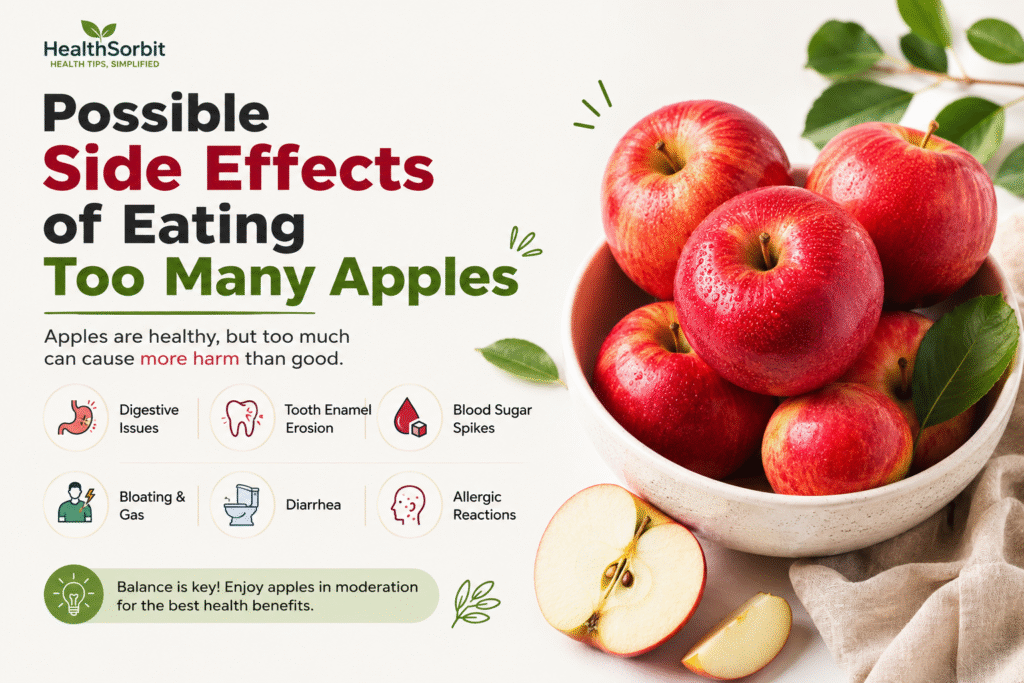
Apples are safe and healthy for most people, but moderation still matters. Eating an excessive number of apples in one day can cause bloating, gas, and stomach cramping because of the high fiber content — especially if your current diet is low in fiber and you increase intake suddenly. Allow your digestive system time to adjust if you are adding more high-fiber foods to your meals.
Apple seeds contain a naturally occurring compound called amygdalin, which produces small amounts of cyanide when broken down. Swallowing a few seeds accidentally is not dangerous, but deliberately chewing and consuming large quantities of seeds should be avoided. People with Irritable Bowel Syndrome (IBS) may also find that apples worsen their symptoms, as apples are high in fructose and FODMAPs. If you notice digestive discomfort after eating apples regularly, consult a doctor or registered dietitian.
Who Should Include Apples in Their Diet?
Knowing how many calories are in an apple? makes it easier for different groups of people to decide how apples fit into their specific health plans. Apples are ideal for people focused on weight loss, since they are filling, naturally sweet, and low in calories. Individuals managing heart disease or high cholesterol benefit from apples’ fiber and polyphenols. People with type 2 diabetes can safely enjoy whole apples as part of a balanced meal plan, thanks to their low glycemic index.
Children and teenagers benefit from apples as a whole-food snack that delivers natural energy without the artificial additives found in processed snacks. Older adults appreciate apples for their digestive support and easy-to-chew texture when ripe. Athletes can eat apples before workouts for a quick, clean source of natural carbohydrates. In short, apples are one of the most universally beneficial foods on the planet suitable for virtually every age group and lifestyle.
Whole Apple vs. Apple Juice: Which Is Better?
Many people who ask how many calories are in an apple? I also wonder whether drinking apple juice gives them the same benefits as eating a whole apple. The answer is a clear no. A single cup of unsweetened apple juice (240ml) contains roughly 114 calories — comparable to a large apple but it delivers almost zero fiber. Without fiber, the natural sugar in apple juice floods the bloodstream rapidly, causing blood sugar spikes and leaving you feeling hungry again within an hour.
A whole apple, on the other hand, digests slowly, keeps you full for longer, and delivers all the antioxidants, vitamins, and fiber that juicing removes. Even the best quality, freshly pressed apple juice is nutritionally inferior to simply eating the whole fruit. If you enjoy apple flavor, always choose the whole fruit over juice for maximum nutritional benefit.
Does Cooking an Apple Change Its Calorie Count?
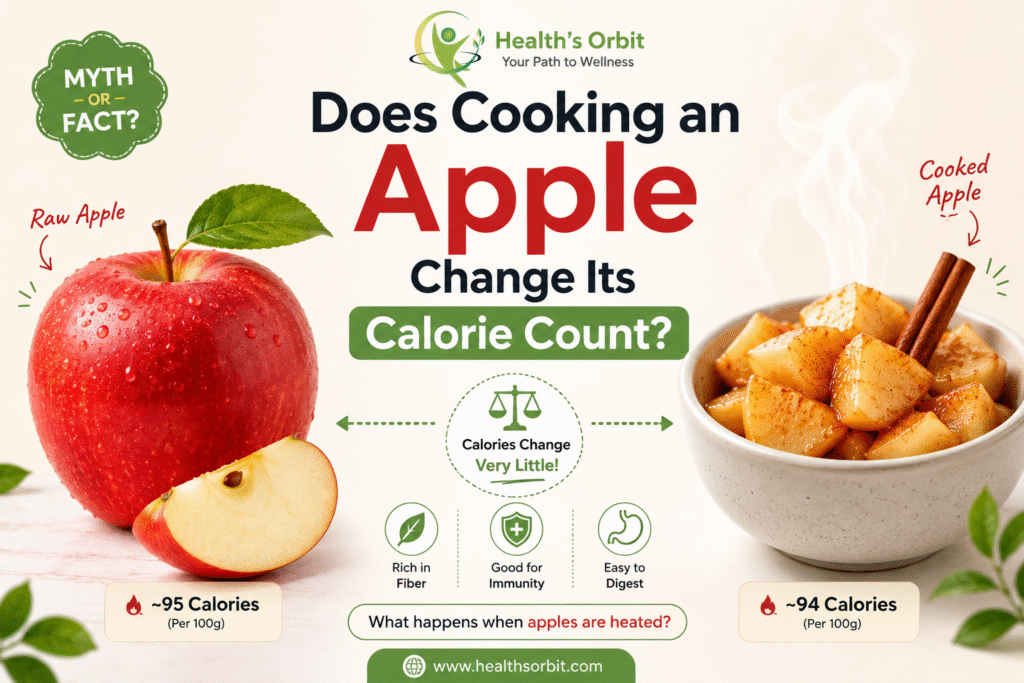
A common follow-up question after asking how many calories are in an apple? is whether baking or cooking changes those calories. The straightforward answer is: not significantly. Heating an apple through baking, steaming, or microwaving does not destroy its carbohydrates, so the calorie count stays largely the same. What cooking does change is the texture and the structure of the fiber, which may slightly reduce the apple’s ability to keep you feeling full.
The real calorie risk with cooked apples comes from what people add to them. Brown sugar, butter, caramel sauce, cream, or pastry all dramatically increase the calorie count of a dish that started as a healthy fruit. If you want to enjoy baked apples without derailing your diet, stick to simple additions like cinnamon, nutmeg, or a light drizzle of raw honey.
Practical Tips for Adding Apples to Your Daily Routine
Adding apples to your diet is easy, enjoyable, and endlessly creative. Slice a fresh apple and pair it with two tablespoons of almond butter for a balanced snack that combines natural sugar with healthy fat and protein. Dice apples into your morning oatmeal along with a dash of cinnamon for warmth and natural sweetness without added sugar. Add thin apple slices to a spinach salad with walnuts, feta cheese, and a light balsamic dressing for a nutritious and satisfying lunch. Blend half an apple with spinach, cucumber, ginger, and lemon juice for a refreshing green smoothie that is high in fiber and nutrients. Bake apple halves at 180°C for 20 minutes with a pinch of cinnamon and nutmeg for a guilt-free dessert that satisfies sweet cravings naturally.
Conclusion
The answer to how many calories are in an apple? is simple: a small apple has about 77 calories, a medium apple has roughly 95 calories, and a large apple contains up to 116 calories. These calories come packed with fiber, antioxidants, essential vitamins, and natural plant compounds that deliver real, measurable health benefits from supporting heart health and digestion to stabilizing blood sugar and aiding weight management.
Now that you know exactly how many calories are in an apple? you can enjoy this remarkable fruit with full confidence. Apples are one of the rare foods that are simultaneously delicious, affordable, and genuinely good for your health. Make them a regular part of your daily diet, eat them whole with the skin on, and let one of nature’s most perfect foods work for your body every single day.
Frequently Asked Questions (FAQs)
1. How many calories are in an apple with peel?
A medium apple eaten with its peel contains approximately 95 calories. The peel adds valuable fiber and antioxidants, so it is always better to eat apples unpeeled when possible.
2. Which apple variety has the lowest calories?
Granny Smith apples are among the lowest in calories, with roughly 80 calories per medium apple. Their tartness also means they contain slightly less natural sugar than sweeter varieties like Fuji or Honeycrisp.
3. Is it okay to eat an apple every day?
Yes, eating one apple per day is a healthy and beneficial habit for most people. It supports digestion, heart health, and immunity, all while keeping your daily calorie addition modest and manageable.
4. Do apples help with weight loss?
Yes. Apples are high in fiber and water, which means they fill you up quickly without adding many calories. Replacing processed snacks with a whole apple is one of the most practical changes you can make to support weight loss.
5. Is apple juice as healthy as eating a whole apple?
No. Apple juice removes most of the fiber found in whole apples, causing faster sugar absorption and less satiety. A whole apple always provides superior nutritional value compared to an equal serving of apple juice.