

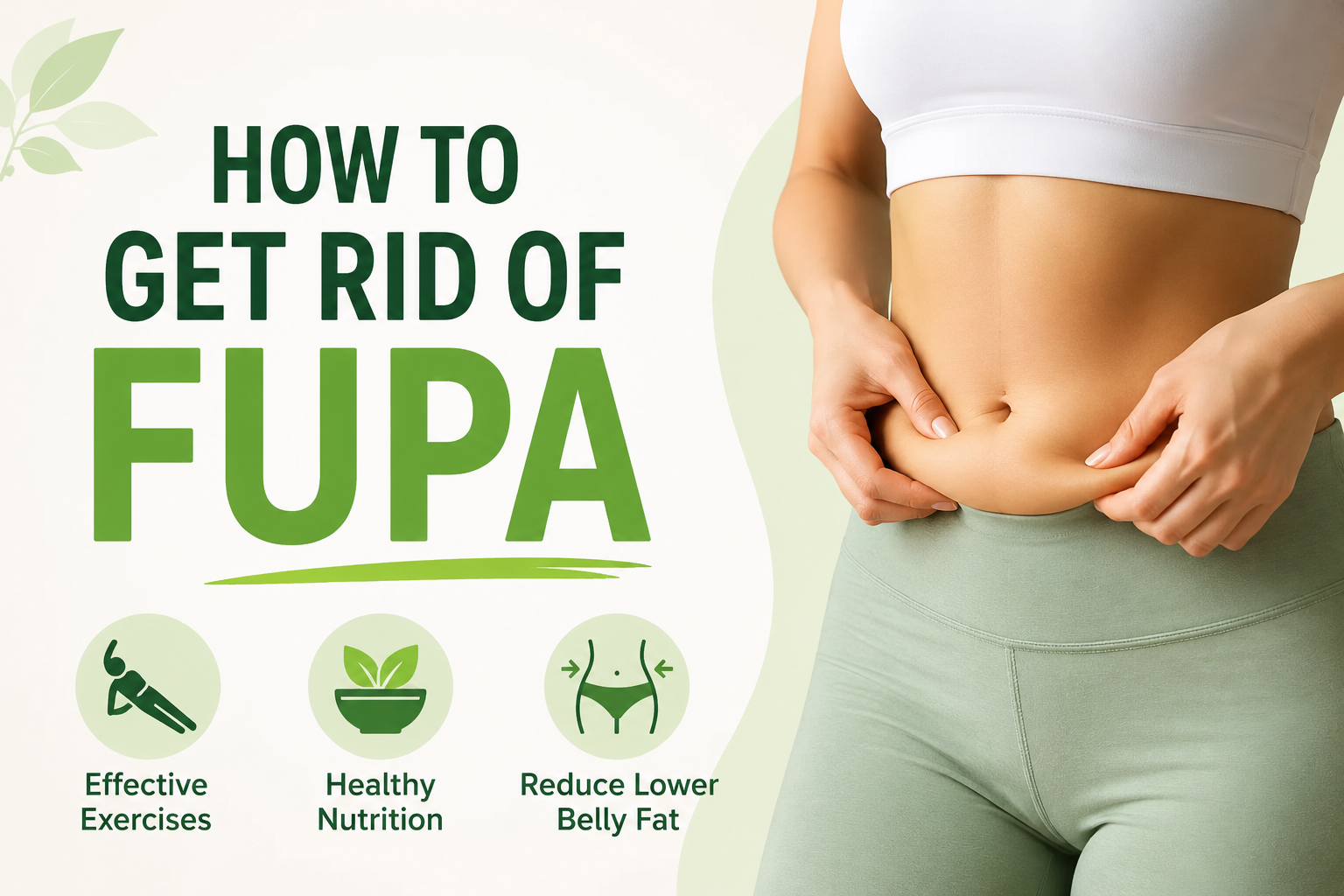
A complete, medically grounded guide to understanding and reducing fatty upper pubic area , from targeted exercise and nutrition to clinical options.
Key Takeaways
- FUPA (fatty upper pubic area) develops due to genetics, pregnancy, hormonal shifts, and weight changes , it is completely normal.
- Spot reduction is a myth. Overall fat loss through a calorie deficit is the only non-surgical path.
- A combination of full body cardio, compound strength training, and core exercises delivers the best results.
- Dietary protein, sleep quality, and cortisol management each play a measurable role in fat distribution.
- Non-surgical options (CoolSculpting) and surgical procedures (monsplasty, liposuction) exist for cases that do not respond to lifestyle changes.
What Is FUPA?
FUPA stands for fatty upper pubic area , a layer of subcutaneous fat that sits above the pubic bone and below the navel. In clinical literature it is called the panniculus, referring to a pad of adipose tissue on the lower abdomen. For many people it is simply a natural part of their body shape, influenced far more by genetics and hormonal biology than by lifestyle choices alone.
The area is anatomically known as the mons pubis. Unlike visceral fat , the dangerous type that surrounds internal organs , FUPA is subcutaneous fat, sitting just beneath the skin. This distinction matters because subcutaneous fat in the lower abdomen is metabolically less dangerous than visceral fat, though it is also more stubborn to lose.
What Causes FUPA?
Understanding why FUPA forms is essential before choosing how to address it. Several distinct biological factors contribute, often working in combination.
| Cause | How It Contributes | Modifiable? |
| Genetics | Up to 70% of body fat distribution is hereditary. Some individuals naturally store fat in the lower abdomen regardless of overall weight. | No |
| Pregnancy & Childbirth | Stretches the abdominal wall and alters fat storage patterns. C-sections can deposit extra fat around the incision site. | Partially |
| Hormonal Changes | Lower oestrogen (menopause, PCOS) shifts fat storage from hips/thighs to the abdomen. Thyroid imbalances slow metabolism further. | With medical support |
| Chronic Stress | Elevated cortisol promotes abdominal fat storage and increases hunger for calorie-dense foods. | Yes |
| Weight Gain & Loss Cycles | Repeated gain/loss can cause skin laxity in the lower abdomen, making FUPA more visible even at a healthy weight. | Yes (prevention) |
| Ageing | After 35, the body progressively shifts fat storage toward the abdomen, independent of weight changes. | No (rate can be slowed) |
| Poor Posture | Posterior pelvic tilt causes the lower abdomen to protrude forward, amplifying the appearance of FUPA without adding actual fat. | Yes |
Why the upper pubic area is a stubborn fat zone
α₂More Alpha-2 ReceptorsThese receptors inhibit fatbreakdown. The lower belly has a high density of them compared to arms or face,slowing lipolysis here.E₂Hormone SensitivityOestrogen directs fat to the mons pubis region.As levels drop (menopause,postpartum), storage here becomes more pronounced.Reduced Blood FlowFat mobilisation requires blood to carry free fatty acids away. Lower abdominal fat receives less circulation,slowing the removal process.All three factors make the upper pubic area one of the last places the body burns stored fat.
The Core Truth: Spot Reduction Does Not Work
Before outlining what does work, the most important myth to dismantle is spot reduction. No exercise , no matter how many crunches, leg raises, or lower-ab workouts you perform , can instruct the body to burn fat from one specific area. Fat loss is systemic: when you create a calorie deficit, the body draws from stores throughout the body, determined by genetics, hormones, and physiology , not by which muscle you just contracted.
Common Myth
Doing 100 crunches a day will flatten my lower belly. Research is unambiguous: isolated abdominal training does not reduce fat in the abdominal region more than whole body exercise. A 2021 meta-analysis of spot reduction studies found no statistically significant localised fat loss from targeted exercise. Core exercises build strength and improve posture, both of which matter ,but they do not burn the overlying fat.
What this means practically: you need to lose body fat overall, and as that process continues, fat in the upper pubic area will gradually reduce alongside the rest. The exercises and dietary strategies below all support that overall deficit while specifically strengthening the core to improve the area’s appearance.
How to Get Rid of FUPA: Exercise Strategy
The most effective exercise approach combines three components. A large-scale meta-analysis of 43 trials (n = 3,552) found aerobic training reduced abdominal fat by −13.05 cm² on average, while resistance training reduced it by −5.39 cm². Combining both produced superior results to either alone.
1. Cardio for Overall Fat Loss
Any sustained cardiovascular exercise creates a calorie deficit and stimulates fat oxidation. The evidence shows no meaningful difference between HIIT and steady-state cardio for fat loss ,choose whichever you will maintain consistently. Choose whichever you will maintain consistently.
Brisk Walking
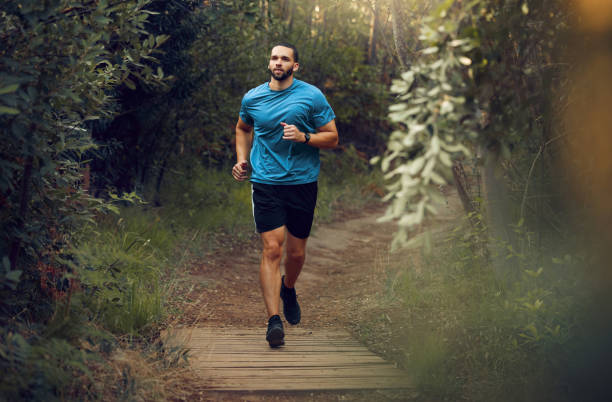
30–45 min daily. Low impact, sustainable, and highly effective for long-term adherence. Ideal for postpartum recovery.
HIIT Intervals
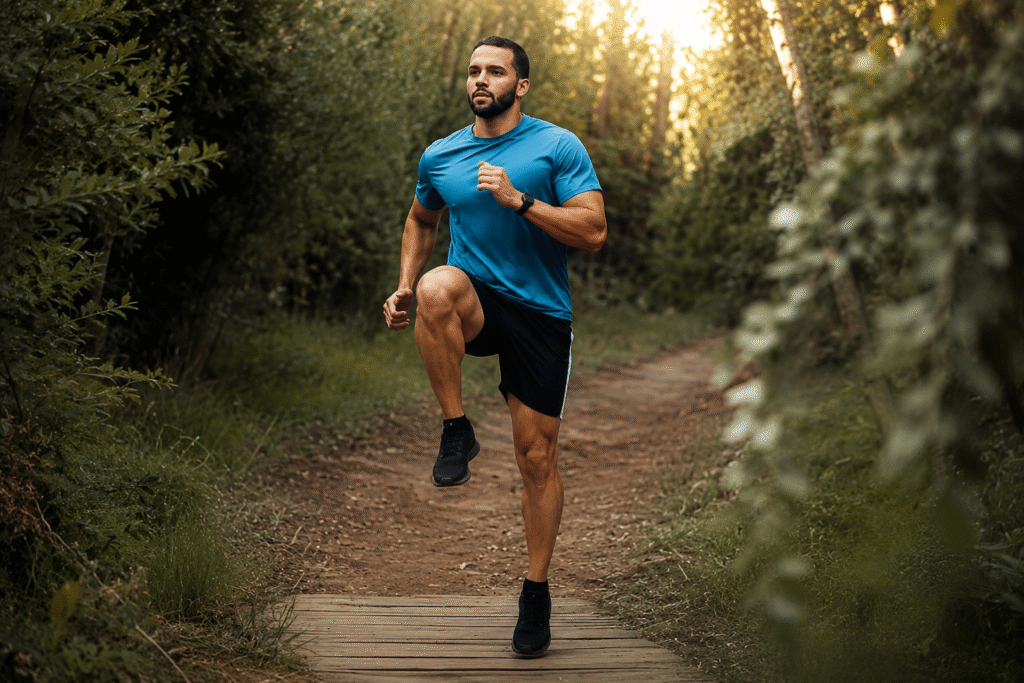
20–30 min, 3×/week. Alternating 30-second sprints with 60-second recovery. Extends calorie burn post-workout (EPOC effect).
Cycling / Swimming

40–60 min sessions. Joint-friendly alternatives that sustain high heart rates with minimal stress on the lower back.
Dance / Zumba

45-min classes burn 300–500 kcal. A high enjoyment factor improves consistency , the most important variable in fat loss.
2. Targeted Core Work
Core exercises do not burn FUPA fat directly, but they strengthen deep stabilising muscles , particularly the transverse abdominis , which pulls the lower abdomen inward and improves posture. This makes a visible difference in how the area looks even before significant fat loss occurs.
Plank (Front)
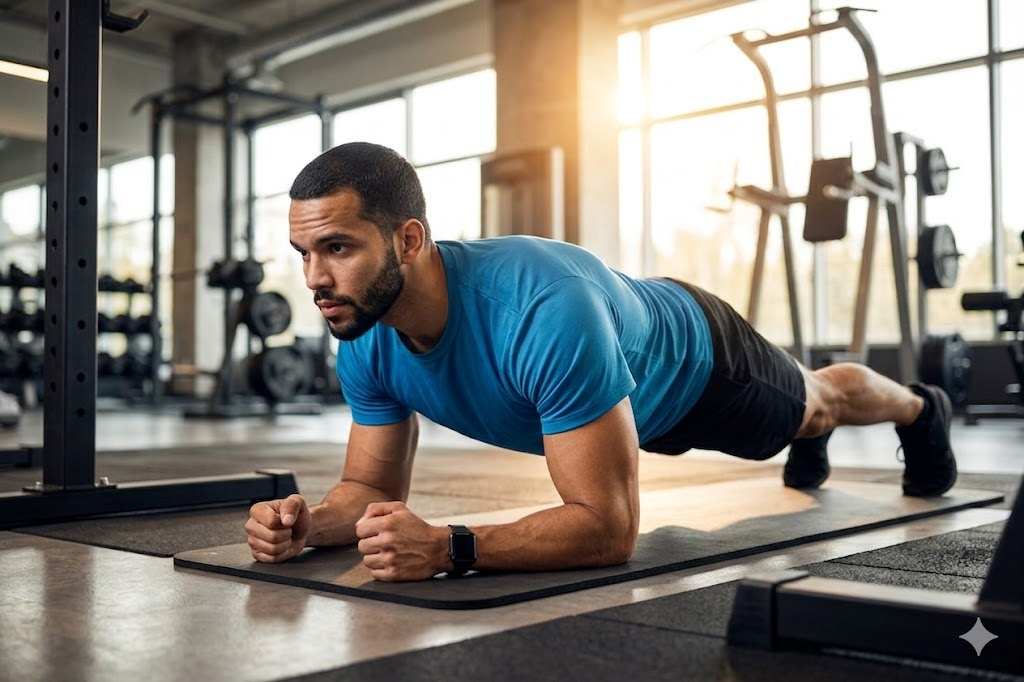
Hold 30–60 seconds. Engages the transverse abdominis isometrically. Progress by extending duration or adding a shoulder tap.
Reverse Crunch
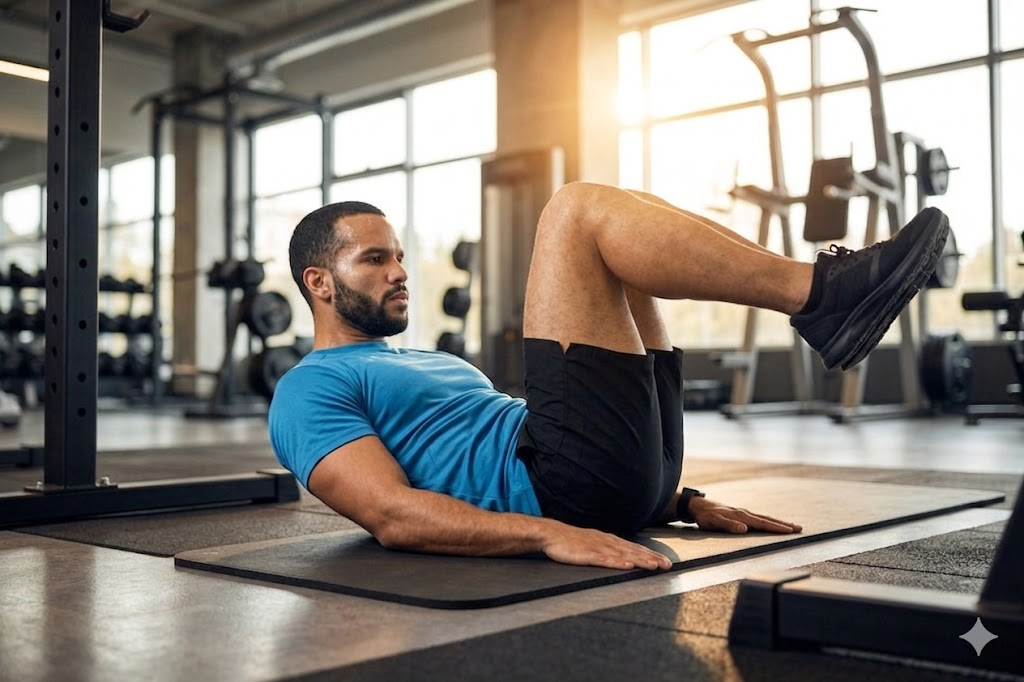
3 × 15 reps. Lifts hips toward the chest, directly loading the lower abdominal wall without straining the neck.
Dead Bug
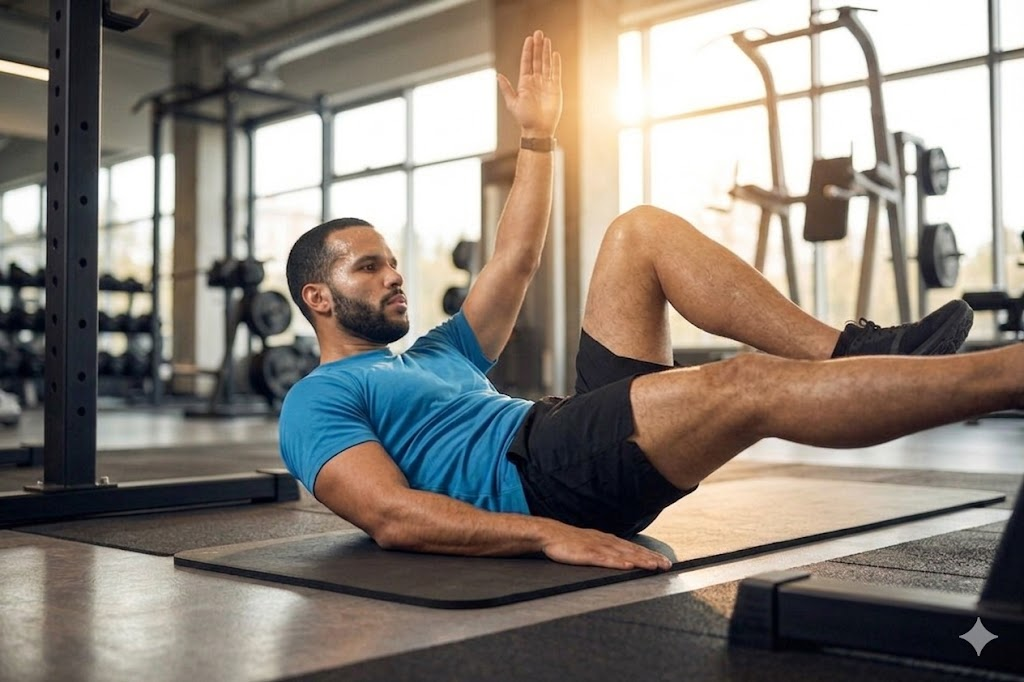
3 × 10 alternating. Develops deep core stability while protecting the lower back , superior to standard crunches.
Leg Raise (Lying)
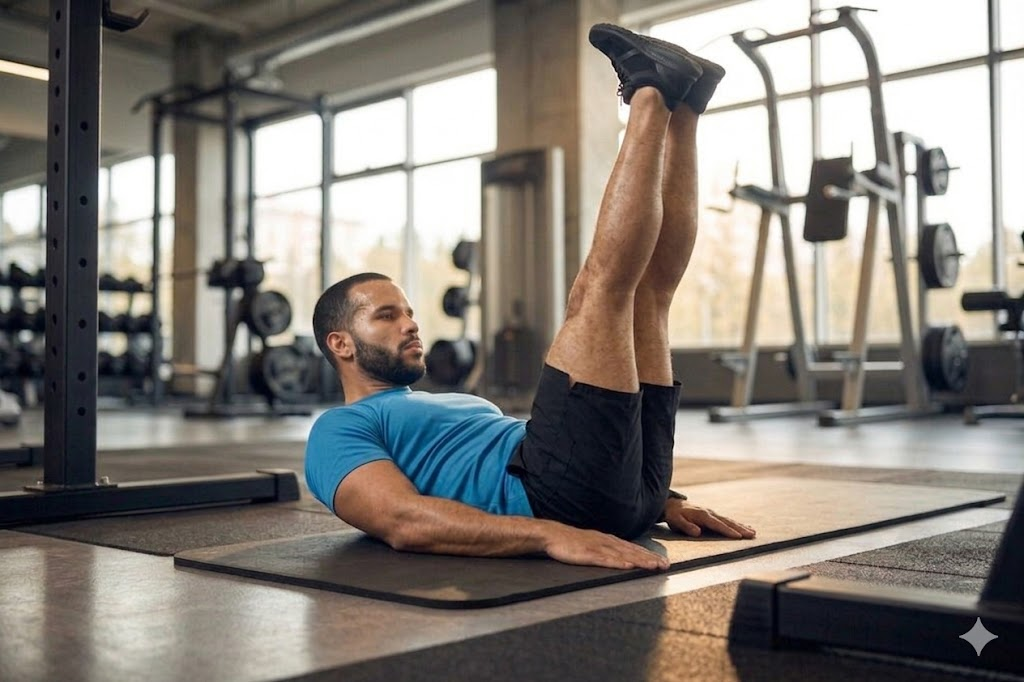
3 × 12 reps. Keep the lower back pressed to the floor throughout. Intensifies lower abdominal activation.
Bicycle Crunch
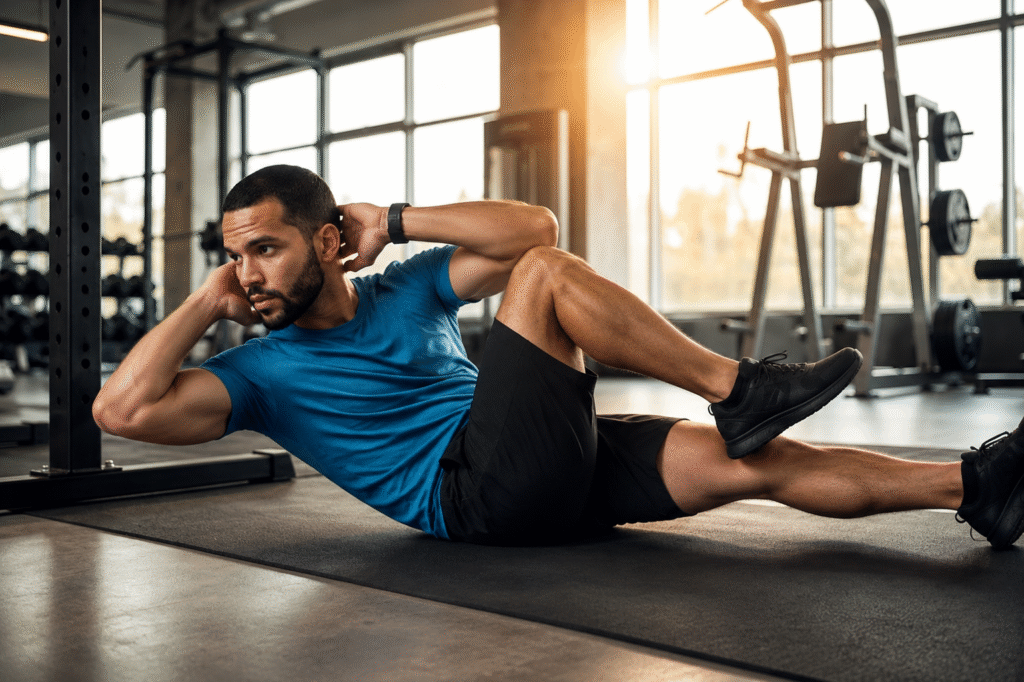
3 × 20. Targets both the rectus abdominis and obliques, improving the overall midsection shape over time.
Glute Bridge
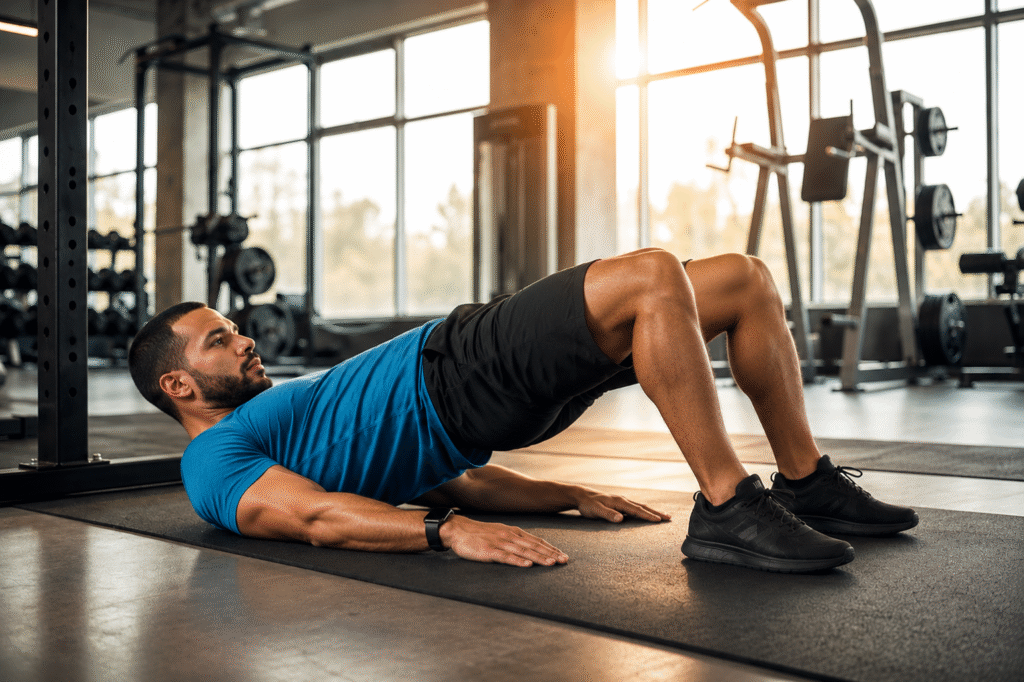
3 × 20. Corrects posterior pelvic tilt ,a posture fault that makes FUPA appear significantly larger than it is.
Nutrition: What to Eat to Reduce FUPA
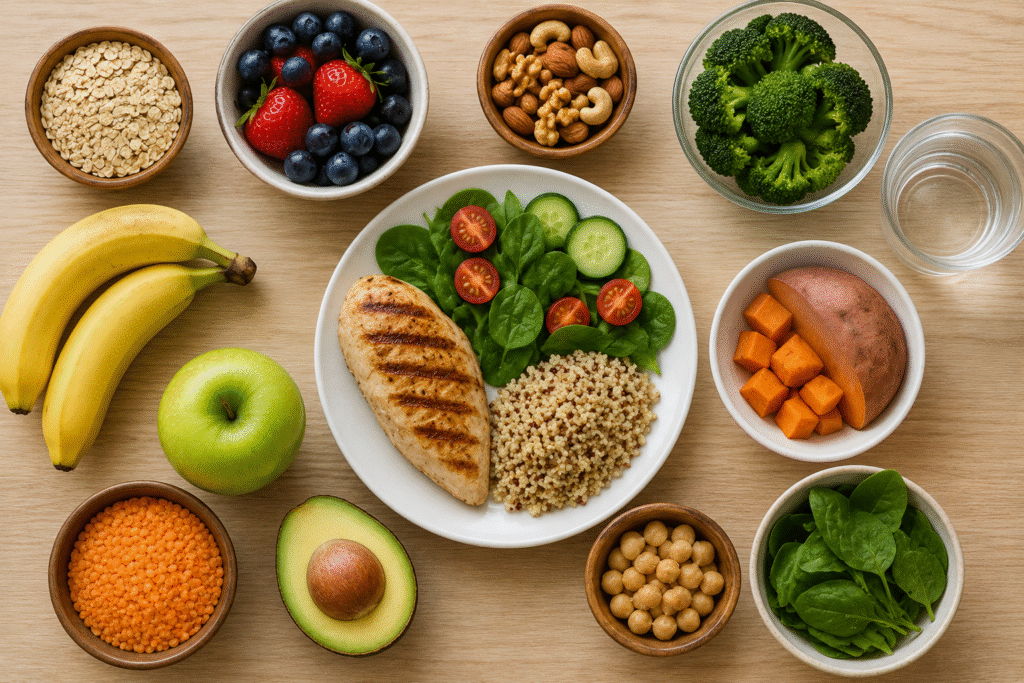
Diet accounts for the majority of a calorie deficit in practice , it is far easier to eat 500 fewer calories than to burn 500 additional ones through exercise. A deficit of 500–1,000 kcal per day produces approximately 0.5–1 kg of fat loss per week, which is the medically recommended safe rate.
Key Nutritional Principles
| Principle | Target | Why It Matters for FUPA |
| Protein intake | 1.6–2.2 g per kg bodyweight | Preserves muscle during a deficit; highest satiety per calorie; supports core muscle development |
| Calorie deficit | 400–600 kcal below TDEE | Drives systemic fat loss including the pubic region; larger deficits increase muscle loss risk |
| Fibre intake | 25–35 g/day | Reduces appetite, stabilises blood glucose, lowers cortisol-driven cravings |
| Reduce ultra-processed food | Under 20% of total calories | UPFs increase visceral fat and worsen insulin sensitivity; blunt caloric awareness |
| Reduce alcohol | Under 1–2 units/day (ideally none) | Alcohol is 7 kcal/g with no nutritional value; disrupts fat oxidation and sleep quality |
| Hydration | 2–3 litres/day | Reduces bloating which amplifies FUPA appearance; supports metabolic function |
| Omega-3 fatty acids | 2+ servings of oily fish/week | Reduces inflammatory fat storage; supports hormonal balance |
Best Foods to Include
Rather than eliminating food groups, focus on nutrient density. Prioritise: lean proteins (chicken, fish, eggs, legumes), complex carbohydrates (oats, quinoa, sweet potato), healthy fats (avocado, olive oil, walnuts), and abundant vegetables, especially leafy greens that support oestrogen detoxification. Greek yoghurt, green tea, and berries have specifically been associated with reduced abdominal adiposity in multiple cohort studies.
Avoid Crash Dieting
Severe caloric restriction (below 1,200 kcal for women, 1,500 for men) promotes muscle catabolism, spikes cortisol, and ultimately causes rebound weight gain that preferentially deposits in the lower abdomen. Slow, sustained deficits always outperform aggressive restriction.
Lifestyle Factors That Accelerate Results
Sleep: The Overlooked Fat-Loss Variable
Consistently sleeping fewer than 6 hours per night elevates ghrelin (hunger hormone) and cortisol while suppressing leptin (satiety hormone). This combination drives calorie overconsumption and promotes abdominal fat storage independent of diet. Aim for 7–9 hours. Specific strategies: stop screens 1 hour before bed, keep the room cool (18–19°C), and eat your last meal at least 2 hours before sleep.
Stress Management
Chronic psychological stress elevates cortisol, which directly instructs the body to store fat in the abdominal and pubic region. Even with a good diet and exercise programme, unmanaged stress will blunt your results. Evidence-supported methods include: diaphragmatic breathing (4-7-8 technique), 10-minute daily mindfulness practice, and reducing caffeine consumption, particularly after noon.
Non-Exercise Activity (NEAT)
Daily movement outside formal exercise , standing, walking, taking stairs ,can account for 200-400 extra calories burned per day. Over months, NEAT differences between individuals explain substantial variation in fat loss outcomes. Set a step target of 8,000-10,000 steps daily to meaningfully increase NEAT(Non-Exercise Activity Thermogenesis) without additional gym time.
Medical and Non-Surgical Options
When lifestyle changes over 6–12 months have not produced the desired reduction, or when skin laxity is a primary concern (common after significant weight loss or pregnancy), the following clinical options are available.
Non-surgical · $600–$4,000
CoolSculpting (Cryolipolysis)
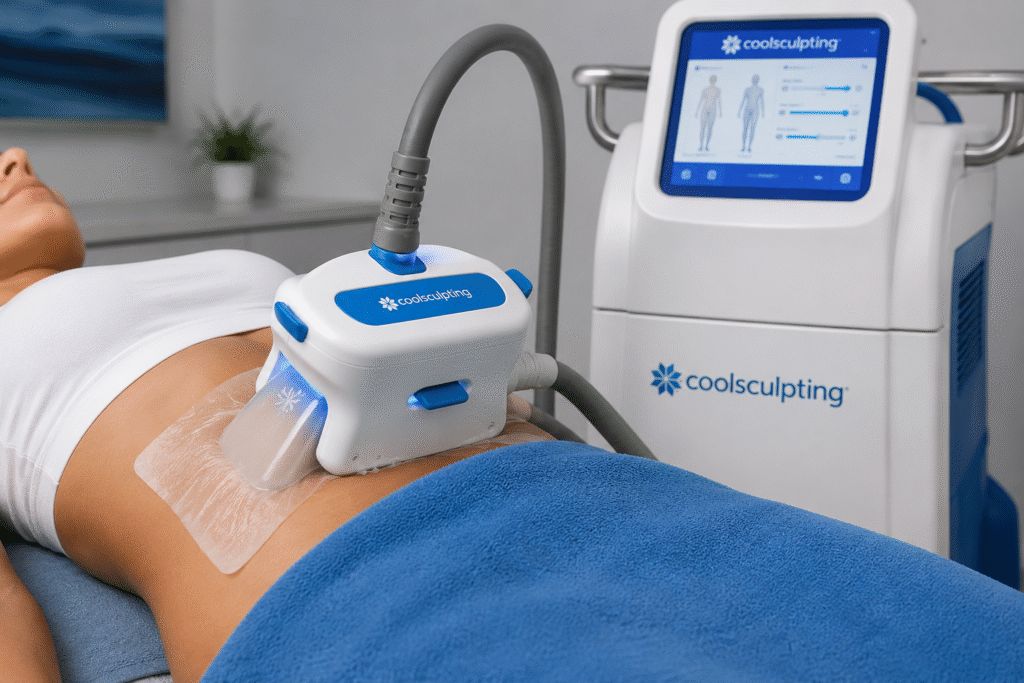
FDA-approved. Freezes fat cells through the skin; the immune system gradually eliminates them over 4–12 weeks. Best for grade 1–2 FUPA with good skin elasticity. Results are permanent if weight is maintained.
Minimally invasive · $2,000–$8,000
Liposuction
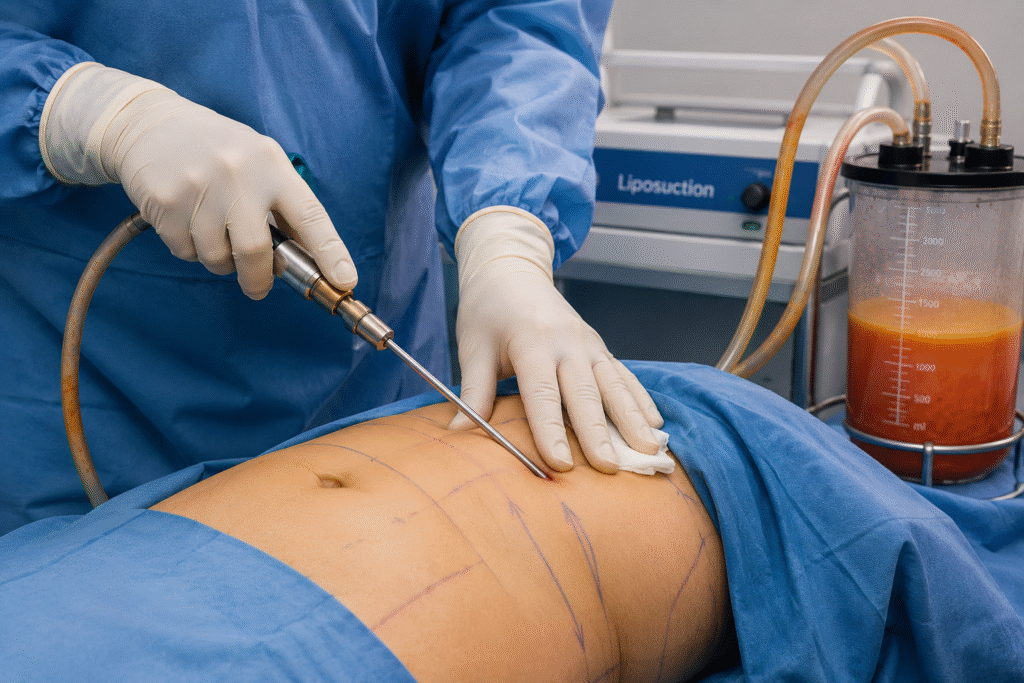
Small incisions allow a cannula to remove localised fat directly. Ideal for individuals near their target weight with good skin tone. Results are immediate and long-lasting.
Surgical · $3,000–$10,000
Monsplasty (Pubic Lift)
Removes excess fat and skin from the mons pubis specifically. Highly effective after significant weight loss or post-pregnancy when skin redundancy is the primary issue rather than fat alone.
Surgical · $8,000–$20,000
Abdominoplasty (Tummy Tuck)
Addresses both abdominal and pubic area by tightening separated muscles, removing excess fat, and excising loose skin. Often combined with monsplasty. Most comprehensive result; longest recovery.
Who Should Consider Medical Options?
Medical procedures are appropriate when: (1) you have been at a stable, healthy weight for 6+ months and FUPA persists; (2) skin laxity, not fat, is the primary problem; or (3) the area causes physical discomfort such as skin irritation or chafing. Always consult a board-certified plastic surgeon for an assessment before proceeding.
Posture Correction: The Fastest Visual Fix
While fat loss takes weeks to months, posture correction can produce visible improvement within days. Anterior pelvic tilt , where the front of the pelvis drops and the lower back arches excessively , causes the lower abdomen to protrude forward dramatically, adding the appearance of several centimetres of extra FUPA. This is purely structural, not adipose.
To correct it: strengthen the glutes (hip thrusts, glute bridges), stretch the hip flexors (kneeling lunge stretch, couch stretch), and practice posterior pelvic tilt awareness throughout the day. Standing with your ribcage stacked over your pelvis , rather than with your back hyperextended , immediately reduces lower abdominal protrusion.
Body Acceptance and Perspective
It is worth noting that some degree of fat in the upper pubic area is anatomically normal and present in the majority of people at a healthy weight. The mons pubis is a physiologically functional area, and its appearance is heavily influenced by factors , genetics, hormonal biology, parity , that are entirely outside an individual’s control.
Pursuing fat loss for health, energy, and physical comfort are all legitimate motivations. Pursuing it because of cultural pressure to conform to an idealised body shape that frequently does not account for biological diversity is worth examining critically. Both of these things can be true simultaneously: you can work toward your goals while also extending compassion to your body in its current form.
Medical Disclaimer
This article is intended for general informational purposes only and does not constitute medical advice. Individual results will vary based on age, genetics, hormonal status, and baseline health. Before beginning any new exercise programme, significantly changing your diet, or considering a medical procedure, consult a qualified healthcare provider or registered dietitian. If you are postpartum, have a history of eating disorders, or have any chronic health condition, professional guidance is especially important.