

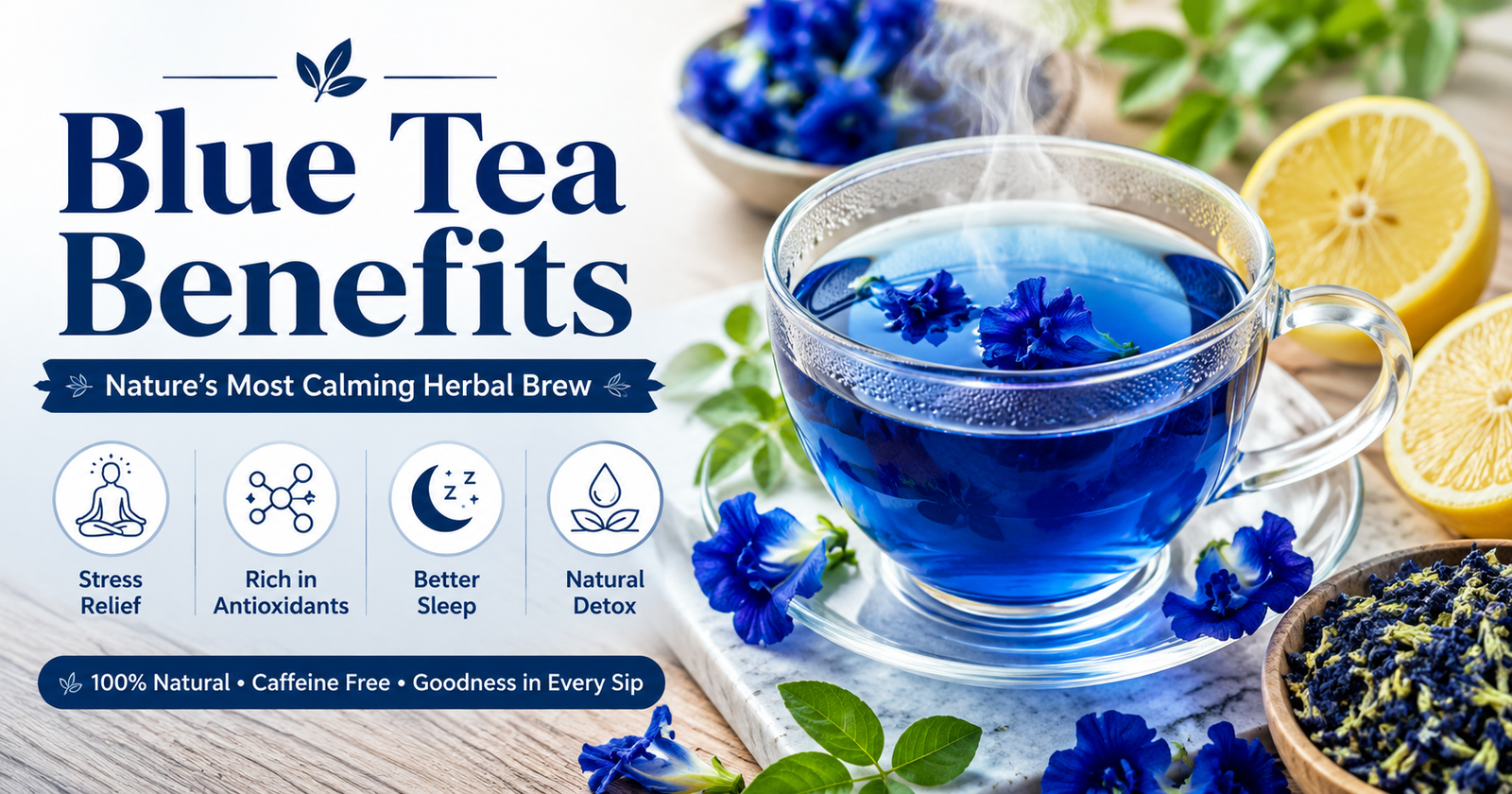
“Blue tea is not just a pretty drink, it’s a centuries-old remedy dressed in the world’s most photogenic color.”
Made from the vibrant butterfly pea flower (Clitoria ternatea), this indigo-hued drink has been quietly gaining popularity in wellness circles. The blue tea benefits are wide-ranging, scientifically supported, and surprisingly accessible.
Whether you want to reduce stress, sharpen your mind, or simply enjoy a caffeine-free ritual, blue tea deserves a spot in your daily routine. Let’s explore what makes this ancient brew so remarkable.
What Is Blue Tea?
Blue tea is an herbal infusion brewed from the dried flowers of the butterfly pea plant, a flowering vine native to Southeast Asia. It has been used for centuries in traditional Ayurvedic medicine in India and as a natural food dye across Thailand and Malaysia. The tea produces a deep, cerulean-blue color that almost seems too beautiful to be real yet it is entirely natural.
What makes blue tea especially fascinating is its color-changing property. When you add a squeeze of lemon juice, the pH shift transforms the brew from blue to a vivid purple or pink. Beyond the drama, the real story lies in what it does for your health.
Quick Facts at a Glance
Here is a summary of everything you need to know about blue tea before you brew your first cup:
| Property | Detail | Status |
| Botanical Name | Clitoria ternatea | Verified |
| Origin | Southeast Asia (India, Thailand, Malaysia) | Historical |
| Caffeine Content | Zero naturally caffeine-free | Safe anytime |
| Key Compounds | Anthocyanins, ternatins, kaempferol, flavonoids | Research-backed |
| Taste Profile | Earthy, mildly floral, slightly woody | Mild |
| Color Change | Blue to Purple/Pink when lemon added | Natural pH reaction |
| Recommended Daily Cups | 1–2 cups per day | Moderate |
| Pregnancy Safety | Not fully studied consult doctor | Exercise caution |
The Science Behind Blue Tea Benefits
The impressive blue tea benefits largely come down to anthocyanins, the same antioxidants found in blueberries and red cabbage, responsible for the flower’s vivid color. These powerful compounds neutralize free radicals in the body, which are unstable molecules that damage cells and contribute to aging and chronic disease.
Additionally, the butterfly pea flower contains flavonoids, ternatins, and kaempferol, each contributing unique therapeutic properties. Together, they make blue tea one of the most antioxidant-rich herbal drinks available today.
How Antioxidants in Blue Tea Work
When you drink blue tea regularly, you flood your system with natural compounds that combat oxidative stress. Over time, this can reduce inflammation, protect vital organs, and slow visible signs of aging both inside and out. This is also why many skincare brands have started incorporating butterfly pea extract into their formulations.
Key Blue Tea Benefits Explained
1. Brain Health and Cognitive Function
One of the most studied blue tea benefits is its positive effect on the brain. Compounds in butterfly pea flowers have been shown in animal studies to support memory retention and improve cognitive performance. The flower contains acetylcholine-boosting properties, which can help with learning and information recall. Since it is caffeine-free, it supports mental clarity without jitteriness or a post-caffeine crash.
2. Stress Relief and Better Sleep
Among the most celebrated blue tea benefits is its adaptogenic-like quality. Research suggests butterfly pea flowers may help reduce anxiety by influencing serotonin levels in the brain. Drinking a warm cup in the evening can promote a calm, relaxed state of mind and even improve sleep quality making it an excellent caffeine-free alternative.
3. Glowing Skin and Stronger Hair
Regular consumption has been linked to improved skin elasticity and hydration, partly because anthocyanins support collagen production. Additionally, butterfly pea flowers contain bioflavonoids that may stimulate hair follicle health. Some traditional remedies in Southeast Asia apply blue tea topically to the scalp to address hair thinning and promote growth.
4. Blood Sugar Management
Emerging research suggests that blue tea may help moderate blood sugar spikes after meals. Certain compounds appear to inhibit enzymes that break down carbohydrates in the digestive system, slowing glucose absorption. While it should not replace medical treatment for diabetes, it makes a smart dietary addition for anyone monitoring their blood sugar levels.
5. Eye Health Support
Ternations found in butterfly pea flowers have traditionally been used to support vision. These compounds may help protect the retina from oxidative damage particularly relevant in an era of prolonged screen exposure. This is one of the lesser-known blue tea benefits, but increasingly worth the attention of researchers and nutritionists.
Blue Tea vs. Other Herbal Teas
How does blue tea stack up against other popular herbal brews? Here is a detailed comparison:
| Feature | Blue Tea | Green Tea | Chamomile | Ginger Tea |
| Caffeine | None | Moderate | None | None |
| Antioxidants | Very High | High | Moderate | Moderate |
| Stress Relief | Yes | Mild | Yes | No |
| Brain Support | Yes | Yes | No | No |
| Skin Benefits | Yes | Yes | Mild | No |
| Blood Sugar Aid | Emerging | Yes | No | Yes |
| Taste | Earthy, floral | Grassy, fresh | Floral, sweet | Spicy, warm |
Possible Side Effects and Who Should Be Careful
Blue tea is generally considered safe for most adults when consumed in moderate amounts. However, there are a few important considerations to keep in mind. Pregnant and breastfeeding women are typically advised to avoid herbal teas that have not been thoroughly studied in clinical trials. Similarly, people taking blood-thinning medications should consult a doctor, as some compounds may have mild anticoagulant effects.
Excessive consumption can occasionally cause nausea or mild digestive discomfort. Starting with one to two cups per day is the wisest approach. As with any herbal supplement, moderation is key.
Side Effects Summary Table
| Side Effect | Likelihood | Who Is at Risk | Recommended Action | Level |
| Nausea | Rare | Sensitive stomachs | Reduce intake | Low |
| Blood Thinning | Possible | On anticoagulants | Consult doctor | High |
| Pregnancy Concerns | Uncertain | Pregnant women | Avoid | High |
| Digestive Discomfort | Rare | Excess consumers | Limit to 2 cups/day | Low |
| Allergic Reaction | Very rare | Legume allergies | Stop use | High |
Who Should Consider Blue Tea?
Blue tea is a wonderful option for a broad range of people. Those dealing with daily stress or mild anxiety may find it particularly helpful as a calming evening ritual. Health-conscious individuals looking to increase antioxidant intake without caffeine will benefit greatly. It is equally suitable for anyone interested in natural approaches to skincare, cognitive support, or blood sugar balance. Because it is naturally caffeine-free, even people sensitive to stimulants can enjoy it comfortably at any time of day.
Conclusion
The blue tea benefits are genuinely impressive for a drink this simple to prepare and this gentle on the body. From brain health and stress relief to glowing skin and stable blood sugar, butterfly pea flower tea offers a holistic boost that few other herbal drinks can match. It is caffeine-free, visually stunning, rich in antioxidants, and deeply rooted in centuries of traditional use. If you have been looking for a new wellness habit that is both pleasurable and purposeful, blue tea is worth every sip.
Frequently Asked Questions
Q: How many cups of blue tea should I drink per day?
A: Most health experts suggest one to two cups daily is sufficient to enjoy the blue tea benefits without risking any digestive discomfort or unwanted side effects.
Q: Does blue tea have any caffeine?
A: No blue tea is completely caffeine-free, making it an ideal option for people who are sensitive to caffeine or want a relaxing drink at any time of day or night.
Q: Can blue tea help with weight loss?
A: While blue tea is not a direct weight-loss solution, its ability to support blood sugar management and reduce inflammation may complement a healthy diet and active lifestyle.
Q: Is it safe to drink blue tea every day?
A: Yes, for most healthy adults, drinking blue tea daily is considered safe in moderate amounts. Pregnant women, breastfeeding mothers, and those on blood thinners should consult a healthcare provider first.
Q: Where can I buy butterfly pea flower tea?
A: Blue tea is widely available online and in health food stores. Look for organic, dried butterfly pea flowers or pre-packaged blue tea bags from reputable herbal tea brands.