

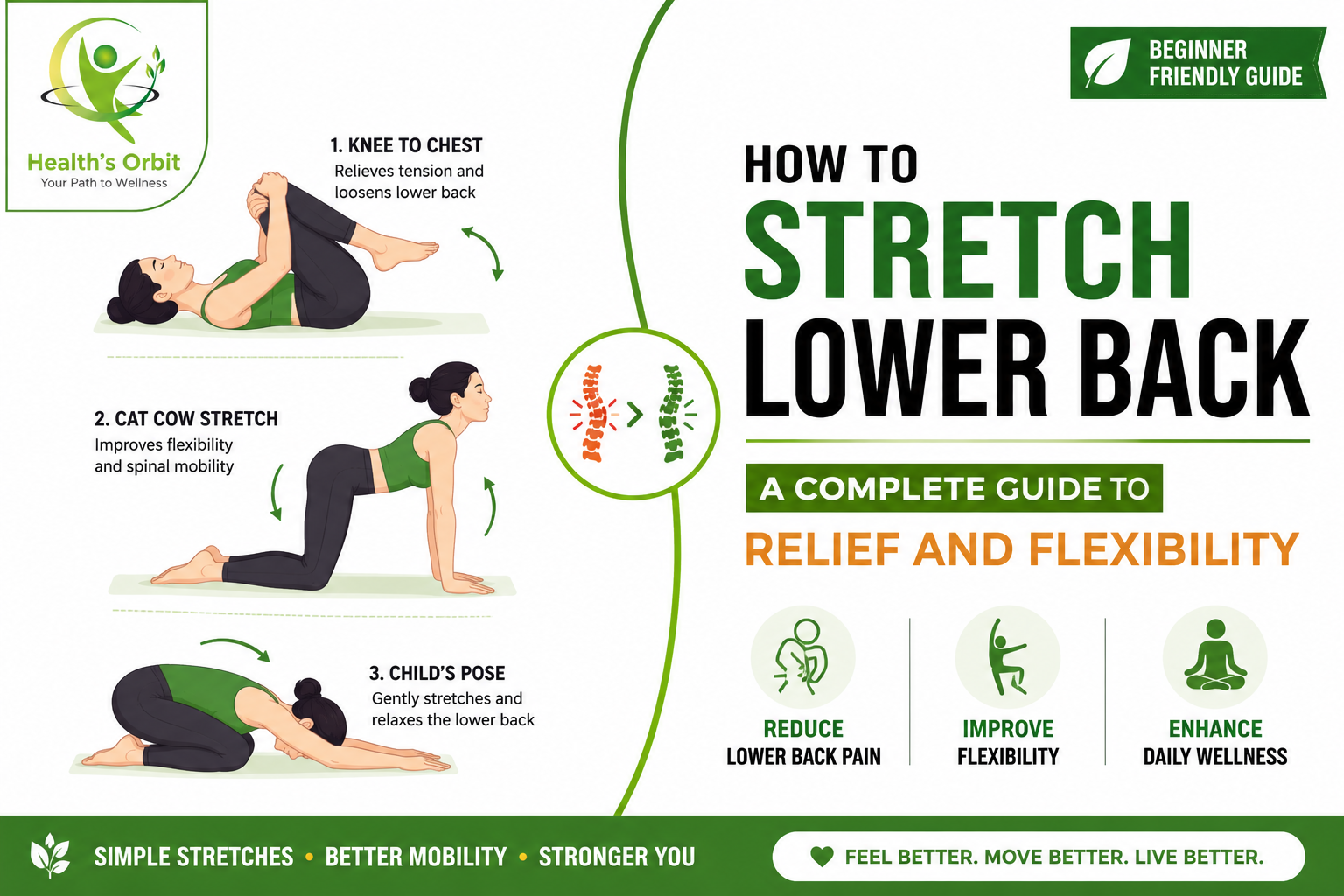
“Lower back pain affects nearly 80% of adults at some point in their lives yet the solution is often simpler than you think.”
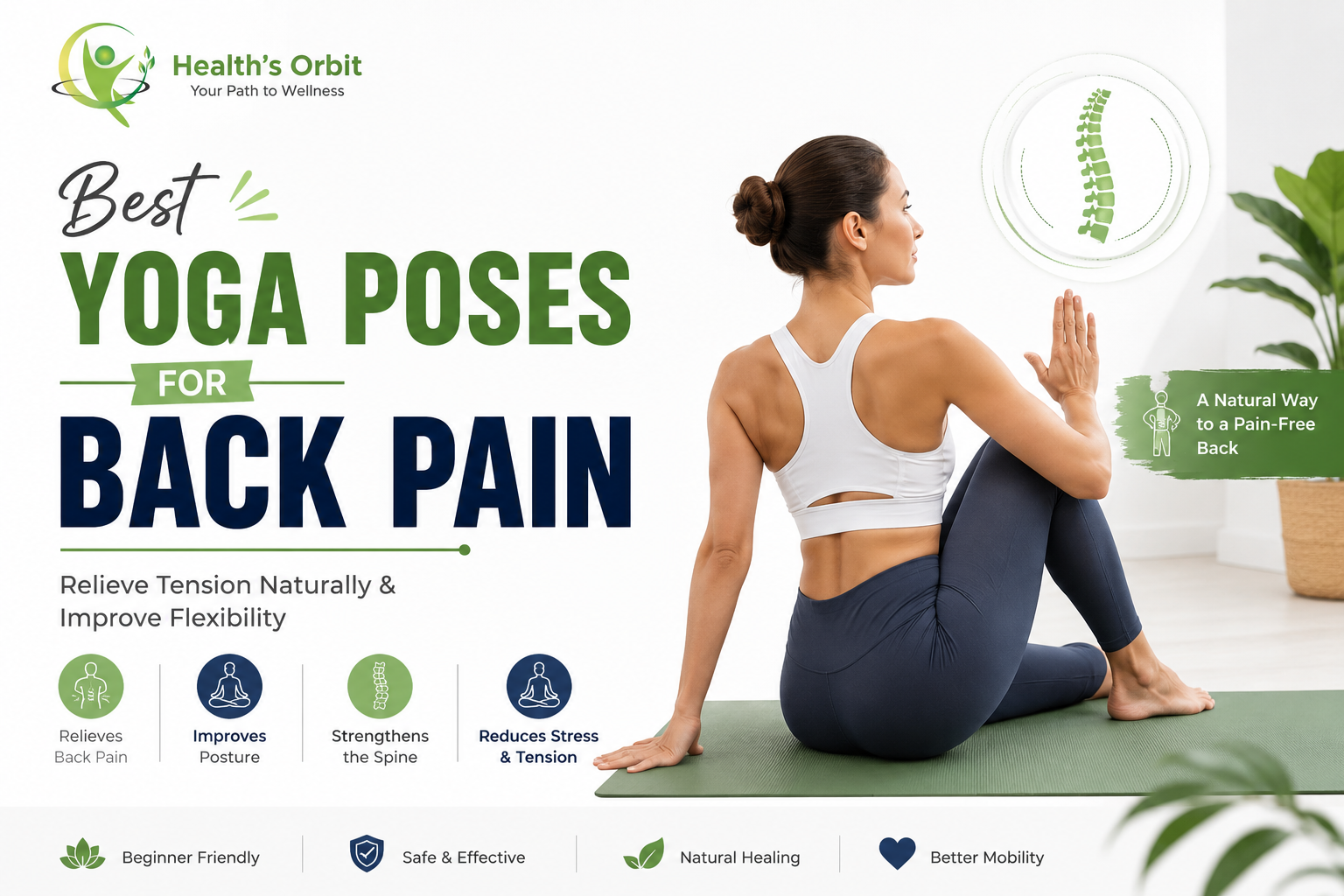
If you spend long hours sitting at a desk, standing on your feet, or doing physical labor, chances are you have felt tightness or discomfort in your lower back at some point. Learning how to stretch lower back muscles properly is one of the most effective and accessible ways to find relief. Not only does it ease existing pain, but it also helps prevent future injuries. This guide walks you through everything you need to know from understanding why your lower back gets tight, to the best stretches, their benefits, possible risks, and who should consider making them part of their daily routine.
Why Does the Lower Back Get Tight?
It is constantly engaged whether you are moving or sitting still. When the muscles in this area become weak, overused, or underused, they tighten up and cause discomfort. Poor posture, long periods of inactivity, muscle imbalances, and even stress can all contribute to lower back tightness. Understanding this is the first step to knowing how to stretch lower back muscles effectively and safely.
Tight hip flexors, weak glutes, and stiff hamstrings often play a role in lower back problems too. Because the body is interconnected, stretching the lower back often involves working on surrounding muscle groups as well. This is why a well-rounded stretching routine targets not just the lumbar spine but also the hips, glutes, and hamstrings.
How Lower Back Stretches Work
When you stretch a muscle, you are gently lengthening its fibers. This increases blood flow to the area, reduces muscle tension, and improves range of motion. For the lower back, stretches typically target the erector spinae, quadratus lumborum, and the surrounding soft tissues. A good stretch held for 20 to 30 seconds allows the muscle to relax and release, which relieves the pressure on the spine.
Regular stretching also helps restore the natural curvature of the lumbar spine. Learning how to stretch lower back areas consistently helps the spine return to a healthier position over time, reducing nerve irritation and joint stress.
Best Stretches for the Lower Back
Knee-to-Chest Stretch
This is one of the most simple and effective ways to relieve lower back tension. Lie flat on your back, bring one knee toward your chest, and hold it with both hands for 20 to 30 seconds. Switch sides. This stretch gently decompresses the lumbar vertebrae and eases tightness in the lower spine. It is ideal for beginners and can even be done in bed in the morning.
Cat-Cow Stretch
The cat-cow is a dynamic stretch that gently mobilizes the entire spine. Start on your hands and knees. As you inhale, drop your belly toward the floor and lift your head (cow). As you exhale, round your back toward the ceiling and tuck your chin (cat). Repeat this 10 times slowly. This movement increases spinal flexibility and is excellent for anyone learning how to stretch lower back stiffness in the morning.
Child’s Pose
Borrowed from yoga, child’s pose is a deeply restorative stretch for the lumbar region. This stretch lengthens the lower back muscles and also calms the nervous system, making it especially helpful for people whose back tension is linked to stress.
Piriformis Stretch
The piriformis muscle runs through the glutes and can affect the lower back when tight. Lie on your back, cross one ankle over the opposite knee, and gently pull both legs toward your chest. This stretch targets the hip and glute area, which directly influences how to stretch lower back tension effectively.
Quick Reference: Common Lower Back Stretches
| Stretch Name | Primary Muscles | Hold Time | Difficulty | Best For |
| Knee-to-Chest | Lumbar erectors, glutes | 20-30 sec | Easy | Morning stiffness, beginners |
| Cat-Cow | Entire spine, core | 10 reps | Easy | Spinal mobility, daily warmup |
| Child’s Pose | Lumbar muscles, hips | 30-60 sec | Easy | Stress-related tension |
| Piriformis Stretch | Piriformis, glutes | 30 sec each | Medium | Sciatic pain, hip tightness |
| Seated Forward Fold | Hamstrings, lumbar | 30 sec | Easy | Desk workers, tight hamstrings |
| Supine Twist | Spinal rotators, obliques | 20-30 sec | Medium | Spinal rotation, nerve relief |
Benefits of Stretching the Lower Back
The benefits of knowing how to stretch lower back muscles go well beyond simple pain relief. First and foremost, regular stretching reduces muscle tension and improves flexibility, making everyday movements like bending, lifting, and walking easier and more comfortable. It also improves posture by loosening tight muscles that pull the spine out of its natural alignment.
Moreover, stretching increases circulation to the lumbar region, which speeds up recovery from minor strains. It can reduce the frequency and intensity of lower back pain episodes over time. Many people also report that a consistent stretching routine improves their sleep quality, since lower back discomfort is a common cause of restless nights. Finally, stretching has a well-documented calming effect on the nervous system, helping reduce overall stress levels.
Possible Side Effects and Precautions
While stretching is generally safe, it is important to approach it with care. Overstretching or using improper form can worsen an existing injury or create new strain. You should never stretch to the point of sharp or shooting pain. A mild pulling sensation is normal, but pain is a signal to stop immediately.
People with herniated discs, spinal stenosis, or osteoporosis should consult a doctor or physical therapist before beginning any new stretching program. Certain stretches, like deep forward folds, may be contraindicated for specific conditions. Always warming up before stretching attempting deep stretches on cold muscles increases the risk of injury. Gentle walking or light movement for five minutes beforehand makes a significant difference.
Who Should Consider Lower Back Stretching?
Almost everyone can benefit from learning how to stretch lower back muscles, but some groups benefit especially. Office workers who sit for long periods, athletes recovering from training, older adults dealing with age-related stiffness, pregnant women experiencing lumbar discomfort, and people in manual labor jobs all stand to gain significantly. Even teenagers and young adults can develop lower back tension from poor posture linked to smartphone and laptop use.
That said, those recovering from surgery or acute injury should follow a medically supervised stretching protocol rather than a general routine.
Conclusion
Learning how to stretch lower back muscles is one of the most empowering things you can do for your long-term health. It requires no equipment, very little time, and delivers real, lasting results when done consistently. Start with just two or three stretches each morning or evening, hold each one for at least 20 to 30 seconds, and breathe deeply throughout. Over a few weeks, you will likely notice less stiffness, greater ease of movement, and a meaningful reduction in discomfort. Your lower back works hard every day. A few minutes of mindful stretching is the least you can give it in return.
Frequently Asked Questions
Q1: How often should I stretch my lower back?
For best results, aim to stretch your lower back at least once daily. Even a 5 to 10 minute session in the morning or before bed can make a noticeable difference over time.
Q2: Can stretching lower back pain make it worse?
Improper stretching or overstretching can aggravate pain. Always use gentle, controlled movements and stop if you feel sharp pain. Consult a doctor for chronic or severe conditions.
Q3: How long does it take to see results from lower back stretching?
Many people feel relief within a few days of consistent stretching. For lasting flexibility and pain reduction, give it 3 to 6 weeks of daily practice.
Q4: Is it safe to stretch the lower back during pregnancy?
Yes, gentle stretches like cat-cow and child’s pose (modified) are generally safe during pregnancy. Always check with your OB-GYN or midwife before starting any new routine.
Q5: What is the single best stretch for lower back pain?
The knee-to-chest stretch is widely recommended as a simple, safe, and highly effective starting point for most people dealing with lower back tightness or pain.