

What Is Vaginal pH Balance?
If you have ever felt itching, noticed an unusual odor, or experienced unusual discharge, your vaginal pH balance may be the cause. The vagina is a self-regulating ecosystem, and its pH level , a measure of how acidic or alkaline it is , plays a central role in keeping it healthy. When that balance shifts, even slightly, it can open the door to infections and discomfort.
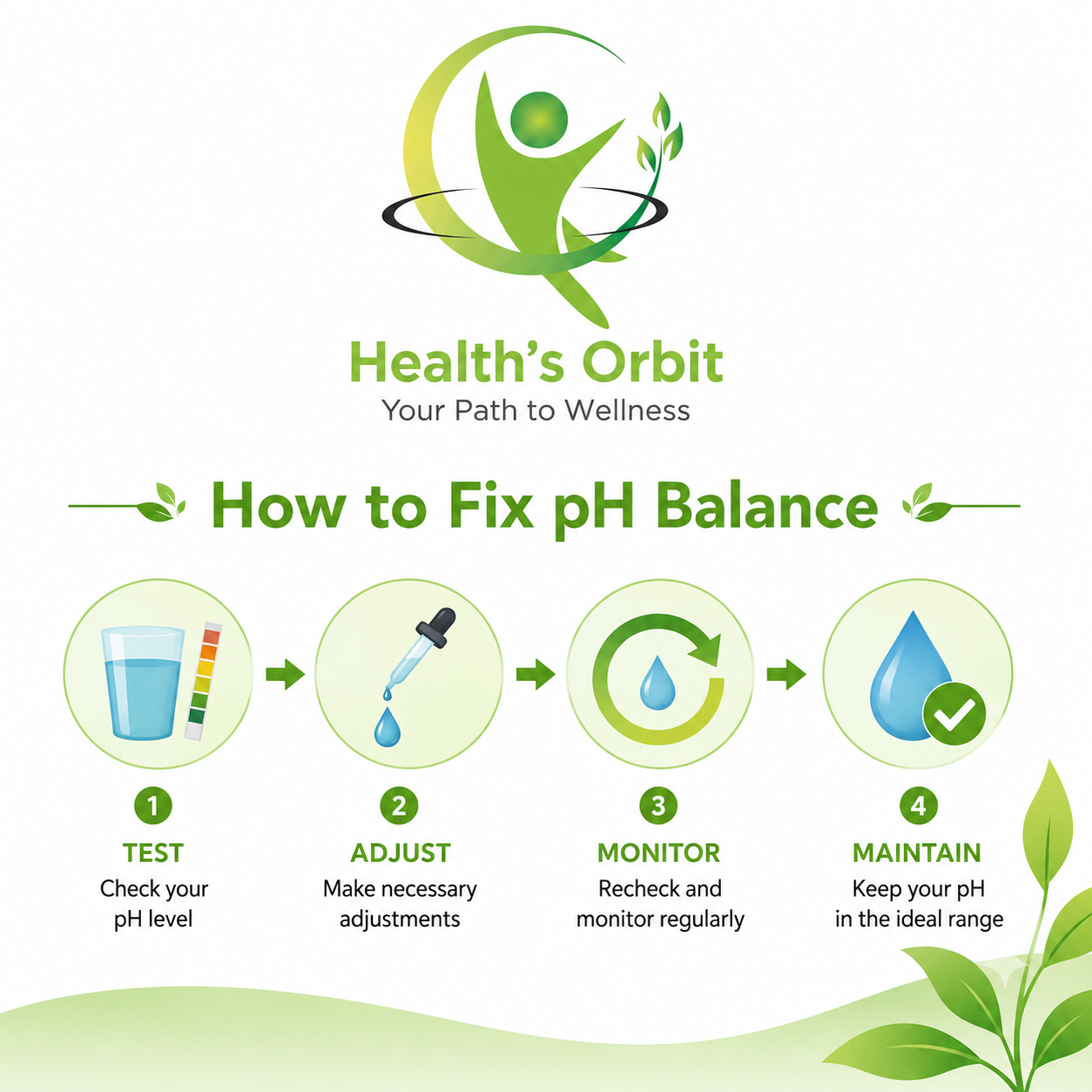
Understanding how to fix pH balance is one of the most practical things you can do for your intimate health. Maintaining a healthy vaginal microbiome is not complicated, but it does require consistent habits and the right information. The good news is that both natural home remedies and over-the-counter options can help restore vaginal pH naturally, safely, and effectively.
Normal Vaginal pH Range
A healthy vaginal pH sits between 3.8 and 4.5 on the pH scale, which runs from 0 (most acidic) to 14 (most alkaline). This slightly acidic environment is not accidental , it is maintained by good bacteria called Lactobacillus, which produce lactic acid and hydrogen peroxide to block harmful germs from taking hold.
When pH rises above 4.5, the vagina becomes less acidic, creating conditions where harmful bacteria and yeast can multiply more easily.
| pH Level | What It Means |
| 3.8 – 4.5 | Healthy, normal range |
| Above 4.5 | Higher infection risk (BV, yeast) |
| 7.0+ | Highly alkaline , likely needs medical attention |
Note: pH slightly above 4.5 can be normal just before your period or after menopause due to hormonal shifts.
Signs Your pH Balance Is Off
Recognizing vaginal pH imbalance symptoms early can prevent a minor disruption from turning into a full-blown infection. Your body usually sends clear signals when vaginal pH is disturbed. Watch for these common signs:
- A strong, fishy or musty odor from the vagina
- Vaginal discharge that appears gray, green, foamy, or clumpy
- Itching, burning, or swelling around the vulva
- Pain or discomfort during urination or intercourse
- Unusual dryness or increased sensitivity in the vaginal area
These symptoms often overlap with bacterial vaginosis (BV), yeast infections, or trichomoniasis , all conditions directly linked to a disrupted acidic vaginal environment. If you notice more than one of these signs together, it is worth acting promptly.
What Causes Vaginal pH Imbalance?
Several everyday factors can disturb vaginal pH and compromise vaginal microbiome health. Knowing the triggers helps you prevent imbalance from happening in the first place.
Infections like BV, yeast infections, and trichomoniasis are the most common culprits. They both cause and result from an altered pH environment, creating a cycle that is hard to break without intervention.
Antibiotics are a double-edged sword , while they eliminate harmful bacteria, they also wipe out the good Lactobacillus bacteria your vagina depends on to maintain its naturally acidic environment. This is why a bacterial vaginosis natural treatment often includes probiotics alongside or after antibiotic use.
Hormonal changes during pregnancy, menstruation, and menopause can naturally raise vaginal pH. Birth control pills may also contribute to these shifts by altering estrogen levels.
Sexual activity introduces external fluids into the vaginal environment. Semen is naturally alkaline, which can temporarily raise pH. Lubricants, condoms, and unclean sex toys can also introduce bacteria that disrupt the vaginal flora.
Douching and scented products strip away the natural protective flora. Washing inside the vagina with soap, sprays, or scented wipes does more harm than good and is one of the leading preventable causes of how to balance vaginal pH going wrong.
8 Natural Remedies to Restore pH Balance
Learning how to fix pH balance does not always require a prescription. These evidence-backed vaginal pH home remedies can help your body rebalance itself, and most are available without a doctor’s visit.
1. Use Boric Acid Suppositories
Boric acid has been used to treat vaginal infections for over a century and remains one of the most effective options for boric acid for BV and recurring yeast infections. It works by directly restoring acidity in the vaginal canal. Typical use is one suppository (600 mg) inserted vaginally at bedtime for 7–14 days. Always consult a healthcare provider before use, and never take boric acid orally , it is only safe for vaginal use.
2. Take Probiotics Daily
Probiotics for vaginal health replenish Lactobacillus bacteria, which are the cornerstone of a balanced, acidic vaginal environment. You can take them orally as supplements or eat probiotic-rich foods such as yogurt, kefir, kimchi, and sauerkraut. For vaginal-specific benefits, look for supplements containing Lactobacillus rhamnosus or Lactobacillus reuteri strains , these have the strongest research backing for intimate health.
3. Add Garlic to Your Routine
Garlic contains allicin, a compound with natural antibacterial properties that supports vaginal microbiome health. A small clinical study found that garlic tablets taken twice daily for 7 days were as effective as oral antibiotics for some vaginal infections, with fewer side effects. Note: garlic supplements are not suitable for people on blood thinners.
4. Avoid Douching and Scented Products
This is arguably the single most important habit change for anyone wondering how to maintain intimate pH long-term. Douching disrupts the vaginal microbiome and removes the protective acid barrier your body works hard to maintain. Wash only the external vulva with warm water, and skip scented soaps, sprays, pads, and tampons near the vaginal area.
5. Practice Safe Sex
Since semen has an alkaline pH, frequent unprotected sex can temporarily raise vaginal acidity levels. Using condoms consistently reduces this effect and also prevents the introduction of new bacteria from external sources , a simple but highly effective vaginal pH home remedy that costs nothing extra.
6. Wear Breathable Cotton Underwear
Moisture and heat trapped against the skin create an environment where harmful bacteria thrive and disrupt the acidic vaginal environment. Wearing cotton underwear, changing out of wet or sweaty clothing quickly, and going underwear-free at night can all meaningfully support vaginal microbiome health over time.
7. Manage Stress Levels
A 2018 study linked elevated cortisol (the stress hormone) to an increased risk of bacterial vaginosis. Chronic stress weakens your immune defenses and may indirectly disturb vaginal flora. Exercise, deep breathing, and adequate sleep are all effective ways to keep cortisol in check and support your body’s ability to restore vaginal pH naturally.
8. Quit Smoking and Limit Sugar
Smoking has been associated with disrupted vaginal microbiota and reduced Lactobacillus populations. Similarly, high sugar intake feeds the growth of yeast and unfavorable bacteria. Reducing both significantly supports your body’s natural ability to maintain a healthy pH balance without external intervention.
Recommended Medicines and Brands
When natural approaches are not enough, these over-the-counter and prescription options are widely recommended:
| Treatment Type | Product/Brand | How It Works |
| Boric acid suppository | pH-D Feminine Health, NutraBlast, Love Wellness | Restores vaginal acidity directly |
| Vaginal probiotic | Culturelle Women’s Balance, Rephresh Pro-B, Garden of Life RAW Probiotics Women | Replenishes Lactobacillus strains |
| Vaginal pH gel | RepHresh Vaginal Gel | Maintains pH 3.5–4.5 for up to 3 days |
| Antifungal cream | Monistat 1 or 7 (Miconazole) | Treats yeast-related pH imbalance |
| Antibiotic (Rx) | Metronidazole (Flagyl), Clindamycin | Prescribed for bacterial vaginosis |
| Garlic supplement | Kyolic Aged Garlic Extract, Nature’s Way Garlicin | Supports antimicrobial vaginal health |
Important: Always consult a healthcare professional before starting prescription medications. Over-the-counter products are suitable for mild symptoms only.
Quick Reference Table
| Remedy | Best For | Time to See Results |
| Boric acid suppositories | BV, recurring yeast infection | 7–14 days |
| Probiotics | Ongoing maintenance | 2–4 weeks |
| RepHresh Gel | Immediate pH correction | 1–3 days |
| Antifungal cream | Yeast overgrowth | 1–7 days |
| Antibiotics (Rx) | Confirmed BV | 5–7 days |
| Diet + lifestyle changes | Prevention, long-term balance | 4–8 weeks |
When to See a Doctor

Sometimes your body can fix pH balance on its own , good bacteria fight off the bad and restore the acid environment naturally. But if symptoms last more than a few days or get progressively worse, it is time to seek medical advice.
You should see a gynecologist if you experience:
- Symptoms that persist beyond 3–5 days despite home treatment
- Pain during sex or urination
- Discharge that is green, frothy, or blood-tinged
- Recurring infections (more than 3 times per year)
- Symptoms during pregnancy
Untreated vaginal infections can lead to more serious complications, including pelvic inflammatory disease (PID) and increased vulnerability to sexually transmitted infections. Early treatment keeps the issue manageable and protects long-term reproductive health.
Conclusion
Knowing how to fix pH balance is not just about treating symptoms , it is about understanding your body and giving it the right environment to stay healthy. A vaginal pH between 3.8 and 4.5 is your body’s natural defense system, and everything from your diet and underwear to stress levels and sexual habits can either support or undermine it.
The most effective approach combines small, consistent lifestyle changes , wearing breathable fabrics, avoiding douching, eating probiotic-rich foods, and practicing safe sex , with targeted remedies like boric acid suppositories or vaginal probiotics when imbalance occurs. Brands like RepHresh, pH-D, Rephresh Pro-B, and Culturelle Women’s Balance make it easier than ever to restore vaginal pH naturally at home.
That said, natural vaginal pH home remedies work best for mild, early-stage imbalances. If your vaginal pH imbalance symptoms are persistent, worsening, or recurring frequently, a healthcare provider can identify the root cause and recommend the most appropriate treatment , whether that is a course of Metronidazole for BV or a targeted antifungal for yeast.
Your vaginal microbiome health is a reflection of your overall well-being. Treat it with the same consistency and care you give to any other part of your body, and it will do exactly what it is designed to do , protect itself.
This article is for informational purposes only and does not constitute medical advice. Always consult a qualified healthcare provider for diagnosis and treatment.