

I was skeptical the first time a bowl of fuzzy green pods landed on my table at a Japanese restaurant. Six months later, I eat edamame three or four times a week , and the science behind why it works genuinely surprised me.
So, is edamame good for you? After months of eating it consistently and going deep into the research, my answer is a firm yes , with a few nuances worth knowing. This guide covers everything: its nutrient profile, proven health benefits backed by studies, honest side effects, and practical ways to enjoy it. Whether you’re just discovering edamame or looking for a reason to eat more of it, you’re in the right place.
What Is Edamame?
Edamame is the young, immature form of the soybean harvested before the bean fully ripens and hardens. The word comes from Japanese: eda meaning branch and mame meaning bean. While it has been a staple in East Asian cuisines for centuries, it only made a serious mark in Western diets over the past two decades.
What sets edamame apart from mature soybeans is its vivid green color, softer texture, and slightly sweet, nutty flavor. You’ll find it at the grocery store in two forms: still inside the pod (which you don’t eat) or already shelled. Both are usually sold frozen, and heating them takes just three to five minutes , one of the reasons I kept coming back to it as a daily habit.
Quick Fact,
Edamame is not processed soy. Unlike tofu, soy milk, or soy protein powder, it is a whole, minimally processed food , you get the complete nutritional package that nature intended, with no additives.
Edamame Nutrition Facts , Per 1 Cup (160g Cooked)
Before answering whether edamame is good for you, let’s look at what’s actually in it. All figures come from the USDA FoodData Central database , the gold standard for nutritional data.
| Nutrient | Amount | % Daily Value | Rating |
|---|---|---|---|
| Calories | 224 kcal | ~10% | Moderate |
| Protein | 18.5 g | 37% | Excellent |
| Fiber | 8 g | 29% | High |
| Carbohydrates | 13.8 g | 5% | Low-Glycemic |
| Folate | 115% DV | 115% | Outstanding |
| Copper | 59% DV | 59% | High |
| Vitamin K1 | 38–50% DV | 38–50% | High |
| Magnesium | 25% DV | 25% | Good |
| Iron & Potassium | 20% DV each | 20% | Good |
| Sugars | 3.38 g | — | Very Low |
The folate number genuinely surprised me when I first looked it up. One cup exceeds your entire daily folate requirement , a B vitamin critical for cell division and fetal development. Add over a third of your daily protein from a single plant food, and edamame starts looking like a nutritional overachiever in the best possible way.
Sodium Watch,
Restaurant and pre-packaged edamame is often heavily salted. If you’re managing blood pressure, buy unsalted frozen edamame and season it yourself with a light pinch of sea salt or a squeeze of lemon.
8 Evidence-Based Health Benefits of Edamame
When people ask if edamame is good for you, they want more than a yes , they want to know why, with real evidence. Each benefit below is organized under its own heading with key research points as bullet points, so the science is easy to scan, verify, and copy.
1. Supports Heart Health and Lowers Cholesterol
A 2019 meta-analysis found that consuming 25g of soy protein daily was linked to a 3–4% reduction in LDL cholesterol , a meaningful shift for long-term cardiovascular risk.
Phytosterols in edamame physically block cholesterol absorption in the gut, working independently of the protein content for a dual protective effect.
Antioxidants and Vitamin K1 (38–50% DV per cup) contribute to arterial health and reduced inflammation markers associated with heart disease.
This combination of soy protein, phytosterols, fiber, and antioxidants makes edamame one of the more well-rounded heart-protective foods available as a simple snack.
2. Helps Regulate Blood Sugar
- Low glycemic index edamame causes a slow, gradual rise in blood glucose, unlike refined carbohydrates that cause rapid insulin spikes.
- 8 grams of fiber per cup slows the digestion of all carbohydrates eaten in the same meal, blunting post-meal glucose spikes effectively.
- Peer-reviewed research confirms edamame’s suitability as a food choice for people managing Type 2 diabetes, supporting its use as a snack and meal component.
- The combination of fiber and complete protein extends satiety and reduces the urge to snack on higher-glycemic foods between meals.
3. Delivers Complete Plant Protein
- 18.5g of protein per cup , comparable to many animal-based snacks, but without the saturated fat or dietary cholesterol.
- Edamame is one of the very few plant foods that provides all 9 essential amino acids, qualifying it as a complete protein , a distinction most legumes cannot claim.
- A 2018 study confirmed that soy protein quality is comparable to animal protein for muscle maintenance and repair in both men and women.
- For vegans, vegetarians, or anyone reducing meat intake, this makes edamame a cornerstone protein source , not just a garnish or side dish.
When I started intermittent fasting, I needed a snack that would carry me through long stretches without spiking blood sugar. A bowl of steamed edamame with sea salt became my go-to. Within two weeks, my mid-afternoon energy crashes almost completely disappeared. The protein kept me full; the fiber kept my digestion steady.
- Personal observation, 6 months of consistent daily use
4. May Ease Menopause Symptoms
- Edamame is rich in isoflavones , phytoestrogens that weakly mimic estrogen and may compensate for declining levels during menopause.
- A 2021 study and 2019 meta-analysis both found that soy isoflavones were associated with a modest but real reduction in hot flash frequency and severity.
- Women who are “equol producers” , those whose gut bacteria can convert isoflavones into a more active compound , tend to experience stronger benefits. This is more common in Asian populations.
- Results vary based on individual gut microbiome composition, so benefits are not universal, but the evidence is genuinely encouraging.
5. May Reduce Cancer Risk
- A 2019 study found that each 10mg daily increase in soy isoflavone intake was associated with a 3% reduced risk of breast cancer , not an increased risk as older fears suggested.
- 2017 and 2016 population studies focusing on Asian populations suggest high soy intake may slightly reduce breast cancer risk overall.
- A 2018 meta-analysis and 2019 study both show soy products are associated with meaningfully reduced prostate cancer risk in men.
- Research also links isoflavones to protective effects against lung cancer, though more controlled studies are still needed before definitive conclusions can be drawn.
6. Supports Bone Health
- A 2021 study and meta-analysis found that regular soy food consumption may lower the risk of osteoporosis in menopausal and postmenopausal women.
- Isoflavones appear to have a beneficial effect on bone formation markers , particularly valuable for women whose bone density drops sharply after menopause.
- Edamame also provides calcium (10% DV) and magnesium (25% DV) per cup , both minerals directly involved in maintaining bone mineral density.
7. Feeds Your Gut and Improves Digestion
- The 8g of soluble fiber per cup acts as a prebiotic, feeding beneficial gut bacteria and supporting a healthy, diverse microbiome.
- Soluble fiber keeps bowel movements regular and reduces constipation. I noticed a real difference within the first two weeks of eating edamame daily.
- A well-nourished gut microbiome is increasingly linked to better immune function, improved mood regulation, and stronger metabolic health outcomes.
8. Outstanding Nutrition for Pregnancy
- 115% of the daily folate requirement per cup , folate is the single most critical nutrient for fetal neural tube formation, especially in the first trimester.
- Also delivers iron (20% DV) , vital for preventing the anemia that commonly affects pregnant women due to increased blood volume demands.
- Complete protein supports fetal tissue development without the food safety concerns of undercooked meat or the mercury risks associated with certain fish.
- One cup of edamame ticks multiple prenatal nutrition boxes simultaneously , it’s one of the most efficient snacks for pregnancy nutrition.
Edamame vs. Other Protein Snacks , Comparison
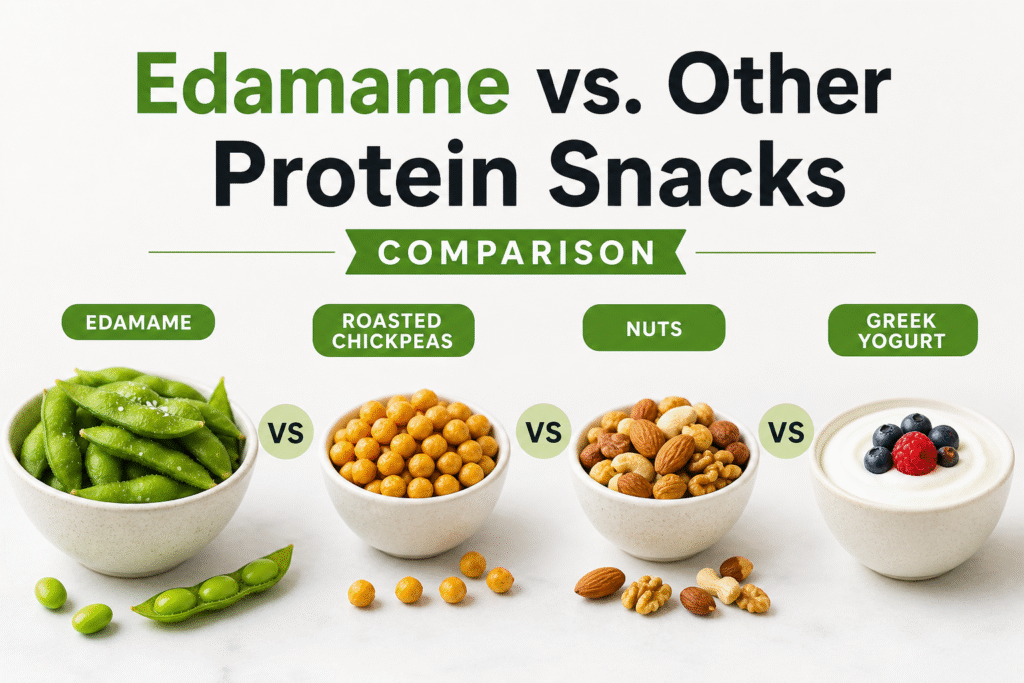
To fully answer is edamame good for you relative to your alternatives, here’s how it compares to other popular protein options. All servings are standardized to roughly 160g for a fair comparison:
| Snack | Calories | Protein | Fiber |
| Edamame | 224 | 18.5g | 8g |
| Roasted Chickpeas | 269 | 14g | 8g |
| Greek Yogurt | 130 | 17g | 0g |
| Hard-Boiled Eggs | 234 | 19g | 0g |
| Cooked Lentils | 183 | 14g | 10g |
| Almonds | ~280 | 10g | 4g |
✅ Key Takeaway
Edamame is the only option in this table that is simultaneously a complete protein, high-fiber, low-glycemic, and fully plant-based , making it uniquely suitable across a wide range of dietary goals, from weight loss to diabetes management to vegan eating.
Side Effects and Who Should Be Careful
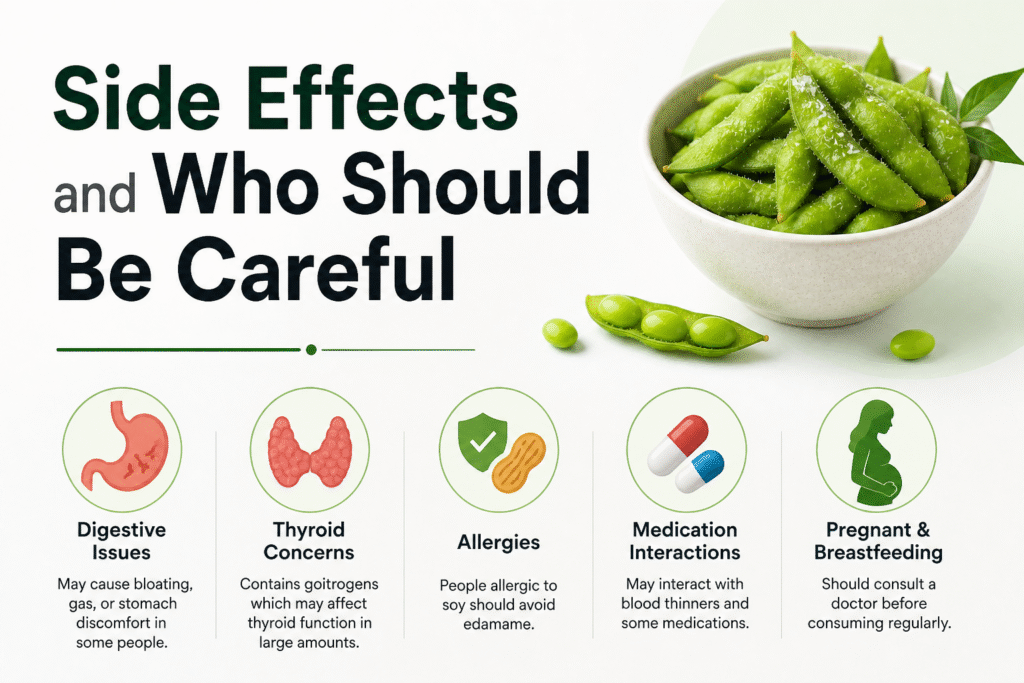
The honest answer is that edamame is good for you, including knowing when caution applies. For most healthy adults it is extremely safe, but here are four situations where you should pay attention:
Soy Allergy
Soy is one of the eight major food allergens recognized by the FDA. Edamame is a whole soybean , completely off-limits if you have a soy allergy.
Symptoms range from mild (hives, digestive upset) to severe anaphylaxis. There are no exceptions or workarounds here.
Thyroid Medication Timing
- Research on soy and thyroid function is mixed. High soy intake may interfere with the absorption of levothyroxine, a common thyroid medication.
- Practical guidance from dietitians: avoid eating edamame within two hours of taking thyroid medication. You don’t need to eliminate it entirely.
- If you have any thyroid condition, a brief conversation with your doctor before eating edamame daily is a smart precaution.
Digestive Sensitivity
- Edamame contains oligosaccharides , complex carbohydrates that some people struggle to digest , which can cause temporary gas and bloating.
- I experienced this personally in the first week of eating it daily. The fix: start with a quarter cup and build up gradually over 7–10 days as your gut adapts.
Existing Hormone-Sensitive Cancer Diagnosis
- If you currently have hormone-sensitive cancer, consult your oncologist before making edamame a regular part of your diet. Most oncologists consider it safe or even protective, but your care team should make that call for your specific situation.
⚠️ Medical Disclaimer
This article is for informational purposes only and does not replace advice from a doctor or registered dietitian. Always consult a healthcare professional for personal medical decisions.
How I Actually Eat Edamame Every Week
Most articles about edamame being good for you skip the practical side entirely. Here’s how I’ve made it sustainable and genuinely enjoyable over six months , no complicated recipes, no boredom.
The Classic Salted Pod Snack
Steam or boil frozen pods for 4–5 minutes, drain, and toss with flaky sea salt. I eat these in the evening instead of crisps or crackers. You work for each bean, which naturally slows you down and makes the portion feel more satisfying than its calorie count suggests.
As a Protein Add-In for Bowls and Salads
Shelled edamame tossed cold into a grain bowl with sesame oil, rice vinegar, and cucumber is one of my go-to weekday lunches. It adds protein and texture with zero extra cooking beyond thawing. It replaced my old habit of reaching for cheese or croutons to make salads feel filling.
Blended Into Edamame Hummus
Blend shelled edamame with lemon juice, garlic, olive oil, and a little tahini. The result is creamier and brighter than chickpea hummus, with competitive protein. I batch this every Sunday and use it throughout the week as a dip for vegetables or a spread on rice crackers.
Quick Cooking Reference
| Method | Time | Best For |
| Boiling | 4–5 min | Classic pod snack |
| Steaming | 5–6 min | Salads, grain bowls |
| Microwaving | 2–3 min | Quick weeknight meals |
| Pan-frying | 5–7 min | Stir-fries, fried rice |
Storage Tip
Frozen edamame keeps for up to 12 months in the freezer. Once cooked, store shelled edamame in an airtight container in the fridge and use within 4 days. The pods are fibrous and indigestible, only eating the beans inside.
Final Verdict: Is Edamame Really Good for You?
After six months of eating it consistently and going through the research carefully, my answer is a clear yes , edamame is good for you in a way that few other snacks genuinely are. It delivers complete plant protein, over a day’s worth of folate, heart-healthy fiber, blood sugar stability, and a meaningful body of evidence linking it to reduced cancer risk and better hormonal health across the lifespan.
It’s not magic. It won’t reverse existing conditions by itself, and it’s not the right choice for people with soy allergies or certain thyroid conditions. But for the vast majority of healthy adults, edamame earns its reputation as one of the most nutritious, versatile, and genuinely satisfying snacks you can add to your regular diet.
I started eating edamame out of curiosity. I kept eating it because the evidence , and my own daily experience , gave me every reason to.
Frequently Asked Questions
These are the questions I searched most when I started eating edamame regularly. Answers are kept concise and direct written to rank as featured snippets on Google.
Is edamame good for weight loss?
Yes. Edamame supports weight loss because it is relatively low in calories (224 per cup), high in protein (18.5g), and rich in fiber (8g) , a combination proven to increase fullness and reduce total daily calorie intake. Its low glycemic index also prevents the blood sugar spikes that trigger hunger between meals. Replacing processed snacks with edamame creates a consistent calorie deficit without leaving you feeling deprived or unsatisfied.
Can I eat edamame every day?
Yes. For most healthy adults, eating edamame daily is safe and nutritionally beneficial. Research has found no harmful effects from regular soy consumption in healthy individuals. A standard daily serving is half a cup to one cup cooked. People with a soy allergy, thyroid conditions, or hormone-sensitive cancer diagnoses should consult their doctor before making it a daily habit.
Does edamame raise estrogen levels in the body?
No. Edamame contains phytoestrogens called isoflavones that can weakly bind to estrogen receptors, but they do not raise actual estrogen levels in the bloodstream. Their binding effect is far weaker than real estrogen. Current research in both men and women shows no significant hormonal disruption from regular dietary amounts of edamame or soy foods.
Is edamame safe to eat during pregnancy?
Yes, edamame is considered safe and genuinely beneficial during pregnancy. One cup provides over 115% of the daily folate requirement , the nutrient most critical for fetal neural tube formation, especially in the first trimester. It also supplies iron, complete protein, and calcium that support both maternal health and fetal development. Always discuss significant dietary changes with your OB-GYN or midwife.
Is edamame good for people with diabetes?
Yes. Edamame is one of the best snack options for people with Type 2 diabetes. It has a very low glycemic index, causing only a minimal and gradual rise in blood sugar after eating. The 8g of fiber and 18.5g of protein per cup further slow glucose absorption and improve post-meal blood sugar control. Multiple peer-reviewed studies confirm its suitability as a diabetic-friendly food for both snacking and adding to meals.
Disclaimer
This article is written for informational and educational purposes only, based on published scientific research and personal experience. It does not constitute medical advice. Always consult a qualified healthcare professional before making dietary changes, especially if you have a medical condition, allergy, or are pregnant. The author is not a registered dietitian or medical doctor.