

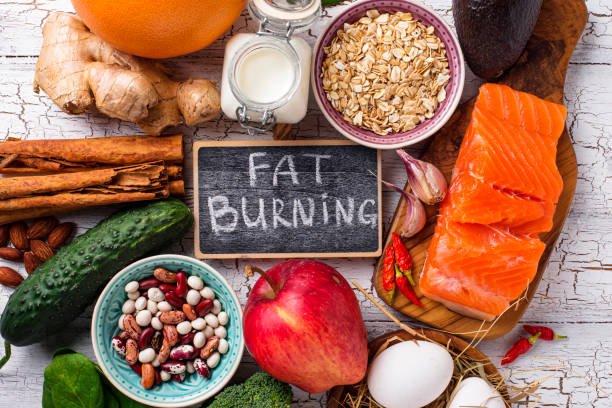
Fat-burning properties refer to the ability of certain foods and compounds to increase metabolism, enhance calorie burn, and support fat loss. They work best when combined with a proper diet and lifestyle no single food melts fat alone.
What Are Fat-Burning Properties?
Not all calories behave the same way inside your body. Some foods do more than just fuel you; they actively push your metabolism to work harder. That’s what fat-burning properties mean in nutrition science.
A food earns this label when it triggers thermogenesis (heat production in the body), improves fat oxidation, balances hunger hormones, or increases energy expenditure. Foods rich in protein, fiber, and certain plant compounds are the strongest examples.
Think of it this way: your body burns calories digesting food. Some foods demand far more energy to break down than others. That extra burn adds up over time, and when paired with a smart diet, it creates real results.
How Fat-Burning Properties Work in the Body
Your metabolism is the engine. Fat-burning foods are the fuel that makes it run hotter.
Here’s what happens at the biological level:
Thermogenesis is your body producing heat to digest and process food. Protein, for example, requires 20–30% of its own calories just to be digested far more than carbs (5–10%) or fats (0–3%).This process is known as the Thermic Effect of Food (TEF).
Hormone regulation matters just as much. Certain foods lower insulin spikes, which keeps your body in fat-burning mode longer. Others boost leptin sensitivity, which controls hunger. When hormones are balanced, fat storage slows and fat release speeds up.
Energy partitioning is the final piece. When you eat thermogenic foods consistently, your body learns to pull more energy from stored fat rather than from circulating glucose. Over weeks, this shift becomes noticeable on the scale and in your energy levels.
Top Foods With Fat-Burning Properties
These are not miracle foods. They are scientifically backed, practical choices that support fat loss when consumed regularly.
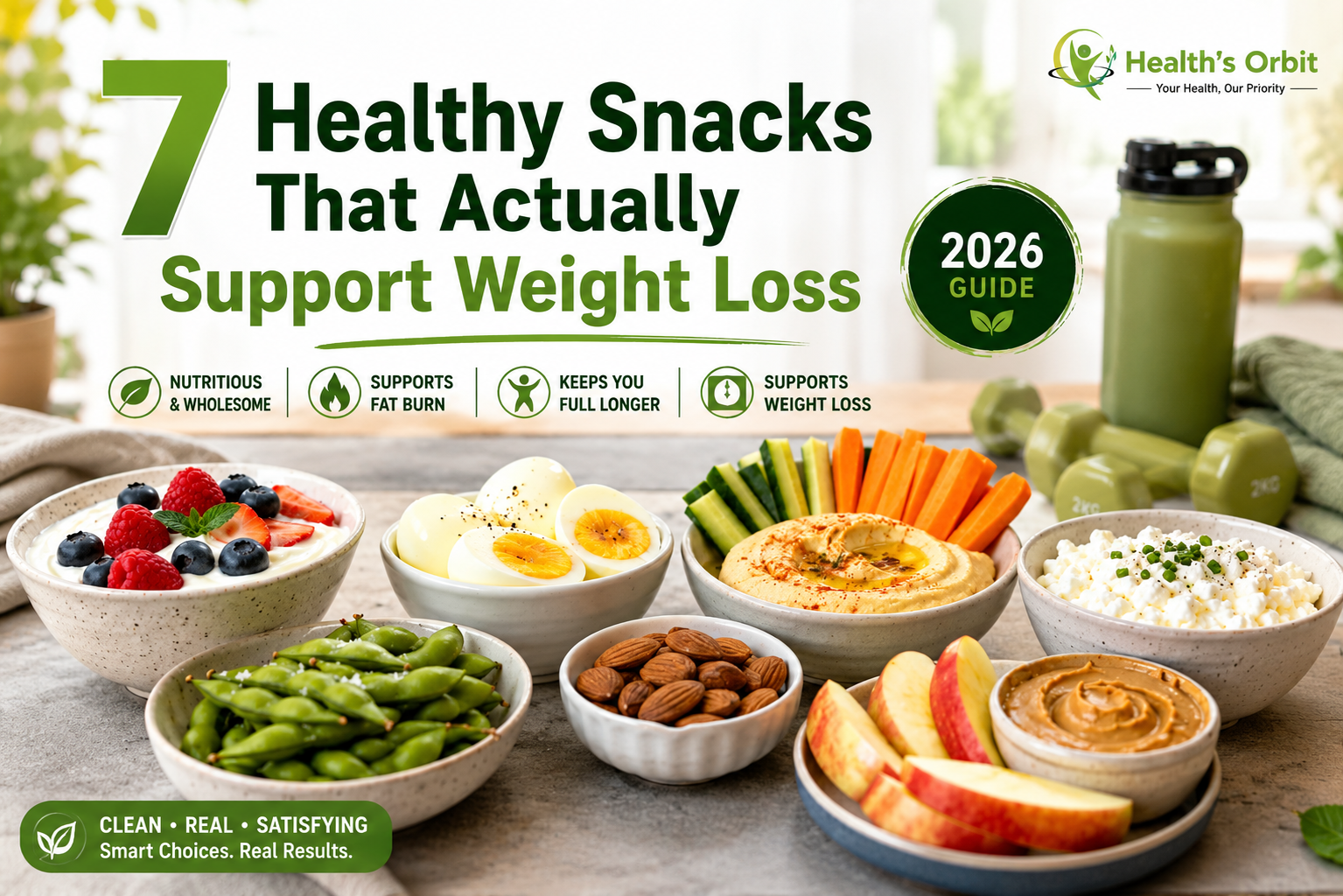
Protein Foods: Chicken breast, eggs, Greek yogurt, and legumes are the champions here. High protein intake keeps you full, preserves lean muscle during fat loss, and drives the highest TEF of any macronutrient.
Fiber-Rich Foods: Oats, lentils, broccoli, chia seeds, and berries slow digestion and stabilize blood sugar. Stable blood sugar means fewer fat-storing insulin spikes. Fiber also feeds gut bacteria linked to healthy weight regulation.
Thermogenic Foods: Chili peppers contain capsaicin, a compound shown to raise body temperature and increase calorie burn for up to 30 minutes after eating. Ginger and black pepper work similarly, activating receptors that stimulate fat breakdown.
Healthy fats: Avocados, almonds, and olive oil don’t make you fat; they help regulate the hormones that control fat storage. Medium-chain triglycerides (MCTs) found in coconut oil are rapidly converted to energy rather than stored.
Best Drinks That Burn Fat Naturally
- Green Tea contains EGCG (epigallocatechin gallate), an antioxidant that boosts fat oxidation, especially during exercise. Research published through the National Institutes of Health confirms green tea extract meaningfully increases calorie expenditure.
- Black Coffee is one of the most studied natural fat-burning compounds available. Caffeine stimulates the nervous system and signals fat cells to release fatty acids into the bloodstream. Two cups before a workout can noticeably improve fat-burning performance.
- Lemon Water on its own doesn’t burn fat, but it supports digestion, keeps you hydrated and can replace sugary drinks reducing overall calorie intake without effort.
Fat-Burning Properties vs. Calorie Deficit
Here’s where most people get confused and it’s worth being completely direct.
No food burns fat on its own. Fat-burning properties amplify a calorie deficit; they don’t replace one.
If you eat 3,500 calories of green tea and chili pepper, you will not lose weight. But if you eat 300–500 calories below your maintenance level and fill that diet with high-protein, thermogenic, fiber-rich foods, fat loss accelerates meaningfully.
Think of fat-burning foods as tools that make your calorie deficit easier to maintain and your metabolism more efficient, not shortcuts around the fundamental rule of energy balance.
Table 1: Fat-Burning Foods Comparison
| Food | Key Compound | Effect | Best Time to Consume |
| Chili Pepper | Capsaicin | Raises thermogenesis | Lunch or dinner |
| Green Tea | EGCG | Boosts fat oxidation | Morning or pre-workout |
| Eggs | Complete protein | High TEF, preserves muscle | Breakfast |
| Oats | Beta-glucan fiber | Stabilizes blood sugar | Morning |
| Greek Yogurt | Protein + probiotics | Gut health + satiety | Snack or breakfast |
| Avocado | Healthy fats + fiber | Hormone balance | Any meal |
| Black Coffee | Caffeine | Stimulates fat cell release | Pre-workout |
| Ginger | Gingerols | Anti-inflammatory + thermogenic | Morning or with meals |
| Almonds | MCTs + protein | Sustained energy | Mid-morning snack |
| Lentils | Fiber + plant protein | Slow digestion, high TEF | Lunch or dinner |
How to Use Fat-Burning Foods Effectively
Knowing which foods work is only half the equation.How you apply these choices is what truly drives your progress.
Timing matters. Eat protein at every meal to keep TEF working all day. Have green tea or black coffee 30–45 minutes before exercise for maximum fat oxidation during your workout.
Pair foods strategically. Combine protein with fiber at each meal this pairing slows digestion, keeps hunger controlled, and prevents blood sugar spikes that trigger fat storage.
Build daily habits around them. Replace processed snacks with almonds or Greek yogurt. Swap sugary drinks for green tea or lemon water. These small shifts compound into significant calorie savings over weeks.
Don’t overdo any single food. Variety ensures you get diverse compounds capsaicin, EGCG, gingerols, fiber and complete proteins all working together.
Benefits of Fat-Burning Properties
When you consistently include these foods, the benefits extend well beyond weight loss:
- Increased resting metabolism: More calories burned even at rest
- Sustained energy: No afternoon crashes from blood sugar spikes
- Improved fat oxidation: Your body becomes better at using fat as fuel
- Reduced hunger: Protein and fiber naturally suppress appetite
- Better body composition: More muscle, less stored fat
Common Mistakes to Avoid
Overexpectation is the biggest trap. People eat a handful of almonds and expect the scale to drop by morning. Fat-burning foods are not magic, they are multipliers. If your overall diet is poor, no thermogenic compound will override it.
Ignoring total calories while loading up on “healthy” fat-burning foods can stall progress. Almonds and avocados are nutrient-dense, but they are also calorie-dense. Portions matter.
Inconsistency kills results. Eating chili and green tea twice a week while maintaining poor daily habits does nothing. Fat-burning properties work through daily, consistent exposure.
Table 2: Simple Daily Fat-Burning Routine
| Time | Action | Why It Works |
|---|---|---|
| Morning (7 AM) | Lemon water + black coffee | Activates metabolism, boosts fat oxidation |
| Breakfast (8 AM) | Eggs + oats + berries | High TEF protein, stable blood sugar |
| Mid-Morning (10:30 AM) | Handful of almonds | Sustains energy, prevents overeating at lunch |
| Lunch (1 PM) | Grilled chicken + lentils + broccoli | Protein + fiber combo for satiety |
| Pre-Workout (4 PM) | Black coffee or green tea | Maximizes fat oxidation during exercise |
| Dinner (7 PM) | Salmon or Greek yogurt + vegetables | Omega-3s + protein to support overnight recovery |
| Evening (9 PM) | Ginger tea | Anti-inflammatory, supports digestion |
Are Fat-Burning Foods Scientifically Proven?
Yes, with important caveats. Research from the National Institutes of Health confirms that capsaicin increases energy expenditure and fat oxidation in controlled trials. Studies also validate caffeine’s role in mobilizing fatty acids and improving workout performance. The Mayo Clinic acknowledges that high-protein diets significantly increase TEF and support weight management.
However, most studies show modest effects — typically a 50–100 calorie increase per day from thermogenic foods alone. That’s meaningful over months, but it won’t compensate for a high-calorie, low-activity lifestyle.
The science is clear: fat-burning properties are real, measurable, and worth leveraging as part of a complete fat-loss strategy, not as a replacement for one.
For more on exercise’s role in fat loss, explore our guide on fat loss workouts. To understand how protein drives results, read our deep dive on high-protein diets.
FAQS
Do fat-burning foods really work?
Yes, but modestly. They boost metabolism and support fat oxidation. They work best as part of a calorie-controlled diet, not as standalone solutions.
What is the best fat-burning food?
Eggs and lean protein rank highest because of their exceptional thermic effect, muscle-preserving ability and satiety power.
Can drinks help burn fat?
Green tea and black coffee are the most evidence-backed options. They increase fat oxidation and calorie burn, especially when consumed before exercise.
Are supplements necessary?
No. Whole foods with natural fat-burning properties deliver similar benefits without the cost or risk of unregulated supplements.
How fast do results appear?
With consistent diet and exercise, most people notice measurable fat loss within 4–8 weeks. Fat-burning foods accelerate progress; they don’t create overnight results.