

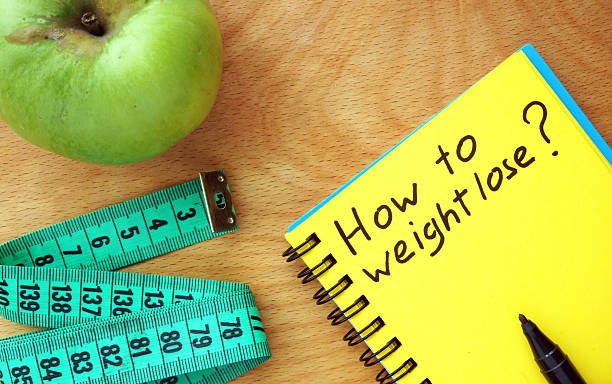
Searching for how to lose 10 pounds in a week is one of the most common weight-loss queries on the internet and it’s easy to understand why. Whether you have a wedding, a reunion or simply a renewed motivation to change your health, the desire for fast results is completely human. However, before diving into strategies, it’s important to be upfront: losing 10 full pounds of body fat in seven days is not physiologically possible for most people, and attempting extreme methods to do so can be genuinely dangerous.
That said, learning how to lose 10 pounds in a week in terms of total scale weight — including water weight, glycogen and some early fat loss is a goal many people achieve through disciplined, evidence-based habits. This article explains exactly what is realistic, what the science says and how to make meaningful, lasting progress starting right now.
What the Science Says About Rapid Weight Loss
To lose one pound of pure fat, you need to burn approximately 3,500 calories more than you consume. Over seven days, that means a 3,500-calorie-per-day deficit to lose just one pound per day, an amount that is neither safe nor sustainable for the average person. Most health professionals recommend losing one to two pounds of fat per week as a safe and effective rate.
However, rapid reductions in scale weight are possible and real. When you significantly reduce carbohydrate intake, your body depletes glycogen stores in the muscles and liver. Glycogen naturally binds to water, maintaining a ratio where each gram of stored energy is accompanied by about three grams of fluid. This means that in the first week of a low-carb or calorie-restricted diet, people can legitimately drop five to ten pounds primarily as water weight alongside early fat loss. This is what most people experience when they commit fully to a structured plan.
How to Lose 10 Pounds in a Week: Strategies That Make a Real Difference
Reduce Sodium and Refined Carbohydrates
One of the fastest ways to see the scale move is by cutting sodium and refined carbs simultaneously. Both cause the body to retain excess water. Replacing white bread, pasta and packaged snacks with vegetables, lean proteins and whole foods can produce noticeable results within 48 to 72 hours. This approach also stabilizes blood sugar, which reduces hunger and prevents overeating.
Create a Meaningful Caloric Deficit
A daily deficit of 750 to 1,000 calories, achieved through a combination of eating less and moving more, is widely considered the upper limit of what is safe and effective. Over a week, this produces approximately one and a half to two pounds of actual fat loss. Combined with water weight reduction, total scale weight can drop significantly. Tracking meals using an app like MyFitnessPal adds accountability and precision.
Prioritize Protein at Every Meal
Protein is the most satiating macronutrient. Eating 25 to 35 percent of your daily calories from protein think eggs, chicken, Greek yogurt, legumes and fish helps preserve lean muscle mass during a deficit, keeps hunger at bay, and supports a higher metabolic rate. Research consistently shows that high-protein diets lead to greater fat loss compared to lower-protein approaches at the same calorie intake.
Incorporate Daily Movement and Strength Training
Exercise alone rarely produces dramatic weight loss in a week, but it meaningfully amplifies results from dietary changes. A combination of cardiovascular exercise brisk walking, cycling, or swimming and two to three strength training sessions accelerates calorie burn, improves insulin sensitivity and helps the body mobilize stored fat more efficiently. Even 30 to 45 minutes of intentional movement daily adds up considerably over seven days.
Optimize Sleep and Manage Stress
Poor sleep and chronic stress both elevate cortisol, a hormone that promotes fat storage and increases carbohydrate cravings. Getting seven to nine hours of quality sleep per night and managing stress through mindfulness, journaling or light outdoor activity supports every other weight-loss strategy you implement.
Week-One Weight Loss: Realistic Expectations at a Glance
| Strategy | Estimated Weekly Impact |
| Low-carb diet (water + glycogen loss) | 3–6 lbs |
| 750–1,000 calorie daily deficit | 1.5–2 lbs fat loss |
| Reduced sodium intake | 1–3 lbs water reduction |
| Daily exercise (cardio + strength) | 0.5–1 lb additional fat |
| Combined approach (all strategies) | 5–10 lbs total scale weight |
Conclusion
If you’re committed to figuring out how to lose 10 pounds in a week, the most important step is approaching it with both ambition and honesty. Dramatic scale changes in seven days are real but they reflect water, glycogen, and early fat loss, not a full ten pounds of pure body fat. By reducing refined carbohydrates, creating a moderate caloric deficit, prioritizing protein, exercising daily and sleeping well, you give yourself every advantage for a strong first week. The habits you build in week one also compound over time, making them the most valuable investment in your long-term health.
FAQS
Q.1 Is it actually safe to try to lose 10 pounds in a week?
Losing 10 pounds of pure fat in one week is not safe or realistic. However, a combination of water weight and fat loss totaling five to ten pounds is achievable with the right approach.
Q.2 Why do people lose so much weight in the first week of dieting?
The rapid drop is largely due to water weight loss as glycogen stores deplete. Each gram of stored glycogen holds about three grams of water, so early results can be dramatic.
Q.3 What is the fastest healthy way to lose weight?
A combination of a moderate caloric deficit, high protein intake, reduced sodium and carbohydrates, daily exercise and quality sleep produces the fastest results without compromising health.
Q.4 Will I regain the weight after the first week?
Water weight can return if you resume previous eating habits. Sustained fat loss requires maintaining a consistent caloric deficit and healthy lifestyle beyond the first week.
Q.5 How many calories should I eat to lose weight quickly but safely?
Most adults can safely eat between 1,200 and 1,500 calories per day (women) or 1,500 to 1,800 (men) during a weight-loss phase, depending on size and activity level. Consult a doctor before going lower.